
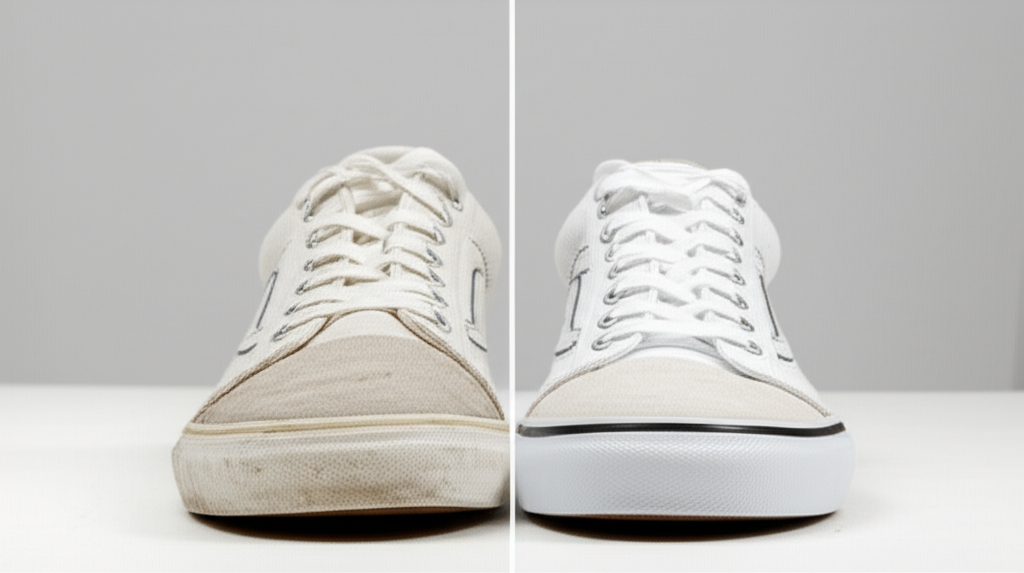
Yes, shoe cleaners absolutely work, delivering amazing results! With the right products and techniques, you can restore your favorite shoes to near-new condition, tackling tough stains and everyday grime for footwear that looks and feels fresh.
Key Takeaways
- Restore shoes with specialized cleaners.
- Protect materials with appropriate solutions.
- Prevent stains with regular maintenance.
- Extend shoe lifespan significantly.
- Achieve professional-looking results at home.
- Boost confidence with clean, stylish footwear.
Do Shoe Cleaners Work? Amazing Results!
Are your favorite sneakers looking a little worse for wear? Do your leather boots have scuffs that just won’t budge? You might be wondering if those dedicated shoe cleaners you see online and in stores actually live up to the hype. It’s a common question, especially when dealing with stubborn dirt, grass stains, or mysterious marks on delicate materials. The good news is, they do! When used correctly, shoe cleaners can work wonders, bringing back the original glory of your footwear. We’re here to guide you through the process, showing you how to achieve those amazing results and keep your shoes looking their best.
Understanding Shoe Materials: The Key to Effective Cleaning
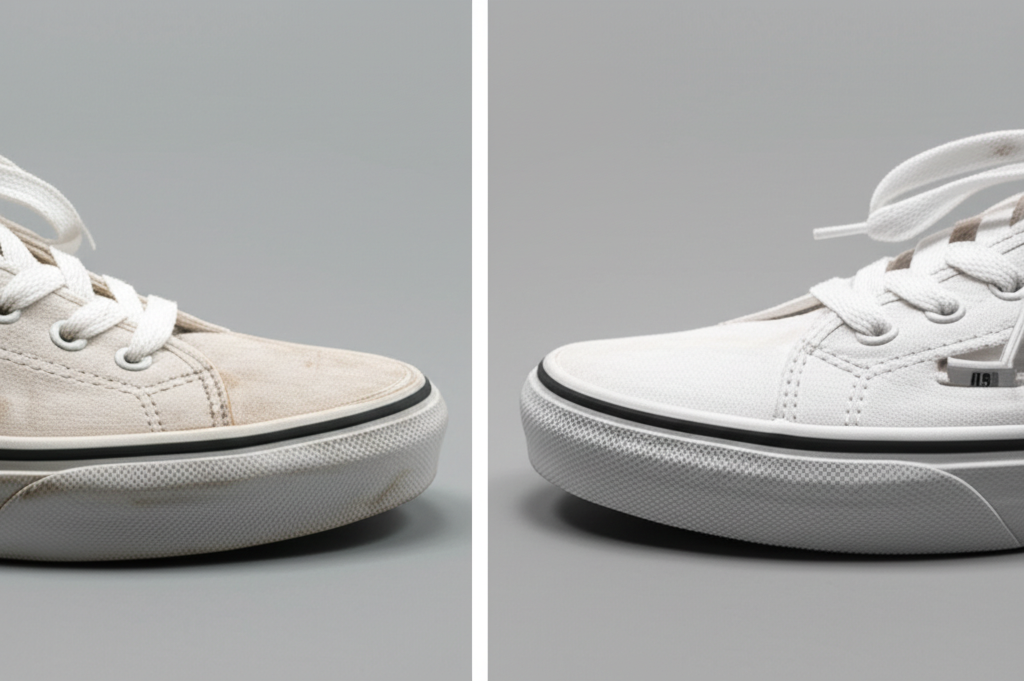
Before we dive into the “how,” let’s talk about the “why” behind effective shoe cleaning. Different materials require different care. What works for a canvas sneaker might damage suede or leather. Understanding the basics of your shoe’s construction is crucial for choosing the right cleaner and method. This knowledge helps prevent damage and ensures you get the best possible outcome. Let’s break down some common materials:
Canvas and Mesh Sneakers
These are often the easiest to clean. The woven nature of canvas and mesh allows for good absorption of cleaning solutions. However, they can also be prone to staining if not treated promptly. The porous structure means dirt can get embedded deep within the fibers. Regular washing and immediate stain treatment are key for these materials.
Leather Shoes (Smooth and Full-Grain)
Leather is a natural material that needs conditioning as much as cleaning. Harsh chemicals can strip natural oils, leading to cracking and premature aging. Gentle cleaners and dedicated leather conditioners are essential. The smooth surface makes wiping away dirt relatively easy, but deep scratches or ingrained dirt require more specific treatments.
Suede and Nubuck
These are the most delicate materials. Suede has a soft, napped surface, while nubuck is similar but has a finer grain. They are highly susceptible to water stains and dirt. Special brushes and cleaning blocks are often needed, and liquid cleaners must be used with extreme caution, if at all. Prevention is often better than cure with these materials.
Synthetic Materials (Plastic, Rubber, Vinyl)
Many athletic shoes feature synthetic overlays, midsoles, and outsoles made from materials like polyurethane, EVA foam, or rubber. These are generally durable and easier to clean than natural materials. Mild soap and water or specialized sneaker cleaners usually do the trick for these components.
The Science Behind Shoe Cleaners: How Do They Work?
Shoe cleaners are formulated with specific ingredients to tackle dirt, grime, and stains without damaging the shoe material. They typically contain a combination of surfactants, solvents, and sometimes enzymes or mild bleaching agents. Here’s a simplified look at how they function:
- Surfactants: These are soap-like molecules that help lift dirt and oil from the shoe’s surface. They break down the surface tension of water, allowing it to penetrate and lift away contaminants.
- Solvents: Certain cleaners may include mild solvents to help dissolve tougher stains like grease or ink. These are carefully chosen to be effective on the stain but gentle on the shoe material.
- Enzymes: Some advanced cleaners use enzymes to break down organic stains, such as grass or food spills, at a molecular level.
- pH Balancers: Maintaining the correct pH level is crucial. Cleaners are often pH-neutral or slightly alkaline to avoid damaging delicate materials like leather or suede.
The effectiveness of a shoe cleaner also depends on the formulation’s compatibility with the specific shoe material. A universal cleaner might work for general dirt, but specialized cleaners offer targeted solutions for different fabrics and finishes.
Do Shoe Cleaners Work? Yes, Especially with the Right Approach!
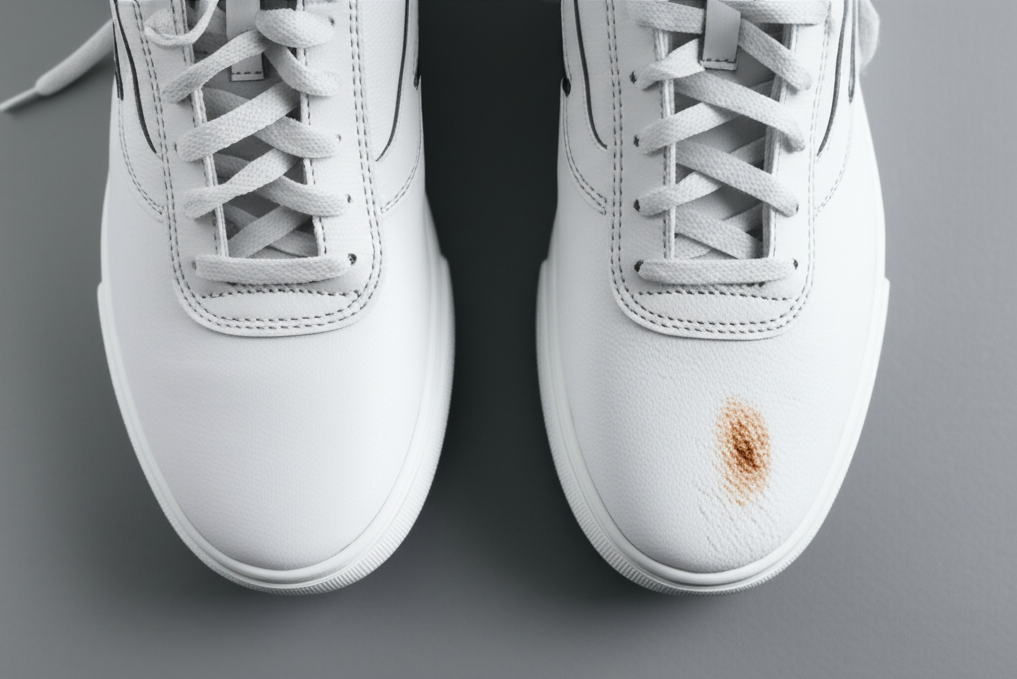
The short answer is a resounding yes! Shoe cleaners are designed to work, and when you select the right product for your shoe type and follow proper cleaning steps, you can achieve truly amazing results. The “magic” happens when the cleaner’s active ingredients break down and lift away the dirt and stains, allowing them to be wiped or rinsed away. However, success isn’t just about the cleaner; it’s about the technique.
Consider this: Would you use dish soap to wash your car? Probably not, because it’s designed for a different purpose and might strip the wax. The same principle applies to shoe care. Using a cleaner specifically formulated for sneakers on leather shoes, or a harsh scrub on delicate suede, will likely lead to disappointment or damage, not amazing results.
Essential Shoe Cleaning Tools for Beginners
To get started, you don’t need a professional shoe-cleaning setup. A few basic tools will set you up for success. Having these on hand will make the cleaning process smoother and more effective, leading to those impressive transformations you’re hoping for.
| Tool | Purpose | Best For |
|---|---|---|
| Soft Bristle Brush | Gently scrubbing away dirt and applying cleaner. | Canvas, mesh, leather, synthetics. |
| Stiff Bristle Brush (or Shoe Brush) | Tackling tougher grime on durable soles and midsoles. | Rubber soles, midsoles, heavily soiled areas. |
| Microfiber Cloths | Wiping away excess cleaner, dirt, and drying. | All shoe types; gentle on all materials. |
| Shoe Cleaning Solution/Kit | The primary cleaning agent. | Specific to material (e.g., sneaker cleaner, leather cleaner). |
| Suede Brush & Eraser | Restoring the nap and removing scuffs on suede/nubuck. | Suede, nubuck. |
| Water Bowl | Dampening brushes and rinsing. | All shoe types. |
| Old Toothbrush | Getting into tight crevices and stitching. | Soles, seams, eyelets. |
| Shoe Trees (Optional) | Maintaining shoe shape during and after cleaning. | All shoe types, especially leather. |
Step-by-Step Guide: Cleaning Different Shoe Types
Now, let’s get practical. Here’s how to use shoe cleaners effectively for common footwear types, leading to those amazing, visible results.
1. Cleaning Canvas and Mesh Sneakers
These are workhorses, and often get the dirtiest. A good cleaning can make a world of difference.
- Preparation: Remove laces. Bang shoes together to dislodge loose dirt and debris. Stuff shoes with paper towels or old rags to help maintain shape and absorb excess moisture.
- Apply Cleaner: Mix a small amount of sneaker cleaner with water in a bowl, or apply a dedicated sneaker cleaner directly to a soft brush. For tough stains, you might apply cleaner directly.
- Scrub Gently: Use the soft bristle brush to work the cleaner into the fabric in circular motions. Pay extra attention to stained areas. For the rubber soles and midsoles, a stiffer brush can be used.
- Wipe and Rinse: Use a damp microfiber cloth to wipe away the foam and dirt. Rinse the cloth frequently. For heavily soiled shoes, you might need to rinse the shoe under cool running water (ensure your cleaner is water-safe for this).
- Clean Laces: Wash laces separately by hand or in a mesh bag in the washing machine.
- Dry: Air dry shoes away from direct heat or sunlight. Never put sneakers in a dryer, as the heat can damage adhesives and materials.
2. Cleaning Smooth Leather Shoes
Leather requires a gentler touch to preserve its natural beauty and durability.
- Preparation: Remove laces. Wipe off surface dirt with a dry cloth.
- Clean: Apply a small amount of leather cleaner to a soft cloth or applicator. Gently wipe down the shoe surface. For scuffs, a specialized leather deglazer might be needed, used sparingly. Avoid soaking the leather.
- Condition: Once the cleaner has dried (check product instructions), apply a good quality leather conditioner using a clean cloth. This replenishes the leather’s natural oils, preventing dryness and cracking. This step is crucial for maintaining the leather’s suppleness and preventing future damage. You can learn more about leather care from resources like the Tread Lightly organization, which emphasizes sustainable care practices.
- Polish (Optional): If desired, apply a matching shoe polish to restore color and add a protective layer. Buff with a clean cloth.
- Dry: Let the shoes air dry completely.
3. Cleaning Suede and Nubuck Shoes
These materials are delicate and require specialized tools and techniques.
- Preparation: Ensure shoes are completely dry. Never try to clean wet suede. Use a suede brush to gently brush away loose dirt and debris, always brushing in the same direction.
- Tackle Dry Stains: For minor dry marks, a suede eraser can be very effective. Gently rub the eraser over the stain.
- Address Wet Stains or Water Marks: For tougher stains or water spots, you may need a specialized suede cleaner. Apply it sparingly according to product instructions, often using a brush or cloth. Work gently to avoid matting the nap. Some recommend a very light mist of water to blend water stains, but this is risky and best avoided by beginners.
- Restore Nap: After cleaning and drying, use the suede brush again to lift and restore the fuzzy nap of the material. Brush in different directions to revive the texture.
- Protection: Always finish by applying a suede protector spray to guard against future stains and water damage. This is a vital step for maintaining suede’s appearance.
Pro Tip: For stubborn stains on suede, like ink or grease, professional cleaning might be the safest bet. While shoe cleaners can work wonders, some damage is permanent and best left to experts.
The “Amazing Results” Factor: Before and After Examples
The true testament to whether shoe cleaners work lies in the visible transformation. Imagine:
- White sneakers that were once greyed with dirt, now gleaming white.
- Leather boots with scuff marks that have vanished, revealing smooth, rich leather.
- Suede loafers that looked dull and dingy, now with a plush, revived texture.
These transformations aren’t magic; they are the direct result of using the right cleaner for the material and applying the correct technique. For instance, a good sneaker cleaner can lift embedded mud from mesh, while a leather cleaner and conditioner will restore suppleness and shine to worn leather. The key is patience and attention to detail.
Many shoe care brands showcase impressive before-and-after photos on their websites and social media. These visual demonstrations often highlight how effectively their products can restore footwear. Seeing a pair of heavily soiled shoes brought back to life can be incredibly motivating and a strong indicator that yes, shoe cleaners really do work.
Comparing Shoe Cleaner Types
The market offers a variety of shoe cleaners. Understanding the differences can help you choose the best option for your needs.
| Cleaner Type | Best For | Pros | Cons |
|---|---|---|---|
| Sneaker Cleaning Solutions (Foams, Sprays) | Canvas, mesh, synthetics, rubber soles. | Easy to use, effective on common dirt and stains. | May be too harsh for delicate materials like leather or suede. |
| Leather Cleaners | Smooth, full-grain leather. | Gentle, often pH-balanced, designed not to strip oils. | Requires follow-up conditioning. |
| Suede & Nubuck Cleaners (Blocks, Sprays) | Suede, nubuck. | Specifically formulated for delicate napped surfaces. | Can be less effective on deep stains; requires careful application. |
| All-in-One Kits | Multiple shoe types (often with specific instructions). | Convenient for users with varied footwear. | May not be as specialized or effective as dedicated cleaners for each material. |
| DIY Solutions (e.g., Mild Soap and Water) | Light cleaning on durable materials. | Affordable, readily available ingredients. | Can be ineffective on tough stains; risk of damage if not done carefully. |
Maintaining Your Shoes for Long-Term Freshness
Cleaning is essential, but regular maintenance is what keeps your shoes looking great for longer. These habits ensure that “amazing results” aren’t just a one-time fix.
1. Immediate Stain Treatment
The longer a stain sits, the harder it is to remove. Wipe up spills and blot away dirt as soon as you notice them. For tougher stains, use your chosen cleaner promptly.
2. Regular Brushing
A quick brush after wearing can remove surface dust and dirt before it gets embedded. This is especially important for suede and nubuck.
3. Proper Storage
Store shoes in a cool, dry place away from direct sunlight. Use shoe trees for leather shoes to help them retain their shape and absorb moisture. For sneakers, breathable shoe bags can prevent dust buildup.
4. Protection Sprays
Water and stain repellent sprays are a fantastic preventative measure, especially for suede, nubuck, and canvas. Applying these periodically creates a barrier against spills and dirt. You can find detailed guides on applying protectors from reputable sources like Outdoor Research, a company focused on outdoor gear durability.
5. Rotate Your Footwear
Avoid wearing the same pair of shoes every day. Allowing them to air out completely between wears helps prevent moisture buildup, which can lead to odors and material breakdown.
Common Shoe Cleaning Myths Debunked
There’s a lot of advice out there, but not all of it is accurate. Let’s clear up some common misconceptions:
- Myth: Bleach is a universal stain remover for white shoes.
Reality: While diluted bleach can work on some white canvas, it can yellow certain materials or damage rubber. It’s often too harsh and can degrade fibers over time. - Myth: You can put any shoe in the washing machine.
Reality: Washing machines are aggressive. They can damage glues, warp soles, and ruin delicate materials like leather or suede. Only certain canvas or mesh sneakers are typically machine-washable, and even then, using a gentle cycle and mesh bag is advised. - Myth: Toothpaste cleans all shoe stains.
Reality: White toothpaste is mildly abrasive and can sometimes lift surface dirt from rubber soles. However, it’s not formulated for fabric or leather and can leave residue or even damage materials. - Myth: Water is safe for all shoe cleaning.
Reality: While water is a component of most cleaning processes, excessive water can damage leather and suede, leading to water stains and material breakdown. Always use water sparingly and appropriately for the material.
When to Call in the Professionals
While DIY cleaning with shoe cleaners can yield amazing results, some situations are best left to the experts:
- Extremely valuable or sentimental shoes: If the shoes are rare, expensive, or hold significant sentimental value, professional cleaning offers peace of mind.
- Deeply ingrained or complex stains: Things like permanent marker, paint, or heavy grease stains might require specialized solvents or techniques that professionals have access to.
- Delicate or antique materials: Very old leather, exotic skins, or intricate embroidery may be too fragile for home cleaning attempts.
- Extensive damage: If shoes have significant cracking, peeling, or structural damage, a professional restoration service might be needed.
Professional shoe cleaners have the knowledge, specialized tools, and potent (but carefully controlled) cleaning agents to handle challenging cases. They can often achieve results that are difficult or impossible to replicate at home.
Frequently Asked Questions (FAQ)
Q1: How often should I clean my shoes?
It depends on wear. Sneakers worn daily might need a light clean weekly and a deeper clean monthly. Leather shoes benefit from a quick wipe-down after each wear and conditioning every few months. Suede shoes need brushing after most wears and spot cleaning as needed.
Q2: Can I use dish soap to clean my sneakers?
Mild dish soap diluted with water can work for light cleaning on canvas or rubber soles. However, it’s not ideal for tougher stains or delicate materials and can sometimes leave residue. Dedicated sneaker cleaners are generally more effective and safer.
Q3: How do I get rid of yellowing on white rubber soles?
Yellowing on white rubber soles is often due to oxidation. Specialized sole brighteners or a paste made from baking soda and hydrogen peroxide can help. Apply the paste, let it sit in sunlight (which helps activate the peroxide), and then scrub and rinse. Always test in an inconspicuous area first.
Q4: My shoes smell bad. What can I do?
Start by ensuring they are thoroughly dry. Use a shoe deodorizer spray or insert deodorizing insoles. Sprinkle baking soda inside the shoes overnight to absorb odors, then vacuum it out. Washing laces and cleaning the shoe interior can also help significantly.
Q5: Is it safe to use baby wipes to clean my shoes?
Baby wipes can be useful for quick, on-the-go cleanups of minor dirt on smooth surfaces like rubber or some synthetic materials. However, they may contain chemicals that could dry out or damage leather or suede over time. They are not a substitute for proper cleaning solutions.
Q6: How long does it take for shoe cleaners to work?
For light dirt, you might see results immediately after cleaning and wiping. For tougher stains, it might take a few applications or a bit of scrubbing. The drying and conditioning steps also contribute to the final “amazing result” appearance.
Conclusion
So, do shoe cleaners work? Absolutely. With the right product, the correct technique for your shoe’s material, and a little patience, you can achieve truly amazing results. From reviving dull sneakers to restoring the luster of leather and the plushness of suede, dedicated shoe cleaners are powerful tools in your footwear care arsenal. Don’t let dirt and stains keep your favorite shoes in the back of the closet. By understanding your materials and employing these simple cleaning strategies, you can extend the life of your shoes, save money, and always put your best foot forward in footwear that looks fantastic.

