
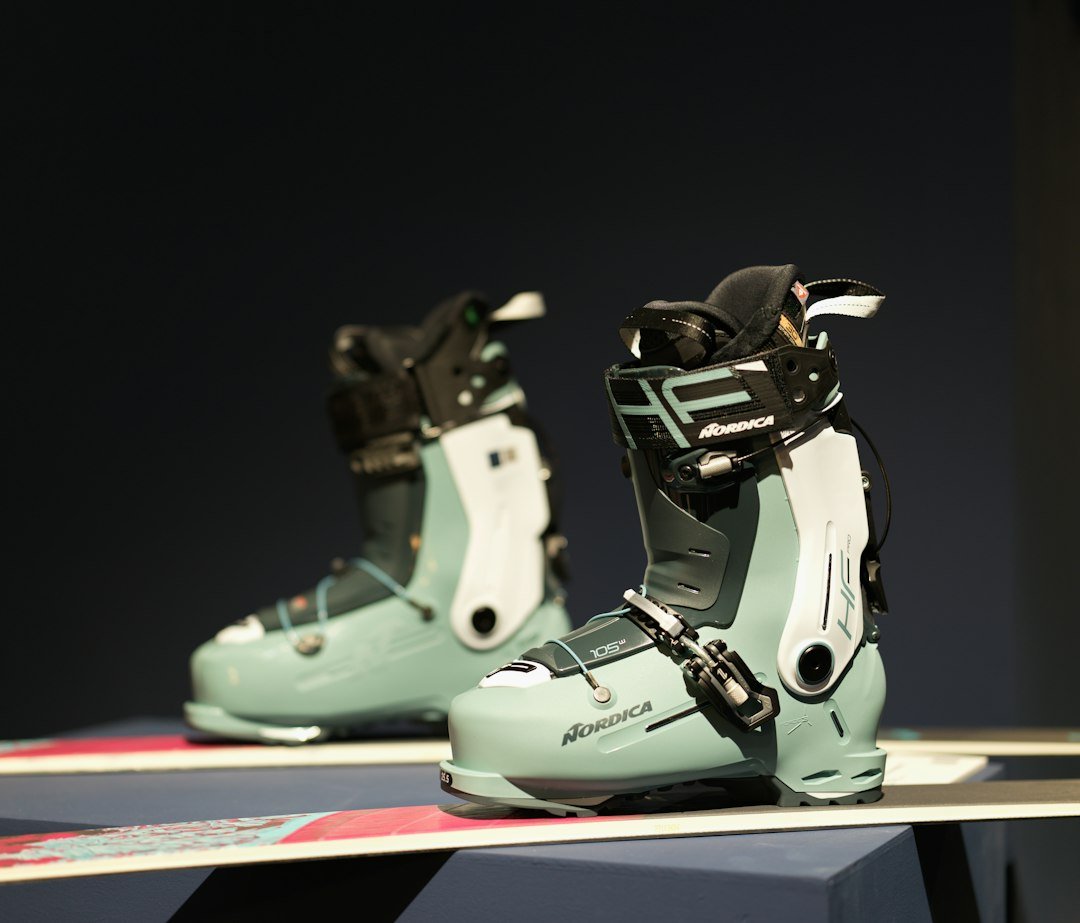
Selecting the right gear is the most critical step in ensuring a successful day on the slopes. Many skiers wonder what are the best ski boots for their specific needs, but the answer rarely relies on brand popularity alone. Instead, it requires a deep understanding of one’s own biomechanics, skiing ability levels, and the specific terrain they intend to conquer.
Why Your Choice Matters
Ski boots are the primary interface between the athlete and the mountain. When a skier asks what are the best ski boots, they are essentially asking which piece of equipment will provide the most efficient power transfer from their legs to the edges of their skis. Proper gear selection contributes to:
- Injury Prevention: A well-fitted boot supports the ankle and calf, reducing the risk of strain documented in orthopedic research regarding lower extremity safety.
- Energy Efficiency: Properly aligned boots allow for less fatigue, keeping skiers on the mountain longer.
- Enhanced Control: Precise fitting ensures that every movement is translated accurately to the snow.
The Foundation of Performance
Whether a beginner is looking for their first pair of rentals or an expert is searching for high-performance shells, the goal remains the same: total comfort paired with responsiveness. Much like choosing specialized footwear for inclement weather, picking the right ski boot involves assessing the specific environment and the intensity of the activity.
According to U.S. National Ski Areas Association standards, safety and equipment maintenance are paramount. Before hitting the lift, every skier should evaluate their hardware based on these core pillars:
- Flex Index: Matching the boot’s stiffness to the skier’s weight and power.
- Volume and Last: Ensuring the shell geometry complements the physical shape of the foot.
- Skill-Specific Features: Identifying whether the boot prioritizes forgiveness for learning or aggressive precision for racing.
By ignoring these technical requirements, skiers often sacrifice control and comfort, turning what should be an exhilarating experience into a chore. Understanding the nuances of boot construction is the first step toward unlocking true potential on the mountain.
Key Takeaways
Determining what are the best ski boots is a nuanced process that relies on aligning technical specifications with individual anatomy and ability. Because ski boots serve as the primary interface between the skier and the mountain, prioritizing a proper, professional fit is far more important than selecting a brand based on aesthetics or trendiness. To optimize performance and comfort, skiers should keep these fundamental principles in mind before heading to the local shop.
- Ability Alignment: Never “over-boot” or “under-boot.” A beginner requires a forgiving flex to learn technique, while an expert needs high-stiffness boots for power transfer and precision.
- The Importance of Volume: A boot’s “last” determines the width across the forefoot. Choosing between low, medium, and high-volume shells is the most critical step in preventing common pressure points.
- Flex Rating Matters: Flex should be matched to the skier’s weight, height, and aggression level. As explained by industry standards on equipment safety, using gear inappropriate for one’s skill level significantly increases the risk of injury.
- Customization is Essential: Most skiers benefit from custom footbeds to provide proper arch support, which stabilizes the foot and improves energy efficiency during long days on the slopes.
- Maintain Your Gear: Proper drying and storage are non-negotiable for longevity. Utilizing specialized boot drying solutions prevents moisture buildup that degrades liners over time.
- Expert Fitting: Always consult a professional boot fitter. Research indicates that proper biomechanical alignment in footwear significantly enhances both comfort and physical performance in high-impact sports.
When deciding what are the best ski boots for a specific season, remember that even a high-end, top-tier model will fail to perform if it does not match the user’s specific foot shape. Investing in a professional “shell fit” analysis is the single most effective way to ensure a pain-free experience on the mountain.
Understanding Your Skiing Ability
Selecting the right equipment is the foundation of a successful day on the mountain. When researching what are the best ski boots, skiers must first objectively assess their current proficiency. A boot that is too stiff for a beginner will impede learning, while a boot that is too soft for an expert will fail to provide the necessary responsiveness at high speeds. Understanding how to align your mechanical needs with your performance goals is essential for achieving proper ski technique.
Boots for Beginners: Comfort and Forgiveness
For those just starting their journey on the slopes, the primary goal is comfort and ease of use. Beginners require boots that allow for a natural stance without requiring excessive physical exertion to initiate a turn.
- Flex Rating: Beginners should look for a lower flex rating (typically 70-90 for men, 60-80 for women).
- Forgiveness: These boots are designed with softer plastics, allowing the boot to flex easily as the skier moves.
- Ease of Entry: Many beginner models feature wider shell openings, making them significantly easier to put on and take off—a major benefit for those still getting used to the process of managing winter gear.
Intermediate Options: Balancing Performance and Ease
Intermediate skiers often find themselves tackling a variety of terrain, from groomed blue runs to light powder. At this stage, they transition from simply sliding down the hill to actively carving turns.
- Responsiveness: Intermediate boots offer a mid-range flex (90-110 for men, 80-95 for women), providing a solid balance between comfort and control.
- Versatility: These boots are built to handle higher speeds and more varied snow conditions.
- Precision: By upgrading to an intermediate-level boot, skiers gain better power transmission, allowing them to initiate turns more decisively and maintain stability when the slope gets steeper.
Expert-Level Boots: Precision and Power Transfer
Expert skiers demand maximum efficiency from their equipment. When exploring what are the best ski boots for advanced terrain, experts prioritize total energy transfer from the leg to the ski edge.
- High Flex Ratings: These boots typically feature stiff shells (120+ for men, 100+ for women).
- Tight Fit: Expert boots are often designed with a “low volume” fit to ensure zero movement between the foot and the shell.
- Performance Engineering: These models are crafted for skiers who engage in high-speed maneuvers and aggressive carving. They require significant ankle strength and proper biomechanical alignment to operate effectively, ensuring that every movement is translated directly into the ski.

The Importance of Flex Rating
When determining what are the best ski boots for a specific skier, the flex rating is perhaps the most significant technical specification to consider. A boot’s flex rating represents the amount of force required to bend the shell forward at the ankle. Choosing the wrong flex can lead to either an inability to initiate turns effectively or, conversely, excessive fatigue from a boot that is too rigid for the skier’s input. For those interested in the physics of material stress and structural integrity, research on synthetic polymer behavior provides valuable context on how these materials react under pressure.
Soft Flex vs. Stiff Flex: How it Affects Control
The flex rating—typically ranging from 60 to 130+—directly dictates how a skier transfers energy from their legs into the skis.
- Soft Flex (Lower Numbers):
- Easier to bend, requiring less physical strength.
- Provides more room for error, making it ideal for beginners learning the fundamentals.
- Offers a more forgiving ride in variable, chopped-up snow conditions.
- Stiff Flex (Higher Numbers):
- Provides immediate, responsive energy transfer to the ski edge.
- Essential for high-speed carving and navigating steep, icy terrain.
- Requires precise technique, as there is less “give” if the skier is out of balance.
Selecting a boot that is too stiff for a novice often leads to “shin bang” and general discomfort, while an expert in an overly soft boot will find the equipment unresponsive during aggressive maneuvers. Proper gear maintenance is also vital for longevity; for tips on equipment care that keeps your feet protected in any season, consider maintaining gear properly to ensure longevity.
Matching Flex to Your Weight and Height
Finding the sweet spot for flex requires a careful balance of a skier’s physical dimensions and their experience level. A heavier, taller skier exerts more leverage on the boot, which often necessitates a stiffer flex to achieve the same control as a lighter skier in a softer boot.
Guidelines for matching flex:
- The Weight Factor: A skier weighing 200 lbs will naturally flex a boot more than someone weighing 130 lbs. The heavier individual generally needs a higher flex rating to compensate for their increased mechanical advantage.
- Height and Leverage: Taller skiers possess longer lower legs, which act as a longer lever against the cuff of the boot. To maintain stability, taller skiers often require a stiffer flex profile.
- The “Flex” Paradox: It is a common misconception that stiff ski boots are always better; however, if the boot cannot be flexed by the skier’s weight and movement, the skier loses the ability to pressure the front of the ski, which is essential for proper turn initiation according to standard National Ski Areas Association safety guidelines.
Ultimately, when evaluating what are the best ski boots, the skier should prioritize a flex that aligns with their body mass and their desired intensity on the mountain to ensure optimal ski performance.
Mastering the Boot Fit: Last and Volume
When determining what are the best ski boots for your specific anatomy, the process goes far beyond just choosing a size based on a standard shoe number. A professional fit focuses on the internal geometry of the shell, which dictates how the boot interacts with the unique shape of a skier’s foot. Achieving a performance-oriented fit requires balancing the width, known as the “last,” and the internal capacity, referred to as “volume.” According to research on biomechanical foot alignment, proper support is essential for preventing long-term orthopedic strain during athletic activities.
Why Last Width is the Critical Measurement
The “last” refers to the width of the boot at the forefoot (specifically the ball of the foot). Because feet vary significantly in width, manufacturers produce shells in different lasts to accommodate these differences.
- Narrow Last (97mm – 98mm): Designed for skiers who prioritize precision and responsiveness, often seen in race-room boots.
- Mid Last (100mm): The most common standard, providing a balance of comfort and performance for the average U.S. skier.
- Wide Last (102mm+): Engineered for skiers with higher volume feet or those who prioritize all-day comfort over maximum power transmission.
Selecting the incorrect last is the primary reason skiers experience numbness or cramping. It is just as important to keep your feet comfortable as it is when selecting reliable all-weather footwear for damp conditions off the slopes.
Low vs. High Volume Shells Explained
While the last measurement handles the width, “volume” refers to the total amount of space inside the shell, including the instep height, heel pocket depth, and the shape of the calf area. Understanding volume is vital when asking what are the best ski boots for your specific physiological profile.
- Low Volume (LV): These shells offer a snug, glove-like fit. They are ideal for skiers with thin feet, low arches, and narrow ankles who require instant edge engagement.
- Mid Volume (MV): These shells provide a “Goldilocks” fit that suits the majority of the population.
- High Volume (HV): Specifically designed for individuals with high insteps, wider ankles, or larger calves. These boots prevent the “crushing” sensation often associated with lower-volume shells.
For those interested in the physics of material stress and structural integrity, resources from the National Institute of Standards and Technology offer insights into how synthetic polymers react under pressure. Always prioritize a professional boot fit session to ensure the shell volume matches the anatomy, as this is the single most effective way to improve on-mountain endurance.

The Role of Liner Technology
When evaluating what are the best ski boots, the liner is often the unsung hero that determines whether a skier stays on the mountain all day or retreats to the lodge in agony. The liner acts as the vital interface between the foot and the hard plastic shell, managing both insulation and energy transfer. A high-quality liner reduces pressure points, stabilizes the heel, and keeps feet warm in sub-zero temperatures. For those looking to understand the mechanics of proper gear, researching orthopedic comfort standards provides insight into how footwear impacts overall performance.
Heat-Moldable Liners for Custom Comfort
Modern premium boots often feature heat-moldable liners. These are constructed from specialized foams that soften when heated by a shop technician, allowing them to expand and adapt to the unique contours of the skier’s foot.
- Customization: They eliminate “hot spots” by filling empty gaps between the foot and the shell.
- Enhanced Performance: A precise fit reduces “foot slop,” ensuring that even subtle movements are transmitted directly to the ski.
- Faster Break-in: Unlike traditional liners, heat-moldable options significantly shorten the “pain phase” of new boots.
While these liners are excellent for performance, skiers should also focus on maintaining their overall equipment health, much like they would prioritize dry gear maintenance during the wet winter months.
Standard Liners: Durability and Longevity
Standard, non-moldable liners are typically found in entry-level or budget-conscious models. While they lack the immediate “glove-like” fit of their heat-moldable counterparts, they offer distinct advantages for specific users.
- Durability: These liners use denser, closed-cell foams that resist “packing out” (losing volume) over time.
- Cost-Effectiveness: They provide a reliable interface at a lower price point, making them an attractive option for casual skiers.
- Reliability: They hold their shape through many seasons, provided they are stored correctly. To understand the importance of material degradation, one might review studies on material resilience regarding synthetic polymers.
For a beginner unsure of their long-term commitment to the sport, opting for a standard liner can be a strategic way to identify what are the best ski boots for their evolving needs without the high price tag of custom-fitted technology. Regardless of the liner type chosen, ensuring the foot is properly supported is essential for preventing common injuries like plantar fasciitis.
Top Brands Dominating the U.S. Market
When determining what are the best ski boots for your needs, evaluating the manufacturer’s reputation is a crucial first step. In the United States, several industry leaders have distinguished themselves by consistently producing high-performance gear that meets the rigorous demands of North American terrain. Whether you are navigating groomed runs or tackling steep, icy chutes, these brands represent the gold standard in snow sports equipment. Before investing, it is helpful to consult resources like the National Ski Areas Association to understand current safety and equipment standards for resorts across the country.
Technical Leaders: Lange and Tecnica
These two manufacturers are widely considered the gold standard for skiers who prioritize precision, power transfer, and a snug performance fit.
- Lange: Often favored by racers and aggressive all-mountain skiers, Lange is famous for their “Dual Core” technology. This construction allows them to sandwich softer plastics with stiffer ones, providing a boot that is easy to enter but incredibly responsive on edge.
- Tecnica: Their “Mach1” series is a perennial favorite for those seeking the ultimate performance ski boot. They are highly regarded for their anatomical shells, which reduce the need for extensive “boot work” or punching out the plastic to accommodate bunions or wide feet.
Both brands offer options that cater to the demanding technical standards found in alpine competition, as often discussed in biomechanics research regarding lower-limb stability.
Comfort Innovators: Dalbello and Salomon
If your primary goal is to spend the entire day on the hill without feeling the need to unbuckle your gear at lunch, these brands lead the market in ergonomic design.
- Salomon: Known for their pioneering work in “Custom Shell” technology, Salomon allows shop technicians to heat-mold the entire plastic casing to a skier’s foot. This makes them a top contender when asking what are the best ski boots for people with non-standard foot shapes who refuse to sacrifice comfort.
- Dalbello: Famous for their “Cabrio” design—a three-piece shell construction—Dalbello boots offer a smooth, progressive flex that feels natural and forgiving. This design is excellent for absorbing vibrations from variable snow conditions, much like how high-quality waterproof protective footwear keeps you stable and dry in unpredictable weather.
Key features of these comfort-focused brands include:
- Intuitive Buckle Geometry: Designed to be easily operated even with gloves on.
- Lightweight Materials: Reduced fatigue during long days in the backcountry or lift-serviced terrain.
- Adjustable Cuffs: Accommodating various calf volumes for a more inclusive fit.

Ski Boot Shell Materials and Construction
When researching what are the best ski boots, skiers often overlook the foundational engineering of the shell itself. The materials utilized in the construction of these boots dictate how they react to temperature fluctuations, how they transfer energy to the ski, and their overall lifespan on the mountain. Understanding these technical components helps riders make an informed decision when evaluating different footwear performance standards.
Polyurethane vs. Polypropylene
Manufacturers typically choose between two primary plastics when molding a shell. Each offers distinct mechanical properties that impact the skiing experience.
- Polyurethane (PU): This is the industry gold standard. It offers a consistent flex pattern even when temperatures drop on a frigid day in the Rockies. It is highly responsive and provides superior energy transmission.
- Polypropylene (PP): Frequently found in entry-level or junior models, this material is lighter and easier to mold. However, it is more susceptible to temperature-induced flex changes, meaning the boot may feel “soft” on a warm spring day and “brittle” during a deep freeze.
For those who prioritize performance and longevity, PU remains the preferred material. If you find your current gear leaves your feet damp or lacking protection, consider consulting expert guides on moisture management for insight on how material choices affect comfort.
Weight Considerations for Backcountry Touring
Weight is a critical factor for backcountry enthusiasts who prioritize ski touring performance. Unlike traditional alpine boots, touring shells must balance rigidity with the need to minimize fatigue during long ascents.
- Grilamid and Polyamide: These advanced polymers are increasingly common in high-end touring boots because they maintain structural integrity at a significantly lower weight than standard plastics.
- Wall Thickness: Engineering teams use “thin-wall” technology, reinforcing only the areas subject to high stress (like the spine and the heel pocket) while thinning out non-structural zones to shave grams.
- Hinge Points: Proper construction ensures the cuff pivot provides a smooth, frictionless range of motion for uphill travel without sacrificing the lateral stiffness needed for the descent.
When selecting gear for rugged terrain, always refer to safety and engineering resources from the National Ski Areas Association to understand how equipment construction contributes to overall mountain safety. Whether opting for a lightweight touring shell or a robust downhill model, the goal is always to find the perfect synergy between weight, durability, and control.
Essential Accessories and Customization
Selecting the right shell is only the first step in finding what are the best ski boots for your specific biomechanics. Even the highest-end equipment can fall short if the interior interface isn’t optimized for the user’s foot shape and the harsh environments often encountered on U.S. slopes. Proper customization serves as the bridge between a generic factory fit and the high-performance precision required for all-day comfort.
Why Custom Footbeds Change Everything
Most stock insoles are thin, flimsy pieces of foam that offer virtually no structural support. When a skier applies force to initiate a turn, the foot naturally collapses or shifts inside the boot, leading to fatigue and “slop” in power transfer.
- Alignment Correction: Custom footbeds (orthotics) help align the ankle, knee, and hip, creating a more efficient kinetic chain.
- Pressure Distribution: By supporting the arches, they evenly distribute weight across the entire sole, preventing hot spots and cramping.
- Enhanced Feel: A molded footbed allows for immediate energy transfer, ensuring the ski reacts exactly when the user moves.
Research into pedorthic biomechanics suggests that foot stability is critical for preventing lower limb injuries. For those seeking custom boot fitting solutions, investing in an aftermarket footbed is the single most effective way to improve the performance of any model. Much like ensuring your footwear remains protected in harsh conditions, high-quality footbeds preserve the integrity of the boot’s performance over the long term.
Boot Heaters for Cold Climate Skiing
Skiing in extreme U.S. temperatures—such as those found in the Rockies or the Northeast—can lead to poor circulation and frozen toes, which ruins even the best day on the mountain. Boot heaters have evolved from bulky, unreliable units into streamlined, high-tech systems.
- Integrated Heating Elements: Many modern liners come pre-wired for heating elements that sit under the toes, where circulation is most restricted.
- Battery Technology: Modern lithium-ion packs offer multiple heat settings and can be controlled via Bluetooth, ensuring they last for the duration of a full lift day.
- Improved Circulation: By keeping the muscles and tendons warm and pliable, boot heaters allow for better edge control and reduce the risk of strain.
According to guidelines from government health resources regarding cold stress, maintaining core and extremity warmth is vital for safety and cognitive function. When deciding what are the best ski boots, skiers operating in freezing climates should prioritize shells that are compatible with integrated heating systems to maintain peak responsiveness throughout the day.

How to Properly Buckle and Adjust Your Boots
Even if a skier identifies what are the best ski boots for their specific foot shape and ability, the gear will fail to perform if it is not buckled correctly. Proper adjustment is the bridge between a day of painful foot cramps and a day of total mountain mastery. By mastering the sequence of tightening—starting from the bottom up—skiers can ensure their shells provide the necessary support for high-performance skiing. For those interested in the biomechanics of lower extremity comfort in various conditions, reviewing research on foot support and alignment can offer deeper insights into why a locked-in fit is essential for injury prevention.
Achieving the Right Ankle Lock
The primary goal of a ski boot is to transfer energy from the leg to the ski edge. Achieving an effective ankle lock is critical to this process. If the heel lifts, the skier loses control, particularly in icy or variable conditions found at resorts across the U.S.
- The Power Strap: Always tighten the top power strap first. It keeps the tongue of the boot snug against the shin.
- The Cuff Buckles: These should be tightened until they are snug but not cutting off movement. They should hold the leg in place without restricting the natural forward flex required for turns.
- The Lower Buckles: These should be buckled last. They are primarily designed to hold the shell together rather than crush the foot. Overtightening here is a common mistake that causes foot numbness.
To maintain the integrity of the shell and liner, ensuring that your boots are properly stored and managed between uses is just as important as the buckle adjustment. Using effective moisture management gear helps ensure the interior materials do not degrade, which would otherwise compromise the structural fit over time.
Managing Circulation and Shin Pain
Shin pain and loss of circulation are frequent complaints among recreational skiers. When assessing what are the best ski boots, many skiers forget that comfort is a product of technique. If the foot goes numb, the buckles are likely too tight, or the boot is improperly sized for the wearer’s volume.
- Avoid Over-Tightening: The lower buckles (the ones over the instep) should only be tight enough to prevent the foot from sliding. They should never be clamped down to the point of pain.
- Check Your Socks: Only ever wear one pair of thin, high-quality wool or synthetic ski socks. Doubling up on socks creates pressure points that restrict blood flow, making it impossible to maintain warmth.
- Addressing Shin Bang: This is often caused by an overly loose cuff or a liner that has packed out. When the shin repeatedly slams into the tongue of the boot, it causes significant discomfort. According to resources from the National Ski Areas Association, maintaining equipment properly is essential to both comfort and safety on the slopes.
If a skier finds they are consistently having to tighten their buckles to the last notch, it is a clear sign that the boot volume is too high or the liner has worn down beyond its useful life.
Maintaining Your Boots for Peak Season Performance
Investing in the right gear is only the first step; ensuring that equipment lasts requires diligent care throughout the winter months and beyond. Even if a skier has identified what are the best ski boots for their specific foot shape and ability, failure to maintain the shells and liners can lead to premature degradation, loss of performance, and unnecessary discomfort. Proper maintenance ensures that a skier’s investment remains consistent, safe, and reliable for seasons to come. For those interested in broader foot care and moisture management, learning how to keep feet dry in demanding environments is a highly transferable skill.
Drying Techniques to Prevent Odor and Damage
Moisture is the primary enemy of ski boot performance, as it fosters bacterial growth and can compromise the integrity of the foam liners. To maintain the gear longevity of high-performance footwear, owners should adhere to these drying protocols:
- Remove the Liners: At the end of every ski day, pull the liners out of the shell. This allows air to circulate around the damp materials, preventing the buildup of moisture that leads to unpleasant odors.
- Avoid High Heat: Never place boots directly on a heating vent or in front of a fireplace. Excessive heat can warp the plastic shell and shrink sensitive foam components.
- Use Dedicated Boot Dryers: Invest in a low-heat, forced-air boot dryer designed specifically for ski equipment. According to research on material science and moisture control, managing humidity levels is critical to maintaining the structural elasticity of synthetic polymers used in athletic gear.
- Air Dry Naturally: If a dryer is unavailable, place the boots in a warm, dry room with good ventilation. Inserting newspaper or cedar wood blocks can also help absorb excess moisture and neutralize odors.
Off-Season Storage Best Practices
When the snow melts and the season concludes, storing ski boots correctly is essential for preventing shell deformation and liner compression. To ensure a boot is ready for the next winter, follow these storage guidelines:
- Buckle Up: Always buckle your boots to the lowest setting during storage. This helps the plastic shell maintain its molded shape and prevents it from bowing outward over several months.
- Clean and Inspect: Wipe down the shell with a damp cloth to remove salt, dirt, and road grime collected from parking lots. The U.S. Forest Service provides guidelines on environmental stewardship regarding the removal of invasive plant seeds or debris from gear when traveling between different mountain regions.
- Store in a Climate-Controlled Space: Keep boots in a cool, dry area away from direct sunlight. Ultraviolet (UV) radiation can cause plastic shells to become brittle and eventually crack over time.
- Avoid Damp Basements: Garages or damp basements are poor storage environments due to high humidity and fluctuating temperatures. A closet inside the home is the ideal location to maintain the integrity of the ski boot maintenance cycle.

Frequently Asked Questions
When researching what are the best ski boots, skiers often encounter technical nuances that can make the selection process feel overwhelming. Because fit is the most significant factor in performance, addressing common inquiries helps clear up confusion and ensures a more comfortable day on the mountain. Whether you are a beginner or a seasoned pro, understanding the mechanics of your gear is essential for safety and enjoyment. For more information on general foot care and moisture management, you can consult the science of winter foot protection.
How tight should my ski boots actually be?
A common misconception is that boots should be painful to be effective. In reality, a proper fit should feel “snug but comfortable.”
- The Shell Fit: When the liner is removed, the toes should lightly touch the front of the shell while the athlete is standing upright.
- The Flex Test: When the skier moves into a forward-leaning stance, their toes should pull back slightly from the front of the boot.
- Pressure Points: There should be zero “hot spots” or sharp pinching. Significant pressure can be addressed through heat molding or professional boot-fitting services, which are often documented in biomechanical studies on footwear.
Can I buy used ski boots?
While purchasing pre-owned gear can be cost-effective, experts generally advise caution.
- Liner Compression: Foam liners pack out over time. A used boot may have a “molded” fit to a previous owner’s foot shape, which will not match your anatomy.
- Safety Standards: Older boots may have degraded plastic or out-of-date sole standards, which could potentially cause issues with modern binding compatibility.
- The Verdict: If you are determined to find what are the best ski boots on a budget, prioritize finding a brand-new boot that matches your specific foot volume rather than buying used, as a poor fit leads to suboptimal control and injury.
When should I replace my current boots?
Ski boots do not last forever, even if the shell looks brand new. Most professional boot fitters recommend replacement based on the following criteria:
- Usage Frequency: A casual skier might get 10 years out of a boot, while an aggressive skier might wear the shell material down in 3 to 5 years.
- Flex Degradation: If the plastic becomes “mushy” or loses its original stiffness, the boot is no longer providing adequate energy transfer to the ski.
- Sole Wear: Check the toe and heel lugs. If they are significantly worn down, the boot may no longer safely release from the binding, which poses a safety risk according to industry safety guidelines provided by the National Ski Areas Association.
- Hardware Failure: If buckles, power straps, or canting mechanisms no longer function reliably, it is time for an upgrade.
Conclusion: Choosing what are the best ski boots for your next trip
Determining what are the best ski boots is a highly personal process that hinges on the synergy between a skier’s anatomy and their specific performance goals on the mountain. Because no two feet are shaped identically, the “best” boot is always the one that provides a precise, comfortable fit without sacrificing the power transfer necessary for confident turns. For those researching mountain safety and equipment standards, the National Ski Areas Association provides valuable insights into how gear functions within professional resort environments.
Final Steps to Selecting Your Gear
When preparing for a trip, skiers should follow these core principles to ensure they find the perfect match:
- Prioritize Professional Fitting: A expert boot fitter is an invaluable resource. They can assess the volume and last of a shell to match the specific geometry of a foot.
- Don’t Overlook Customization: Many skiers find that adding custom supportive insoles significantly improves their alignment and reduces fatigue.
- Respect the Flex Rating: A skier should avoid the temptation of buying an expert-level, stiff boot if their ability does not yet match the gear; choosing ski boot stiffness that is too high can hinder progress and lead to poor technique.
- Test for Heel Hold: When buckled, the heel should remain firmly in the pocket. If the heel lifts during a forward lean, the boot volume is likely too high.
Why Fit Trumps Features
While high-end features like advanced materials or specialized heaters are appealing, they cannot compensate for a poor fit. According to biomechanical research published via the National Institutes of Health, proper lower-extremity support is essential for injury prevention in alpine sports.
Ultimately, knowing what are the best ski boots comes down to a clear understanding of:
- Ability Level: Ensuring the flex supports their current skiing style.
- Volume Requirements: Matching shell width to the width of the forefoot.
- Intended Use: Deciding between all-mountain, racing, or backcountry applications.
By focusing on these variables, any skier can narrow down the vast market to find a pair that facilitates long days on the slopes with maximum comfort and responsiveness. Once the correct pair is secured, remember that proper gear maintenance is the secret to extending the lifespan of the plastic shells and internal liners for many seasons to come.

