
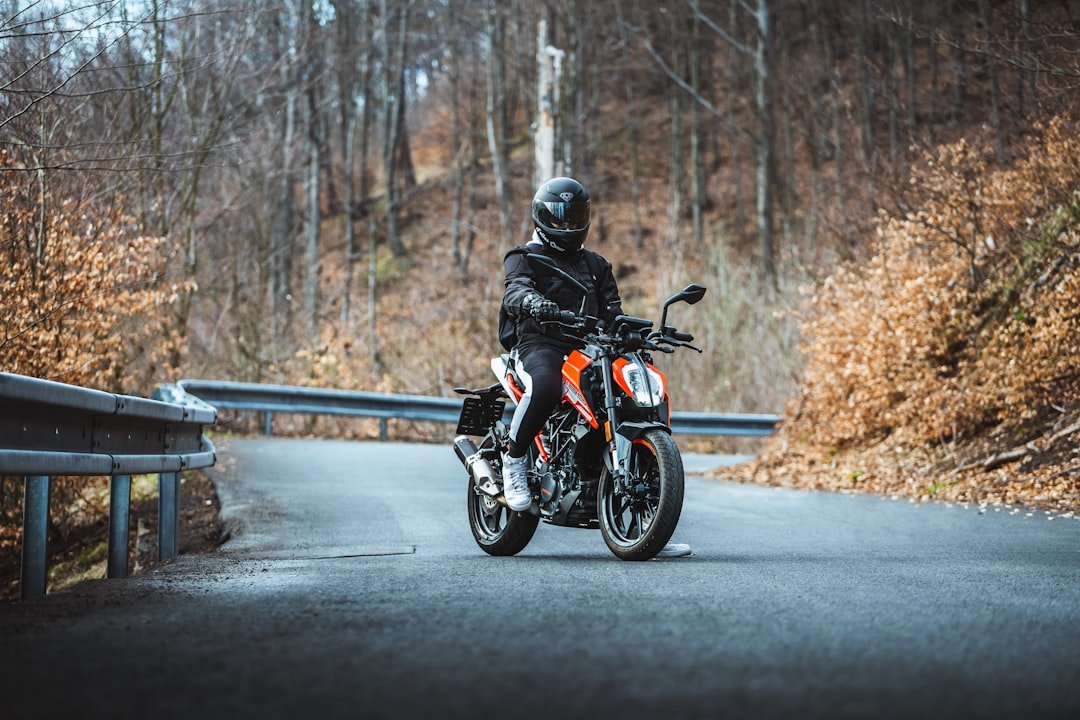
Choosing the right footwear is a critical decision for every motorcyclist, as it serves as the primary barrier between the rider’s feet and the harsh realities of the road. When evaluating what are the best boots for motorcycle riding, one must look beyond aesthetics to prioritize structural integrity and specialized protective features. While fashion-forward options might seem appealing, they often lack the necessary motorcycle gear safety standards required to mitigate injury during a slide or impact.
Why Standard Footwear Falls Short
Many riders mistakenly believe that standard work boots provide adequate protection. However, specialized riding boots are engineered with unique biomechanical needs in mind. According to the National Highway Traffic Safety Administration (NHTSA), understanding protective equipment is vital for injury prevention. Unlike durable footwear for daily wear, motorcycle boots incorporate:
- Impact Dispersal: Rigid inserts to protect the malleolus (ankle bone).
- Crush Resistance: Reinforced midsoles that prevent the foot from being flattened under the weight of a bike.
- Torsion Control: Internal supports that limit lateral movement to prevent broken ankles during high-speed maneuvers.
The Role of Certification
To truly understand what are the best boots for motorcycle riding, riders should reference the ISO (International Organization for Standardization) guidelines regarding personal protective equipment. CE certification acts as a benchmark, ensuring that the footwear has undergone rigorous stress testing for abrasion resistance, cut resistance, and transverse rigidity.
By prioritizing gear that meets these professional benchmarks, riders can significantly enhance their comfort and security. Whether a rider is navigating heavy city traffic or embarking on a long-distance tour, investing in high-quality, purpose-built boots is an essential component of responsible motorcycle ownership.
Key Takeaways
Determining what are the best boots for motorcycle riding requires a balance of rigorous safety standards, ergonomic comfort, and environmental adaptability. Riders must prioritize gear that minimizes the risk of injury while ensuring they can operate their motorcycle controls with precision. For those interested in understanding the biomechanics of foot support, resources like studies on gait and protective footwear offer valuable insights into why specialized gear is essential.
When evaluating your next pair, consider these primary factors:
- Prioritize CE Certification: Always look for gear that meets recognized safety standards. Understanding the difference between CE-certified protective clothing ensures the rider is protected against abrasion and impact forces common in motorcycle accidents.
- Material Integrity: The choice between high-grade leather and synthetic textiles impacts both durability and breathability. While leather remains the gold standard for abrasion resistance, modern synthetics often provide superior airflow for summer touring.
- Discipline-Specific Design: A boot designed for track racing will lack the comfort needed for long-distance commuting. It is important to find the right motorcycle-specific footwear for everyday use to ensure you aren’t sacrificing ergonomics for protection.
- Stability and Control: A non-slip outsole is non-negotiable for maintaining footing at stoplights or when maneuvering heavy bikes.
- The Importance of Fit: A boot is only effective if it remains securely on the foot during a slide. Proper sizing is the most critical element in effective motorcycle gear safety.
By focusing on these core pillars, riders can make an informed decision when searching for what are the best boots for motorcycle riding that suit their specific riding style and environment.
Essential Safety Features to Prioritize
When evaluating what are the best boots for motorcycle riding, safety must remain the primary concern. A motorcycle boot is not merely a fashion statement or a casual accessory; it is a critical piece of Personal Protective Equipment (PPE) designed to mitigate the severity of lower-limb injuries in the event of a crash. Riders should prioritize gear that offers comprehensive structural integrity, ensuring that if an accident occurs, their feet and ankles have the best possible chance of escaping unscathed. According to the National Highway Traffic Safety Administration (NHTSA), motorcyclists are significantly more vulnerable on the road, making robust gear choices essential for every commute or track day.
Ankle Support and Impact Protection
The ankle is one of the most fragile parts of the rider’s anatomy during a slide or collision. To achieve proper impact protection, high-quality boots incorporate several defensive mechanisms:
- Rigid Ankle Cups: Hardened plastic or composite inserts placed over the malleolus (ankle bone) to prevent crushing injuries.
- Anti-Twist Technology: Many professional-grade boots feature internal or external bracing systems that prevent the foot from rotating beyond its natural range of motion.
- Padded Inserts: Strategic foam lining, such as PORON XRD, that remains flexible during normal movement but hardens instantly upon impact.
If a rider is searching for daily options that offer a balance between style and ruggedness, they might compare these technical motorcycle features with comfortable everyday boots to see exactly how much extra support is required for two-wheeled transit.
Abrasion-Resistant Materials
Standard footwear, including common sneakers or dress shoes, often disintegrate within seconds of hitting asphalt. When determining what are the best boots for motorcycle riding, one must look for materials specifically engineered for high-friction environments.
- Full-Grain Leather: Regarded as the gold standard, this material offers natural durability and thick fibers that resist tearing.
- Synthetic Reinforcements: Areas prone to high wear—such as the toe, heel, and side—often feature layers of Cordura or TPU (thermoplastic polyurethane).
- Stitching Integrity: Look for reinforced, double, or triple-stitched seams, as these prevent the boot from bursting apart during a high-speed slide.
Academic research on motorcycle safety and protective clothing emphasizes that the coefficient of friction provided by specialized materials is vital for preventing skin and tissue loss during a crash.
Non-Slip Outsoles for Maximum Grip
A motorcycle boot must provide a stable platform for the rider while they are stationary, especially at traffic lights or on slick, oil-stained surfaces. A high-traction, non-slip outsole is essential for maintaining control of the motorcycle.
- Oil-Resistant Compounds: High-quality vulcanized rubber outsoles are specifically formulated to maintain grip even when exposed to automotive fluids or rainwater.
- Tread Geometry: Deep, multidirectional lug patterns help channel water away from the contact patch, similar to how motorcycle tires function.
- Shank Reinforcement: A rigid steel or composite shank is built into the sole to provide arch support and prevent the foot from flexing painfully against the footpegs during long-distance rides.

Choosing the Right Style for Your Riding Discipline
Selecting the proper footwear is the most critical decision a motorcyclist makes regarding their safety gear. When determining what are the best boots for motorcycle riding, one must first identify their primary riding style, as the biomechanical needs of a track racer differ significantly from those of a cross-country touring rider. According to guidelines set by the National Highway Traffic Safety Administration (NHTSA), choosing gear specific to the riding environment is a fundamental component of effective motorcycle safety.
Sport and Track Riding Boots
These boots are engineered for maximum protection during high-speed maneuvers. They are characterized by rigid structural integrity to prevent twisting injuries during a slide.
- Key Features:
- Rigid Exoskeletons: Often feature TPU plastic braces to prevent ankle hyperextension.
- Replaceable Sliders: Toe sliders allow riders to lean into corners without damaging the boot chassis.
- Slim Profile: Designed to fit under racing leathers and provide precise feedback on the foot controls.
- Best For: Canyon carving, track days, and aggressive street riding.
Cruiser and Touring Style Footwear
For riders who prioritize longevity and comfort during long days in the saddle, cruiser boots offer a balance between style and utility. While they may look like casual fashion footwear, quality pairs are reinforced with hidden armor. For those looking to transition from riding to casual settings, some riders explore comfortable footwear options for their off-bike time.
- Key Features:
- Walking Comfort: These boots feature flexible soles suitable for walking around town.
- Classic Aesthetic: Usually constructed from high-quality leather to match the traditional cruiser look.
- Ankle Protection: Look for internal cup reinforcements that protect the malleolus (ankle bone) without sacrificing flexibility.
- Best For: Casual riding, weekend road trips, and commuting.
Adventure and Dual-Sport Boots
Adventure (ADV) riding involves unpredictable terrain, requiring boots that can handle both paved highways and rugged fire roads. The Motorcycle Safety Foundation emphasizes the importance of gear that remains functional across varied environments.
- Key Features:
- Heavy-Duty Durability: Often taller with multiple buckle systems to secure the lower leg.
- Aggressive Tread: Deep-lugged outsoles provide essential traction for “dabbing” or walking through mud and loose gravel.
- Shin Guards: Integrated plates protect the lower leg from rocks and trail debris.
- Best For: Off-road excursions, multi-surface touring, and remote trail riding.
When evaluating what are the best boots for motorcycle riding, riders should also keep an eye out for CE certification, which serves as a benchmark for impact absorption and abrasion resistance across all these categories. Regardless of the style chosen, ensuring the boot provides a snug, secure fit is non-negotiable for rider control.
The Importance of Proper Fit and Comfort
When determining what are the best boots for motorcycle riding, riders often prioritize aesthetics or brand reputation over the most critical factor: how the gear interacts with their anatomy. A boot that is too loose can slip during an emergency maneuver, while one that is too tight can cause nerve compression and distraction. Achieving the right proper gear fitment is essential for maintaining control of the bike and ensuring the rider’s long-term musculoskeletal health. Just as one might research comfortable footwear for daily activities, a rider must treat their motorcycle boots as precision equipment rather than simple accessories.
Measuring Your Feet for Motorcycle Gear
Riders should never assume their standard sneaker size translates perfectly to motorcycle-specific footwear. Different manufacturers utilize unique “lasts,” which are the foot-shaped forms used to construct the boot.
- Measure Both Feet: Feet often differ in size; always size to the larger foot.
- Time of Day: Measure in the evening when feet are slightly swollen from the day’s activity to ensure a comfortable fit during long rides.
- Use Proper Socks: Wear the specific riding socks intended for use, as thicker materials can significantly impact how a boot secures the foot.
- Consult Size Charts: Always refer to the manufacturer’s specific sizing guide, as European sizing (EU) and US sizing do not always align linearly.
For those interested in the biomechanical standards for protective footwear, the Occupational Safety and Health Administration (OSHA) provides guidelines on proper footwear usage in environments where impact protection is required.
Breaking In Your New Riding Boots
High-quality motorcycle boots are often constructed from heavy-duty materials designed to withstand immense pressure. Consequently, they rarely feel “broken in” straight out of the box.
- Wear Them Indoors: Spend time walking around the house to allow the leather or textile to flex naturally with the gait.
- Avoid Immediate Long Hauls: Do not embark on a multi-day cross-country trip with brand-new, stiff boots. This often leads to blisters and fatigue.
- Gradual Tensioning: During the first few rides, keep the laces or buckles slightly snug but not restrictive. This allows the materials to mold to the unique contours of the rider’s ankles and arches.
- Conditioning: If the boot is made of full-grain leather, applying a light leather conditioner can accelerate the softening process without compromising structural integrity, a practice supported by general material science research regarding the longevity of organic textiles.
By focusing on these fitment protocols, riders ensure that their focus remains on the road rather than on physical discomfort.

Material Science: Leather vs. Synthetic Textiles
When determining what are the best boots for motorcycle riding, the choice between leather and synthetic materials often comes down to the intended environment and personal preference. Each material offers distinct advantages in terms of safety, longevity, and climate management. Understanding these differences ensures that riders invest in gear that provides optimal protective footwear performance during long-distance tours or short city commutes.
The Durability of Full-Grain Leather
Full-grain leather has long been the gold standard for motorcycle apparel due to its legendary abrasion resistance. Because it retains the outer layer of the hide, it is remarkably dense and tough.
- Superior Abrasion Resistance: In the event of a slide, full-grain leather acts as a sacrificial barrier, protecting the skin from friction burns against asphalt.
- Natural Malleability: Over time, high-quality leather “breaks in,” conforming to the unique shape of the rider’s foot for a custom-like fit.
- Longevity: With proper care, leather boots can last for many years, making them a sustainable investment for serious motorcyclists.
- Thermal Regulation: Leather provides excellent natural insulation against heat from the engine and cold wind while riding.
For those looking to expand their footwear collection for non-riding occasions, exploring options like comfortable leather boots can provide insight into how premium materials balance utility and comfort. As noted in research regarding protective apparel standards, the material composition is a primary factor in mitigating injury risks during impact.
Breathability and Lightweight Synthetics
While leather is robust, synthetic textiles have revolutionized the market by offering advanced moisture management and weight reduction. These materials, often composed of high-denier nylon or specialized composites like Cordura, are ideal for riders who prioritize comfort in fluctuating temperatures.
- Advanced Ventilation: Synthetic boots often integrate mesh panels or laser-cut perforations that allow for significant airflow, preventing feet from overheating in the peak of summer.
- Lower Weight: By reducing bulk, synthetic boots decrease leg fatigue, which is particularly beneficial for adventure riders who spend hours navigating technical trails.
- Ease of Maintenance: Unlike leather, many synthetic boots can be wiped clean with a damp cloth and do not require specialized conditioning oils to prevent cracking.
- Enhanced Flexibility: Synthetics often allow for more intricate mechanical designs, such as external hinge systems that provide lateral ankle stability without restricting natural walking motion.
To ensure long-term durability, riders should consult resources from organizations such as the Consumer Product Safety Commission to understand how different material testing standards influence the manufacturing of high-performance gear. By balancing these material properties, riders can confidently select what are the best boots for motorcycle riding based on their specific local climate and riding style.
Weatherproofing and Ventilation Systems
When determining what are the best boots for motorcycle riding, riders must balance the dual challenges of climate control and moisture management. A rider’s experience can be quickly diminished by rain-soaked feet or overheating during a summer trek. High-quality motorcycle gear is engineered with sophisticated membrane systems and strategic venting to maintain a stable internal microclimate, ensuring comfort regardless of the environmental conditions. For those who prioritize versatile, everyday footwear, it is often helpful to research durable, comfortable boots for various terrains to understand how construction impacts long-term wearability.
Waterproof Linings and GORE-TEX Technology
Staying dry is critical for both safety and focus. Water-permeable footwear causes discomfort and can lead to skin maceration or reduced tactile control over the gear shifter.
- GORE-TEX Integration: Many premium models utilize waterproof GORE-TEX membranes, which are industry-standard for their ability to allow water vapor to escape while preventing liquid ingress.
- Seam Sealing: Beyond the membrane, the best boots feature heat-sealed seams to prevent water from wicking through stitching holes.
- Gusseted Tongues: A design feature that bridges the gap between the tongue and the upper, ensuring water does not pour in during heavy downpours.
According to research on moisture management in performance apparel, managing internal humidity is as important as blocking external moisture to prevent thermal stress. Riders should look for boots that offer a “breathable waterproof” rating to ensure that sweat can dissipate effectively during high-exertion rides.
Managing Airflow in Hot Weather Riding
In scorching temperatures, a fully waterproof boot may become stifling. Advanced ventilation systems are designed to keep the foot cool without sacrificing structural integrity or protection.
- Perforated Leather: Strategically placed perforations allow for active cooling airflow while maintaining abrasion resistance in critical impact zones.
- Mesh Inserts: Often found in sport-style footwear, these provide maximum breathability. However, users should ensure these panels meet safety standards for protective clothing to ensure they do not tear during a slide.
- Adjustable Vents: Some high-end touring boots feature mechanical flaps or intake ports that can be opened or closed, allowing the rider to adapt to changing weather conditions on the fly.
By prioritizing these technological advancements, riders can ensure their gear remains functional across diverse landscapes, confirming that what are the best boots for motorcycle riding depends heavily on a rider’s specific regional climate and riding habits.

Comparing Top Brands and Price Points
Navigating the marketplace to determine what are the best boots for motorcycle riding can be overwhelming, as price points vary significantly based on material quality, integrated safety technology, and brand reputation. Riders must weigh their personal budget against the level of risk mitigation they require for their specific riding habits. Whether a rider is looking for durable footwear for daily commutes or specialized racing gear, understanding the landscape of available brands is essential for making an informed investment.
Entry-Level Options for Beginners
For those just starting their journey on two wheels, finding reliable gear without breaking the bank is a common priority. Entry-level boots focus on basic protection and comfort, often utilizing synthetic materials that keep costs low while meeting industry standards.
- Key Features: Look for reinforced ankle cups, non-slip soles, and basic toe protection.
- Value Brands: Manufacturers like BILT and Sedici offer accessible options that provide basic safety certification for urban riders.
- Budget Considerations: Entry-level boots are perfect for daily commuters who don’t face extreme track conditions.
- Durability: While they may not last as long as premium leather alternatives, they serve as an excellent starting point for new motorcyclists.
When moving up to high-performance or long-distance touring, the focus shifts toward advanced ergonomics and heavy-duty impact resistance. Premium brands invest heavily in research and development to ensure their gear meets or exceeds rigorous CE safety standards, which provide a framework for evaluating personal protective equipment.
- Top-Tier Manufacturers: Brands such as Alpinestars, Dainese, and Sidi represent the gold standard in the industry.
- Advanced Materials: These boots often incorporate full-grain leather, carbon fiber inserts, and advanced exoskeleton structures to prevent hyperextension.
- Long-Term Investment: While the upfront cost is higher, premium boots are often rebuildable. For instance, many pro-level boots allow for the replacement of sliders, soles, and inner booties, significantly extending the life of the product.
- Specialized Engineering: These brands test their products according to scientific standards, such as those discussed in research on trauma mitigation, ensuring riders receive the highest level of impact protection available on the market.
Ultimately, deciding what are the best boots for motorcycle riding depends on the rider’s commitment to safety and the frequency of their time spent in the saddle. While budget-friendly options provide a necessary baseline, premium brands offer the peace of mind and specialized features that experienced motorcyclists demand.
The Role of Shifter Guards and Reinforcements
When evaluating what are the best boots for motorcycle riding, riders often overlook the critical importance of localized reinforcements. These specialized features are not merely cosmetic; they serve as a primary defense against the mechanical rigors of operating a motorcycle. Dedicated riding boots are engineered with specific structural enhancements to ensure that the rider’s foot remains both functional and protected during daily commutes or long-distance touring. Understanding these reinforcements is essential when selecting comfortable riding footwear that doesn’t sacrifice safety for style.
Preventing Wear from Constant Shifting
The constant, repetitive motion of pulling up on the gear lever can rapidly degrade standard footwear. A high-quality motorcycle boot incorporates a dedicated shifter pad—a reinforced patch of rubber or leather located on the top of the toe box.
- Longevity: This layer absorbs the friction generated by the metal or plastic gear lever. Without it, thin leather or synthetic fabrics will wear through within a few hundred miles of riding.
- Tactile Feedback: A well-designed guard provides a consistent surface for the rider to engage, ensuring clean shifts every time.
- Material Integrity: According to guidelines from the National Highway Traffic Safety Administration (NHTSA), gear that prevents distraction and equipment failure is vital for rider safety. Reinforced guards allow the rider to focus on the road rather than potential equipment malfunctions.
Toe Box Integrity and Support
Beyond the shifter guard, the entire front structure of the boot—the toe box—must offer significant rigidity. This area is subjected to high levels of compressive force and potential road debris.
- Crush Resistance: The toe box is typically reinforced with high-density polymer or steel inserts to prevent the foot from being crushed in the event of a lateral impact or bike drop.
- Structural Rigidity: Unlike a casual boot, a motorcycle-specific boot features a stiffened midsole and toe cap that supports the arch, reducing rider fatigue during long hours in the saddle.
- Safety Standards: Research on impact protection in motorcycle gear emphasizes that rigid reinforcements are the primary barrier between the rider’s bones and the asphalt. When analyzing what are the best boots for motorcycle riding, one must ensure the toe box can withstand significant pressure without collapsing.
By prioritizing boots with these reinforcements, riders ensure their gear provides both the durability needed for heavy mileage and the essential protection required for unforeseen incidents.
Maintenance Tips to Extend Boot Lifespan
Investing in high-quality gear is a significant commitment, and knowing what are the best boots for motorcycle riding is only half the battle. To ensure the longevity, structural integrity, and protective capabilities of premium footwear, riders must implement a consistent maintenance routine. Proper care not only preserves the aesthetic appeal of the leather or synthetic components but also ensures that critical safety features remain fully functional throughout years of heavy use.
Cleaning and Conditioning Leather
Leather is an organic material that requires specific care to prevent cracking, drying, and eventual degradation. When considering what are the best boots for motorcycle riding, enthusiasts often choose full-grain leather for its durability; however, it must be maintained properly.
- Remove Surface Debris: After every ride, use a soft-bristled brush to remove road grime, dust, and salt. According to guidance from the American Leather Chemists Association, keeping pores clean prevents the breakdown of leather fibers.
- Deep Cleaning: Use a damp cloth and a mild, pH-balanced leather cleaner. Avoid harsh soaps or detergents that strip natural oils.
- Conditioning: Apply a high-quality leather conditioner every few months to keep the material supple. This prevents the “dry rot” often seen in poorly maintained gear.
- Moisture Management: If the boots become soaked, allow them to air dry naturally away from direct heat sources like radiators, which can cause the leather to become brittle.
For those interested in maintaining a professional aesthetic while ensuring durability, understanding proper leather care for comfortable footwear is a transferable skill that applies to all high-quality boot investments.
Proper Storage Between Rides
Where and how a rider stores their gear significantly impacts its lifespan. Exposure to extreme elements can compromise the chemical composition of synthetic liners and the structural strength of the sole.
- Avoid Direct Sunlight: UV rays are notoriously damaging to both synthetic textiles and leather. Always store boots in a cool, dark, and well-ventilated area.
- Maintain Shape: Utilize boot trees or cedar inserts to help the boots retain their original shape and absorb residual moisture from the interior lining.
- Ensure Ventilation: Never store damp boots in a closed plastic bag or locker. Proper airflow is essential to prevent mold and mildew growth, which can destroy the interior padding.
- Regulatory Standards: For those researching what are the best boots for motorcycle riding, it is helpful to consult the National Highway Traffic Safety Administration (NHTSA) for general gear safety standards, which emphasize the importance of keeping safety equipment in good working order to ensure consistent protection on the road.
By following these storage habits, a rider ensures their boots remain comfortable and, more importantly, ready to provide maximum protection in the event of an incident.
Frequently Asked Questions
When researching what are the best boots for motorcycle riding, riders often encounter several common concerns regarding safety, longevity, and regulatory standards. Understanding these nuances is essential for making an informed purchase that balances personal comfort with necessary protection on the road.
Can I wear regular work boots for motorcycle riding?
While work boots may seem sturdy, they are generally not recommended as a substitute for dedicated motorcycle gear.
- Lack of ankle protection: Most work boots lack the rigid armor required to prevent crush injuries in a crash.
- Sole grip: Standard work boot soles often lack the specific chemical composition required to prevent slipping on wet or oily asphalt.
- Laces: Loose laces can easily catch on foot controls, creating a dangerous distraction.
For those seeking versatile options, it is helpful to look for comfortable, purpose-built footwear designed with actual rider safety features in mind.
How often should I replace my riding boots?
Safety equipment has a limited lifespan, even if the boots appear visually intact.
- Material degradation: Sunlight and chemical exposure can break down protective components.
- Impact history: If a rider has been involved in a crash, the structural integrity of the boot is likely compromised and must be replaced immediately.
- General wear: Inspect the soles and stitching annually. According to guidelines provided by the National Highway Traffic Safety Administration (NHTSA), gear that shows signs of compromised shielding or structural fatigue should be retired to ensure continued rider safety.
Are tall boots always better than short boots?
Not necessarily, but they do offer different levels of coverage.
- Tall boots: Provide superior shin and calf protection, which is crucial for high-speed riding or track use.
- Short boots: Offer a better compromise for casual riders, providing excellent ankle support while remaining more breathable and comfortable for walking off the bike.
Choosing what are the best boots for motorcycle riding depends entirely on the rider’s specific environment and risk tolerance.
Do motorcycle boots need to be CE certified?
Yes, CE certification is the industry-standard benchmark for safety performance.
- Standardized testing: Boots with this certification have been tested for abrasion resistance, impact energy absorption, and transverse rigidity.
- Reliability: Choosing gear verified by the European Committee for Standardization provides riders with a verifiable assurance that their footwear meets rigorous safety benchmarks. When evaluating what are the best boots for motorcycle riding, riders should prioritize those that display a clear CE rating label inside the boot.
Final Thoughts on what are the best boots for motorcycle riding
Ultimately, determining what are the best boots for motorcycle riding requires a balance between personal riding style, safety requirements, and environmental conditions. No single pair fits every rider, but prioritizing gear that meets recognized motorcycle safety standards is the non-negotiable foundation of any purchase. By selecting boots that offer a blend of impact protection, abrasion resistance, and consistent comfort, riders ensure they stay focused on the road rather than their gear.
Summary Checklist for Your Purchase
When finalizing a decision, riders should evaluate their choices against these critical pillars:
- Impact Protection: Ensure the boots provide rigid support for the ankles and toes.
- Material Integrity: Seek out gear with high-grade leather or reinforced synthetic textiles.
- Fitment: Always prioritize proper footwear sizing for long-distance comfort to prevent foot fatigue.
- CE Certification: Look for the CE mark to guarantee the gear has undergone independent laboratory testing, as noted by resources like the National Highway Traffic Safety Administration (NHTSA).
Why Quality Matters
Investing in high-quality footwear is an investment in rider longevity. Whether navigating city traffic or embarking on a cross-country tour, the right pair acts as a crucial barrier during unforeseen incidents. Research on accident prevention and protective equipment consistently highlights that riders who wear dedicated motorcycle-specific gear face significantly lower risks of severe foot and ankle injuries.
Final Recommendation
To conclude, what are the best boots for motorcycle riding? They are the ones that:
- Provide a secure fit that doesn’t compromise blood circulation.
- Are worn every single time the rider gets on the bike.
- Are maintained regularly to ensure the materials remain supple and the soles provide adequate traction.
By adhering to these principles, riders can ride with confidence, knowing they have prioritized their safety without sacrificing the performance of their machine.

