
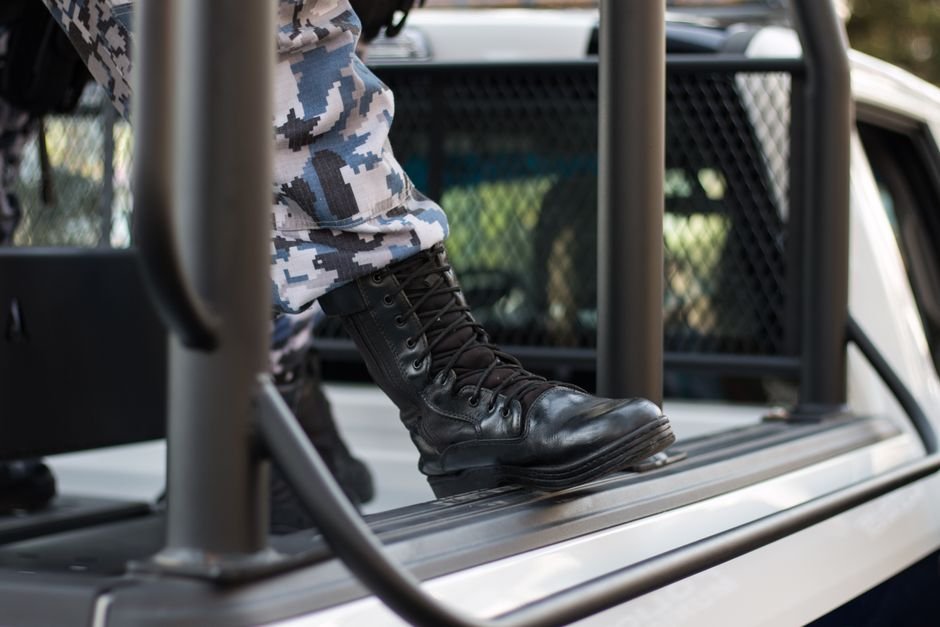
For law enforcement professionals, the search for the perfect footwear is more than a matter of preference—it is a critical necessity for operational efficiency and long-term health. Determining what are the best boots for police officers requires evaluating a blend of durability, weight, and ergonomic support. Whether patrolling urban environments or responding to emergency calls, officers need reliable gear that can withstand high-impact movement while maintaining professional standards.
Why Footwear Matters in Law Enforcement
According to research from the National Institute of Occupational Safety and Health (NIOSH), foot health and proper support play a significant role in reducing musculoskeletal fatigue among shift workers. When officers ask what are the best boots for police officers, they are usually looking for:
- Superior Shock Absorption: To minimize joint stress during long shifts on concrete.
- Tactical Versatility: Performance that bridges the gap between running-shoe agility and heavy-duty protection.
- Professional Appearance: Meeting departmental uniform regulations without sacrificing comfort.
Finding the Right Fit
Selecting the correct pair involves more than just aesthetics. Many officers prioritize tactical footwear requirements that allow for rapid response times. Finding the most comfortable boots for long shifts is a common goal for those who spend hours on their feet in varying weather conditions.
Proper maintenance and ergonomic selection are vital, as noted in guidelines regarding occupational foot protection standards. To identify what are the best boots for police officers, one must look beyond branding and focus on the technical specifications that serve the demands of modern policing. By investing in high-quality, supportive gear, law enforcement personnel can enhance their daily performance and maintain their physical well-being over the course of a demanding career.
Key Takeaways
Identifying what are the best boots for police officers requires a careful balance between structural integrity, comfort, and safety. Because law enforcement personnel spend the vast majority of their shifts on their feet, selecting the right gear is not just a preference; it is a clinical necessity for long-term health. According to research from the National Institute of Occupational Safety and Health (NIOSH), proper footwear is essential for preventing musculoskeletal disorders caused by standing or walking on hard surfaces.
When researching what are the best boots for police officers, consider these critical performance factors:
- Ergonomic Support: High-quality boots must provide superior arch and ankle support to prevent fatigue. For those looking for everyday versatility outside of tactical duty, exploring comfortable footwear options can help maintain foot health during off-duty hours.
- Safety Standards: Look for outsoles that meet slip resistance standards, which are vital for maneuvering through various urban environments, from wet pavement to slick floor surfaces.
- Material Durability: A combination of full-grain leather and abrasion-resistant synthetic fabric is the gold standard for balancing longevity with breathability.
- Moisture Management: Advanced, breathable linings are non-negotiable for preventing blisters and maintaining hygiene during 12-hour shifts.
- Weight Reduction: Modern tactical footwear leverages innovative EVA or polyurethane midsoles to provide maximum cushioning without the “heavy boot” penalty that contributes to premature exhaustion.
For more information on workplace safety and foot protection standards, officers can refer to OSHA guidelines regarding personal protective equipment to ensure their gear meets professional compliance requirements. Furthermore, investing in orthopedic inserts is often recommended for officers who require extra stability or suffer from persistent foot arch issues, ensuring they remain mission-ready regardless of the terrain.
Understanding Tactical Footwear Requirements
When evaluating what are the best boots for police officers, it is essential to look beyond the surface aesthetics. Tactical footwear serves as a critical piece of safety equipment designed to withstand the physical demands of law enforcement. Whether navigating high-stress urban environments or conducting perimeter checks, officers require gear that prioritizes stability, protection, and long-term musculoskeletal health. According to research on occupational health, improper footwear in high-impact professions can lead to chronic fatigue and long-term injury. Officers should view their boots not just as a uniform requirement, but as an investment in their operational readiness and career longevity.
The Importance of Ergonomic Support
Ergonomic design is the cornerstone of comfort during a 12-hour shift. If an officer’s feet are not properly supported, the impact travels up the kinetic chain, causing pain in the knees, hips, and lower back.
- Arch Support: Boots must offer contoured support to maintain the foot’s natural alignment. For those seeking versatile everyday options that bridge the gap between duty and casual wear, one might consider exploring comfortable footwear options for off-duty recovery.
- Ankle Stability: High-cut collars provide essential lateral support, preventing rolls and sprains when navigating uneven terrain during foot pursuits.
- Dynamic Cushioning: A high-quality midsole should provide a responsive feel, absorbing shock from pavement strikes to reduce joint stress.
Safety Features and Compliance Standards
Law enforcement agencies often dictate specific requirements to ensure that gear meets professional tactical footwear standards. These standards ensure that an officer remains protected in unpredictable environments.
- Slip Resistance: Outsoles are typically tested against various surfaces—from slick tile in government buildings to wet asphalt—to ensure maximum friction.
- Blood-Borne Pathogen Resistance: Many top-tier boots are treated with protective barriers to comply with OSHA safety protocols, ensuring that bodily fluids do not penetrate the boot fabric.
- Electrical Hazard Protection: In some jurisdictions, boots must meet ASTM standards for electrical hazard protection to safeguard officers from accidental contact with live electrical circuits.
- Toe Protection: While not required for every patrol role, reinforced or composite toes are often utilized when an officer is exposed to heavy equipment or high-impact risks.

Essential Materials for Longevity
When determining what are the best boots for police officers, the selection of high-quality materials stands as the primary factor in determining the gear’s lifespan. Law enforcement professionals subject their footwear to extreme conditions, from asphalt urban heat to muddy off-road environments. Choosing materials that balance resilience with functionality is critical, as documented in guidelines regarding occupational foot protection standards. Investing in robust construction ensures that duty boots withstand the rigors of daily patrol without compromising structural integrity.
Full-Grain Leather vs. Synthetic Fabrics
The debate between leather and synthetic materials often dictates the durability of tactical footwear. Understanding these differences is essential for officers who need durable uniform footwear that can hold up under pressure.
- Full-Grain Leather:
- Durability: Renowned for its natural toughness and ability to resist punctures and abrasions.
- Polishability: Essential for officers who must maintain a professional appearance.
- Customization: Gradually conforms to the wearer’s foot, providing a superior personalized fit over time.
- Synthetic Fabrics (Ballistic Nylon/Cordura):
- Weight Reduction: Significantly lighter than leather, reducing leg fatigue during long shifts.
- Flexibility: Offers a shorter break-in period and enhanced mobility for rapid movement.
- Maintenance: Often easier to clean and resistant to color fading.
Most experts agree that the most resilient models utilize a hybrid approach, combining full-grain leather for structural support in high-wear areas and synthetic mesh for breathability and reduced weight.
Waterproofing Technologies for All-Weather Use
Patrol duties rarely pause for inclement weather, making moisture management a non-negotiable feature. Modern tactical boots utilize advanced technologies to keep feet dry, which is vital for preventing skin maceration—a common issue cited in podiatric health research.
Key considerations for moisture protection include:
- Membrane Liners: Manufacturers frequently employ proprietary waterproof membranes that act as a barrier against external liquids while allowing internal water vapor to escape.
- Hydrophobic Treatments: High-quality boots are often treated with external coatings that cause water to bead off the surface, preventing the material from becoming heavy and saturated.
- Seam Sealing: The longevity of waterproof performance depends on the quality of seam sealing; reliable boots utilize reinforced, factory-sealed stitching to prevent leaks at the most vulnerable connection points.
- Gusseted Tongues: A critical design feature that prevents water, grit, and debris from entering through the lace area, maintaining a clean internal environment.
By selecting boots that prioritize these advanced materials, agencies and individual officers can ensure that their gear remains functional regardless of the environment.
The Role of Outsoles in Traction and Stability
When evaluating what are the best boots for police officers, the outsole is arguably the most critical component. Serving as the primary point of contact between the officer and the ground, the outsole must provide uncompromising grip across varying terrains, from slick office floors to uneven outdoor surfaces. Officers require footwear that enhances their natural stability, allowing for rapid movement without the risk of slipping or rolling an ankle. High-performance outsoles integrate advanced rubber compounds and engineered lug patterns to ensure that every step is secure. For those looking for everyday versatility in non-tactical settings, exploring options like comfortable chukka boots can provide insight into how sole construction influences long-term comfort.
Oil and Slip Resistance Testing
Safety in the line of duty often depends on the boot’s ability to maintain a firm hold on hazardous surfaces. Manufacturers frequently subject their gear to rigorous slip resistance testing to meet industry standards set by organizations like the ASTM International.
- Standardized Testing: Most tactical boots undergo friction testing on wet and oily surfaces to ensure they prevent dangerous falls.
- Rubber Compounds: The best outsoles utilize proprietary rubber blends that remain flexible in cold temperatures while resisting the degrading effects of chemical spills or oils.
- Safety Compliance: Officers should look for certifications, such as those discussed in OSHA workplace safety guidelines, which emphasize the importance of appropriate personal protective equipment (PPE) for maintaining traction in high-risk environments.
Aggressive Treads for Off-Road Pursuit
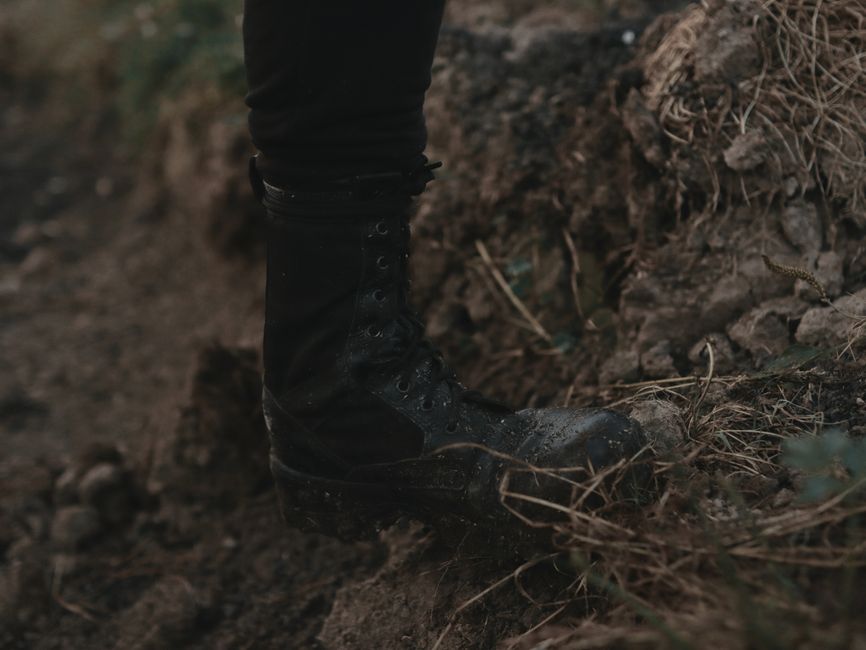
Law enforcement duties frequently transition from asphalt to gravel, dirt, or grass. To handle these varied environments, the best tactical footwear features aggressive treads designed for multi-directional movement.
- Self-Cleaning Lug Patterns: Deep, widely spaced lugs prevent mud, rocks, and debris from becoming trapped, ensuring the boot maintains constant contact with the ground.
- Heel Braking Zones: A distinct heel design allows for improved stopping power when descending steep embankments or sprinting during a foot pursuit.
- Lateral Stability: The perimeter of the outsole is often reinforced to support the foot during sudden lateral shifts, reducing the likelihood of injuries during intense physical activity.
- Flex Grooves: Strategically placed channels in the forefoot promote natural gait cycles, ensuring that agility is not sacrificed for the sake of ruggedness.
Cushioning and Midsole Technology
When evaluating what are the best boots for police officers, the midsole acts as the engine of the footwear. Since officers often spend 8 to 12 hours on their feet, the internal support system dictates both comfort and long-term health. A high-quality midsole serves to distribute weight evenly and protect joints from the repetitive stress of standing on concrete or running on asphalt. For those seeking additional guidance on everyday comfort for non-duty wear, check out these comfortable boot options.
EVA Foam vs. Polyurethane Midsoles
The choice between EVA (Ethylene Vinyl Acetate) and Polyurethane (PU) midsoles is a foundational decision for any law enforcement professional. Research from the National Center for Biotechnology Information highlights the importance of choosing materials that maintain structural integrity under load.
- EVA Foam:
- Pros: Significantly lighter than PU, providing a “running shoe” feel that reduces leg fatigue.
- Cons: Compresses faster over time, eventually losing its cushioning properties.
- Best For: Officers who prioritize speed and agility during patrol.
- Polyurethane (PU):
- Pros: Extremely durable and resistant to compression, making it a “long-term” investment for heavy-duty use.
- Cons: Heavier and stiffer, which may require a longer break-in period.
- Best For: Beat officers who remain stationary or walk long distances on hard surfaces daily.
Impact Absorption for Urban Patrol
Urban environments present unique challenges, specifically the hard, unforgiving nature of concrete. Proper impact absorption is non-negotiable when determining what are the best boots for police officers. Without adequate shock mitigation, officers risk developing chronic conditions like plantar fasciitis or lower back strain.
Key features of top-tier impact-absorbing soles include:
- Gel Inserts: Strategically placed in the heel to neutralize the shock of a heel strike.
- Dual-Density Midsoles: Often used by the Occupational Safety and Health Administration (OSHA)-compliant manufacturers to offer a firm base for stability combined with a softer core for comfort.
- Tapered Heel Geometry: A rounded or beveled heel allows for a smoother transition from heel strike to toe-off during a foot pursuit.
By prioritizing advanced cushioning, departments and individual officers can ensure that their gear supports them through the rigors of a standard shift, effectively reducing the risk of musculoskeletal injury.
Weight Considerations for Daily Duty
When determining what are the best boots for police officers, the weight of the footwear is often the most overlooked factor in maintaining peak performance. Officers spend a significant portion of their shifts on their feet, traversing everything from concrete city sidewalks to uneven terrain. Research from the National Institute of Occupational Safety and Health (NIOSH) suggests that reducing the weight of footwear can significantly decrease physical strain, making it a critical component for those seeking the most comfortable tactical gear to survive long, grueling shifts.
Why Lightweight Boots Reduce Fatigue
Every extra ounce on the feet translates to increased energy expenditure throughout a 12-hour patrol. Lightweight designs help officers maintain their agility and endurance.
- Reduced Leg Strain: Lighter boots minimize the work required by the calf and quadricep muscles during every stride.
- Faster Response Times: Lower mass allows for quicker physical acceleration when an officer must transition from a walk to a sprint.
- Enhanced Mobility: By reducing overall leg fatigue, officers are less likely to experience the “heavy-leg” feeling that often sets in toward the end of a graveyard shift.
Studies published via National Center for Biotechnology Information (NCBI) indicate that footwear weight directly correlates to metabolic cost, meaning lighter materials allow for better cardiovascular efficiency during active duty.
Balancing Durability with Portability
While a lighter boot is desirable, it must not come at the expense of structural integrity. Finding the perfect equilibrium is key to identifying what are the best boots for police officers who require both protection and speed.
- Material Innovation: Modern manufacturers are replacing heavy metal shanks with composite materials that offer identical support at a fraction of the weight.
- Hybrid Construction: Many top-tier models utilize a blend of lightweight tactical boots materials, such as high-denier nylon panels paired with leather overlays, to maintain abrasion resistance without the bulk of a full-leather build.
- The “Sweet Spot”: The ideal patrol boot typically sits between 18 and 24 ounces per boot. Going lighter may sacrifice ankle stability, while going heavier often leads to unnecessary premature exhaustion.
Ultimately, officers should prioritize breathable duty footwear that leverages advanced synthetic fabrics to ensure that the boot remains durable enough to withstand urban obstacles while remaining portable enough to ensure the officer stays energized during high-pressure situations.

Breathability and Moisture Management
When evaluating what are the best boots for police officers, ventilation is often just as critical as durability. Officers patrolling urban environments or working long shifts in humid climates face significant challenges regarding foot health. Effective moisture management prevents fungal infections and ensures that temperature regulation remains consistent, which is essential for maintaining focus during a high-stakes patrol. Research from the National Institutes of Health emphasizes that proper footwear microclimates are vital for skin integrity, highlighting why technical fabrics are no longer just a luxury—they are a requirement.
Advanced Lining Fabrics for Heat Control
Modern tactical footwear incorporates specialized moisture-wicking liners that pull perspiration away from the skin. These liners work in tandem with the exterior material to facilitate airflow, even in waterproof models.
- Antimicrobial Treatments: Many high-performance boots now feature linings treated with silver-ion technology to neutralize odors and inhibit bacterial growth.
- Climate-Adaptive Linings: These materials react to body temperature, opening pores when the feet overheat and closing them when the temperature drops.
- Air-Mesh Zones: Strategic placement of breathable mesh panels allows for a “bellows effect,” pumping air into the boot with every step taken.
For those looking to transition from their duty gear to more casual settings without sacrificing quality, understanding the difference in comfort-focused footwear construction can provide insight into how professional-grade materials support daily wear.
Preventing Blisters During Long Shifts
Blisters are arguably the most common enemy of a law enforcement officer on their feet for 12 hours. Moisture is the catalyst for friction; when skin becomes soft from sweat, it shears away from the foot much more easily.
To mitigate this, officers should prioritize the following features when considering what are the best boots for police officers:
- Moisture-Wicking Socks: Footwear is only as effective as the socks worn inside them. Experts at the American Podiatric Medical Association recommend synthetic or wool blends over cotton to ensure moisture is pulled away from the foot immediately.
- Seamless Interior Construction: Boots that minimize internal stitching points drastically reduce the potential for friction-based irritation.
- Hydrophobic Membranes: While keeping water out, these membranes (such as Gore-Tex) must also remain breathable materials to ensure internal water vapor can escape, preventing the “swamp effect” inside the boot.
- Strategic Padding: Integrated heel and tongue pads lock the foot in place, preventing the micro-movements that lead to hotspots and blistering.
By focusing on these moisture-management technologies, officers can ensure their feet stay dry, comfortable, and ready for action, regardless of the shift duration or environmental conditions.
Sizing and Proper Fitment Techniques
Finding the right fit is the most critical step when determining what are the best boots for police officers. Because law enforcement professionals spend the vast majority of their shifts on their feet, ill-fitting footwear leads to chronic pain, decreased performance, and long-term orthopedic issues. Proper sizing goes beyond simply checking the length; it involves evaluating volume, heel security, and the natural expansion of the foot throughout the day. According to research from the American Podiatric Medical Association, proper foot health is directly linked to workplace productivity and overall wellness.
Breaking In Your New Tactical Boots
Even the most high-end gear requires a transition period to ensure maximum comfort. Officers should never wear a brand-new pair of boots for a full 12-hour patrol shift without breaking them in first.
- Gradual Integration: Start by wearing the boots around the station or at home for short periods to allow the materials, especially full-grain leather, to soften and conform to the foot.
- Gradual Increase: Increase the duration of wear by one to two hours each day until they feel completely natural.
- Lacing Techniques: Experiment with different lacing patterns to relieve pressure points on the bridge of the foot.
- Moisture Management: Use moisture-wicking socks during this phase to reduce friction, as the internal lining of the boot will be at its stiffest.
For those looking to refine their everyday footwear, understanding how to select comfortable duty boots can provide valuable insights into lasting comfort. It is important to remember that stiff, unyielding leather can cause significant discomfort; if the boot remains tight after several days of wear, a different size or width may be necessary.
Choosing the Right Arch Support
When evaluating what are the best boots for police officers, arch support is a non-negotiable factor. Standard insoles provided by manufacturers are often generic and fail to account for the unique biomechanics of an officer’s foot.
- Assess Foot Type: Identify whether the feet have high arches, low arches (flat feet), or a neutral arch.
- Consider Orthotics: Many officers benefit from medical-grade orthopedic inserts that provide dynamic stability. These can help distribute pressure evenly across the sole of the foot.
- The “Finger Test”: Ensure there is enough space in the toe box—ideally, a finger’s width between the longest toe and the front of the boot—to accommodate foot swelling, which is a common occurrence during long patrols.
- Professional Consultation: For those experiencing chronic pain, consulting a podiatrist can provide a definitive guide on the correct support needed. The National Institute of Occupational Safety and Health (NIOSH) emphasizes that reducing musculoskeletal fatigue is vital for long-term career longevity in physically demanding fields.
By prioritizing accurate sizing and customized support, officers ensure their equipment acts as an extension of their performance rather than a hindrance to their safety.

Maintenance Tips to Extend Boot Life
Even when an officer invests in what are the best boots for police officers, the harsh reality of daily patrol—exposure to asphalt, gravel, moisture, and chemicals—will eventually take its toll. Proper care is not merely about aesthetics; it is an essential practice for maintaining structural integrity and personal safety. By following a consistent maintenance routine, law enforcement professionals can ensure their gear remains a reliable asset throughout long, demanding shifts. For those interested in exploring different styles for off-duty wear, researching comfortable everyday footwear can provide insight into balancing support and style.
Proper Cleaning and Conditioning
Routine maintenance prevents the premature breakdown of high-performance materials. Following the guidelines from the American Podiatric Medical Association, keeping the feet healthy starts with dry, clean footwear.
- Remove Dirt Daily: Use a soft-bristled brush to remove dried mud, salt, or dust immediately after a shift. Salt, in particular, can rapidly degrade leather.
- Deep Cleaning: Use a mild soap or a specialized leather cleaner. Avoid harsh detergents that strip away natural oils and protective coatings.
- Conditioning: Leather requires periodic conditioning to prevent cracking. Applying a quality leather conditioner every few months keeps the material supple.
- Moisture Control: After wet shifts, remove the insoles and allow the boots to air-dry at room temperature. Never place them directly against a heater, as intense heat can warp the leather and ruin adhesive bonds.
- Lace Maintenance: Inspect laces for fraying regularly. A snapped lace during an active pursuit is a preventable hazard.
When to Replace Your Footwear
Knowing when to retire a pair of duty boots is critical for officer safety and musculoskeletal health. According to standards discussed by the National Institute of Occupational Safety and Health, footwear that has lost its protective properties should be replaced immediately.
Officers should consider replacing their boots if they notice the following:
- Tread Wear: If the outsole pattern is worn smooth, the boot no longer provides the necessary slip resistance required for wet, urban environments.
- Structural Fatigue: If the ankle support feels “loose” or the heel counter has collapsed, the boot is no longer offering adequate stability.
- Cushioning Failure: When the midsole no longer absorbs impact, it often results in joint pain and foot fatigue. If the boots feel “dead” or flat after a standard shift, the internal foam has likely compressed beyond its recovery point.
- Liner Deterioration: Holes in the interior lining lead to friction, which significantly increases the risk of blisters and infections.
- Waterproofing Failure: If the breathable, moisture-wicking membrane has been compromised, the boots will retain dampness, creating an environment for bacteria and fungal growth.
By remaining vigilant about these indicators, an officer ensures that what are the best boots for police officers continue to provide the protection and performance required for high-stakes duty.
Frequently Asked Questions
Finding the right equipment is essential for public safety professionals who spend long hours on their feet. When officers ask what are the best boots for police officers, they are usually looking for a balance of longevity, comfort, and professional appearance. The following answers address common concerns regarding the procurement and maintenance of departmental gear.
How often should police officers replace their boots?
The lifespan of duty footwear depends heavily on usage intensity and terrain. On average, most officers should replace their boots every 8 to 12 months.
- Signs of wear: Worn-out treads, degraded cushioning, or compromised waterproofing.
- Performance impact: According to guidelines from the National Institute of Occupational Safety and Health (NIOSH), footwear that loses structural integrity increases the risk of musculoskeletal fatigue and workplace injuries.
- Rotation: Alternating between two pairs of boots can help the materials dry out completely, effectively extending the lifespan of both pairs.
Are steel-toe boots necessary for patrol duty?
Generally, steel-toe boots are not required for standard patrol duty, but they are highly recommended for officers working in specialized units.
- Standard Patrol: Most officers prefer composite toes or non-metallic safety toes, which offer protection without the weight or thermal conductivity of steel.
- Specialized Units: Officers working in traffic control, K-9 units, or areas with heavy equipment should consult their Department of Justice (DOJ) guidelines regarding specific safety protocols for protective footwear.
Can I use inserts in tactical boots?
Yes, using high-quality orthotic inserts is a standard practice for managing foot health during long shifts.
- Customization: Many tactical boots come with removable insoles, making it easy to swap them for medical-grade or ergonomic inserts that provide better arch support.
- Comfort focus: If an officer finds their issued footwear lacking in long-term support, transitioning to high-quality, supportive footgear often mitigates common issues like plantar fasciitis.
Which brands are standard for law enforcement?
While individual department policies vary, several manufacturers have established themselves as industry leaders. When evaluating what are the best boots for police officers, professionals typically look for brands that offer:
- Proven Reliability: Companies like Bates, Danner, 5.11 Tactical, and Salomon consistently rank high in performance evaluations.
- Compliance: Many of these brands ensure their products meet rigorous occupational safety standards for slip resistance and impact protection, which are vital for daily duty.
- Versatility: The best manufacturers provide a wide range of options, from lightweight, athletic-style boots for rapid response to high-ankle leather boots for maximum ankle stability.
Conclusion: Final thoughts on what are the best boots for police officers
Selecting the right footwear is a mission-critical decision for law enforcement professionals. Because duty shifts often span 12 hours or more, determining what are the best boots for police officers requires a careful balance between rugged durability, anatomical support, and environmental versatility. While individual needs vary based on assignment—ranging from beat patrol to specialized tactical units—the criteria for success remain consistent: prioritize safety, foot health, and performance.
Summary of Essential Selection Criteria
When evaluating potential footwear, officers should keep the following pillars in mind to ensure long-term comfort and utility:
- Ergonomic Foundation: Always prioritize arch support and proper cushioning to mitigate the risk of chronic issues like plantar fasciitis, a common concern in podiatric health research.
- Mission-Specific Traction: Ensure the outsoles offer slip resistance, especially when navigating wet urban surfaces or gravel-strewn terrain during high-intensity scenarios.
- Material Integrity: High-quality leather paired with modern synthetic mesh provides the ideal equilibrium between heavy-duty abrasion resistance and necessary breathability.
- Regulatory Compliance: Always check department-specific uniform policies regarding polishability and safety standards, as seen in guidelines provided by the National Institute of Justice.
Investing in Your Daily Performance
It is important to remember that a boot is not merely a piece of equipment; it is an extension of an officer’s ability to remain mobile and alert. If an officer finds their current gear lacking, they might consider researching comfortable footwear options to better understand how proper fitment influences overall musculoskeletal alignment.
Final Recommendations for the Field:
- Test for “Out-of-Box” Comfort: While some break-in time is expected, the boots should feel secure and supportive immediately.
- Prioritize Moisture Management: Invest in moisture-wicking socks to complement the boot’s lining, as this is the most effective way to prevent debilitating blisters.
- Monitor Wear Patterns: Replace boots at the first sign of significant midsole compression or tread loss to maintain stability.
Ultimately, what are the best boots for police officers? They are the boots that vanish from the officer’s conscious thought during a shift, allowing them to focus entirely on their community and their mission. By utilizing these selection strategies, any officer can find reliable, high-performing footwear that stands up to the rigors of modern policing.

