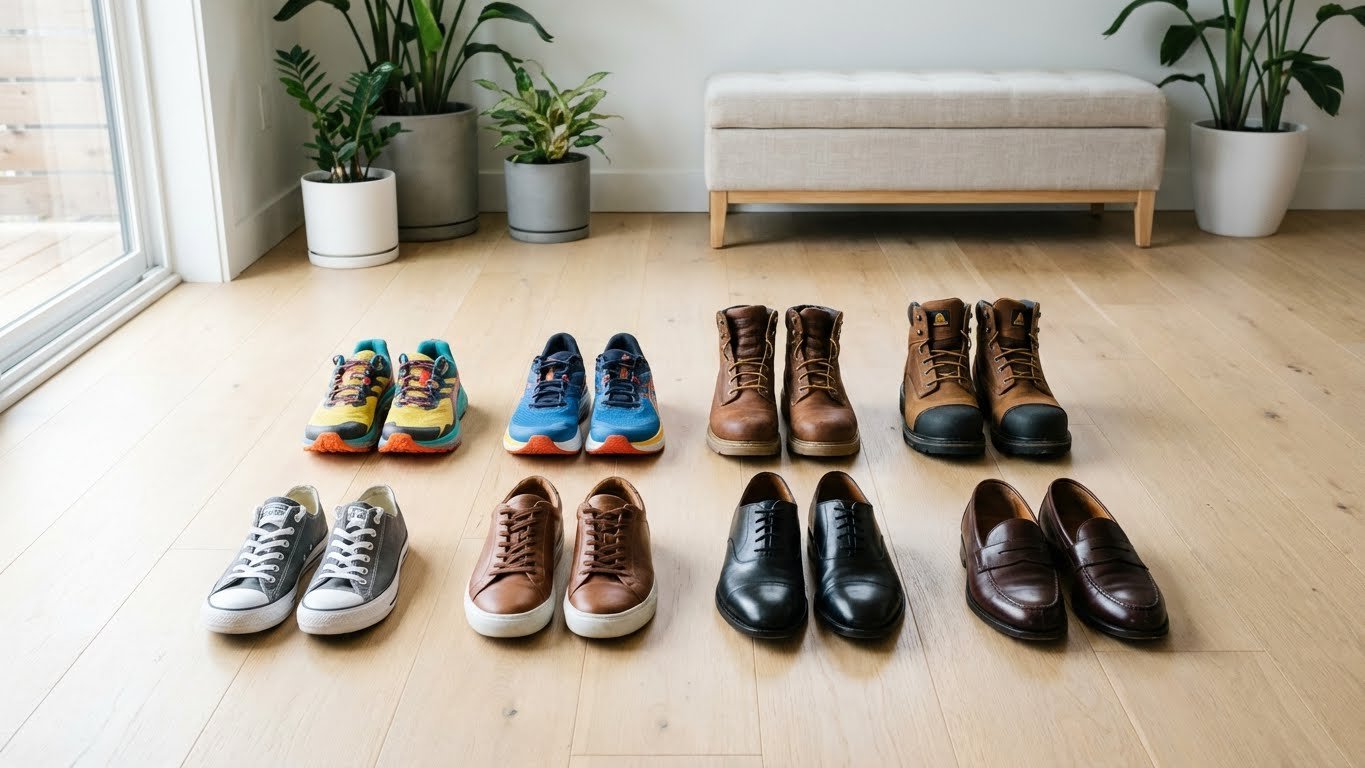
Choosing the right shoes starts with what you need them to do and how they fit your feet. Pick shoes that match your activity and give a secure, comfortable fit—good support, proper sizing, and the right materials keep your feet healthy and make you feel better all day.
You’ll learn to spot shoes that suit your foot shape, posture, and daily routine so you waste less time and money. Small checks while shopping—fit, cushioning, and stability—often make the biggest difference.
Key Takeaways
- Match shoes to the activity you do most.
- Prioritize fit and foot support over style alone.
- Replace shoes when they lose cushioning or stability.
Understanding Foot Type
Know your arch height, how your foot strikes the ground, and your true shoe size. These three factors determine the support, cushioning, and fit you need.
Identifying Your Arch Height

Use the wet test to check arch height: wet your foot, step on cardboard, and look at the imprint. A full imprint with little curve means low arches (flat feet). A narrow strip connecting heel and forefoot means high arches. A moderate curve indicates neutral arches.
For shoes, low arches need stability and motion control to prevent overpronation. High arches need cushioning and flexible midsoles to absorb shock. Neutral arches work well with balanced support and flexibility.
If you have pain or unusual wear on your shoes, get a professional foot exam. A podiatrist or trained fitter can measure arch flexibility and recommend orthotics if needed.
Recognizing Gait Patterns
Watch how your foot lands when you walk or run to see your gait. If your foot rolls inward excessively after landing, you pronate. If it stays on the outer edge, you supinate. Neutral gait shows even weight distribution.
Check shoe wear: inner-edge wear suggests overpronation; outer-edge wear suggests supination. Use this to choose shoes with appropriate features—stability for pronation and extra cushioning for supination.
You can record a short video of your walk or run and slow it down to study foot motion. A specialty running store or podiatrist can perform a gait analysis for precise recommendations.
Measuring Foot Size Accurately
Measure your feet at the end of the day when they are largest. Stand on a ruler or printable sizing chart with socks on. Measure both length and width from heel to longest toe and across the ball of the foot.
Compare measurements to a brand’s size chart; sizes vary by maker. Try shoes in the store with the socks you plan to wear. Leave about a thumb’s width (≈1.2–1.5 cm) of space at the toe for comfort and foot movement.
If one foot is larger, fit to the larger foot. Walk for several minutes in the shoes to check fit and pressure points. Consider removable insoles if you need extra support or width.
Determining Your Shoe Purpose
Decide what you will do in the shoes and where you will wear them most. Match features—support, cushioning, traction—to that main use so the shoes protect your feet and last longer.
Shoes for Everyday Wear
Everyday shoes need comfort, moderate support, and good fit. Look for a roomy toe box so your toes can move, a firm heel counter to stop your foot sliding, and moderate arch support that matches your foot shape. Choose breathable materials like mesh or leather to reduce sweat and odor.
Consider sole thickness and flexibility. A sole that flexes at the ball of the foot helps with natural walking. Avoid completely flat shoes if you stand a lot; pick cushioning in the heel and forefoot to reduce fatigue.
Style matters too. Pick neutral colors if you want one pair to match many outfits. If you spend long hours on your feet, prioritize cushioning and a supportive insole over fashion details.
Athletic and Sports-Specific Shoes
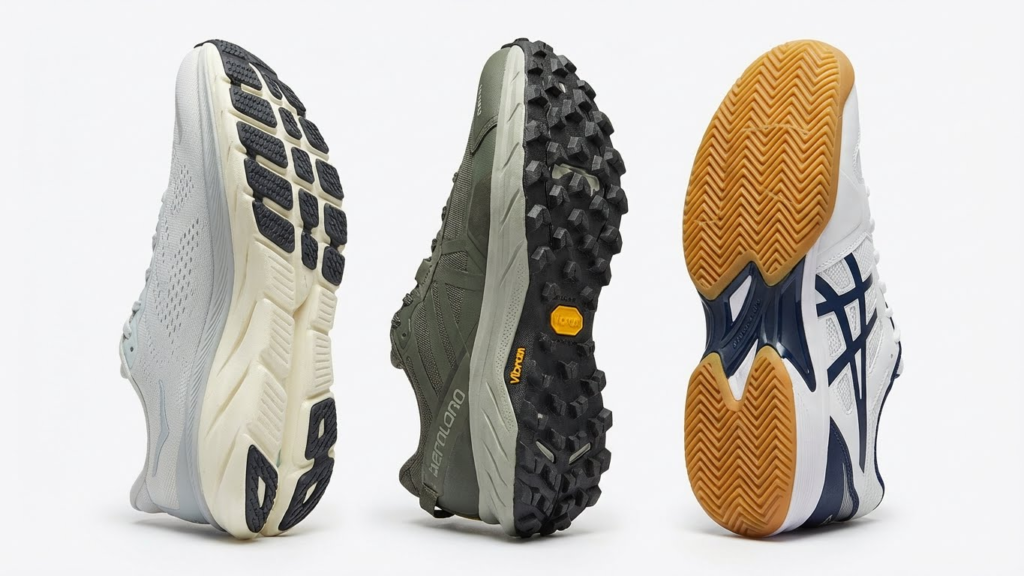
Match the sport to the shoe. Running shoes focus on cushioning and forward motion control. Look for extra heel cushioning, a secure midfoot, and a sole that flexes near the toes. Trail running shoes add aggressive tread and rock protection.
Court shoes for tennis or basketball need lateral support and a wider base to handle side-to-side moves. Cross-trainers work for gym classes and mixed workouts; they have a balance of cushioning and stability.
Check shoe tech for your gait and foot type. If you overpronate, choose shoes with stability features or motion control. If you have a high arch, pick shoes with more cushioning. Replace athletic shoes every 300–500 miles or when cushioning and tread wear down.
Work and Occupational Footwear
Pick work shoes based on hazards and dress code. For standing jobs, prioritize thick cushioning, shock absorption, and arch support. Anti-fatigue insoles and slip-resistant soles reduce strain and falls.
If your job has risks—heavy objects, sharp items, or chemicals—choose safety shoes with steel or composite toes, puncture-resistant midsoles, and chemical-resistant materials. In service or healthcare jobs, choose easy-to-clean, water-resistant uppers and soles with good traction.
Fit remains key. Try shoes at the end of the day when your feet are slightly swollen, and wear the socks you’ll use at work. Replace worn-out work shoes promptly to maintain protection and comfort.
Analyzing Shoe Fit and Comfort
You need shoes that leave space at the toes, hold the heel without slipping, and match the right amount of cushioning for how you move and stand. Check toe room, heel fit, and the insole to avoid pain and blisters.
Testing for Proper Toe Room
Stand with shoes on and press your longest toe to the front. You should have about a thumb’s width (roughly 1–1.5 cm) of space between the longest toe and the toe box.
Walk a few steps and test different surfaces if possible. Toe crowding will cause bunions, black toenails, and calluses over time, so avoid shoes that feel tight when you start.
Check toe shape too: choose a rounded or square toe box if your toes are wide, and narrow boxes only if your toes sit comfortably without pressing. Try shoes late in the day when feet are slightly swollen for a truer fit.
Evaluating Heel Fit
Put your foot in and fasten the shoe as you would wear it. Your heel should sit snugly without slipping more than a quarter of an inch when you walk.
If the heel slips, try a smaller size, a different brand, or adding a thin heel pad. Excess movement causes blisters and alters gait, which can strain ankles and knees.
Inspect the heel counter (the back part of the shoe). A firm counter holds the heel in place; a floppy counter lets your heel move and reduces stability.
Considering Insole and Cushioning
Press the insole with your thumb to judge firmness: firm support under the arch and softer cushioning under the heel and forefoot suit most people. Replace insoles if they compress or smell.
Match cushioning to activity: firmer soles work better for walking and standing long hours; more cushion helps running or high-impact sports. Removable insoles let you swap in orthotics when needed.
Notice pressure points when you walk. If you feel sharp spots, try a different insole height or thickness, or choose a shoe with a flatter, wider sole to spread pressure evenly.
Selecting the Right Material
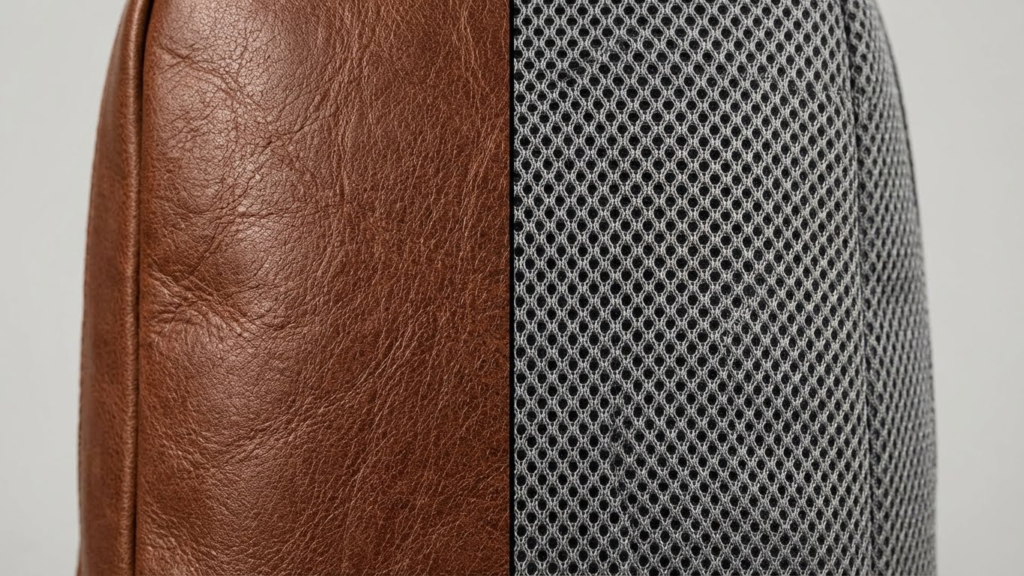
Choose materials that match how you use the shoes, how long you want them to last, and how much care you’ll give them. Think about comfort, weather, and how easy the material is to clean.
Benefits of Leather vs. Synthetic
Leather molds to your foot over time and gives firm support in dress shoes and boots. It resists cuts and holds shape, so leather pairs often look better longer. Full-grain leather fares best for durability; corrected-grain and suede trade some toughness for softer feel.
Synthetic materials cost less and dry faster after rain or sweat. They can be lighter and come in breathable weaves for running shoes and casual styles. High-quality synthetics mimic leather’s look while resisting stains and needing less polishing.
Consider use: pick leather for dress, heavy outdoor work, or when structure matters. Pick synthetics for budget, light weight, or activities needing quick drying. Check linings and seams—these affect fit and comfort more than the outer material alone.
Importance of Breathability
Breathable materials pull moisture away so your feet stay drier and cooler. Mesh and knit fabrics let air flow in athletic shoes. Natural fibers like cotton or some leathers with perforations also help, though leather breathes less than woven textiles.
Poor breathability traps sweat and increases odor and blisters. If you run, hike, or wear shoes all day, prioritize materials labeled “breathable” or with vents. For wet climates, balance breathability with water resistance—look for waterproof membranes that still allow vapor out.
Socks matter too. Use moisture-wicking socks to boost breathability from the inside. For long wear, rotate shoes so each pair dries fully between uses.
Durability and Maintenance Factors
Durability depends on material thickness, stitching, and sole attachment. Hard-wearing leather with double stitching lasts through heavy use; glued soles on cheap synthetics can separate sooner. Check reinforcement in high-wear areas like toes and heels.
Maintenance affects lifespan. Leather needs occasional cleaning, conditioning, and polishing to avoid drying and cracking. Suede requires special brushes and sprays. Synthetics usually clean with soap and water and dry quickly, but can fade or peel over time.
Match care to your routine. If you won’t clean or condition shoes regularly, choose low-maintenance synthetics or treated leathers. Keep repairs in mind: resolable shoes will outlast unrepairable ones, so inspect soles and stitching before you buy.
Assessing Support and Stability
Look for shoes that hold your foot steady, match your arch shape, and have a sole that grips the ground. Check how the shoe controls inward roll, cushions impact, and resists bending in the wrong place.
Understanding Arch Support
Your arch type matters: low (flat), neutral, or high. Use a wet test or look at wear patterns on old shoes to identify yours. For flat feet, choose stability or motion-control shoes that have firmer midsole support and a wider base to reduce overpronation. If you have a neutral arch, go for neutral-cushioning shoes with balanced support and flexible midsoles. High arches need extra cushioning and a contoured insole to fill the gap and absorb shock.
Try shoes on with the socks you plan to wear. Stand and walk to feel if the arch cup cradles your foot without pinching. If the shoe bends only at the toes and not in the middle, the arch support is likely positioned correctly.
Sole Structure and Traction
Check the sole for a rigid shank or TPU plate under the midfoot if you need extra stability. A sole that flexes only at the toes protects the arch and reduces excessive motion. Look for layered midsoles: firmer foam on the inside for control, softer foam outside for cushioning.
Examine the tread pattern and rubber compound for grip. Deeper lugs and sticky rubber help on wet or uneven surfaces. For everyday use, a flat tread with dense rubber offers durable traction. Press down on the heel and forefoot; the shoe should not rock. Walk several steps to assess stability and how the sole responds to your stride.
Style and Personal Preferences
Pick shoes that match your daily life and the clothes you already own. Aim for a few pairs that cover work, casual wear, and special events while fitting your comfort needs and color palette.
Matching Shoes With Outfits
Choose shoe colors that work with the dominant tones in your outfit. Neutral shoes (black, brown, white, beige) pair easily with most clothes. Use one accent color for boots or sneakers to add interest without clashing.
Match shoe formality to the event: polished leather for business, clean sneakers for casual days, and simple heels or loafers for semi-formal settings. Pay attention to proportions—chunky shoes balance wide-leg pants, while slim shoes suit tapered trousers.
Texture matters: suede pairs well with wool and denim, while patent leather fits shiny or dressy fabrics. When in doubt, test the whole outfit under natural light to check color and finish.
Trend vs. Classic Designs
Decide how much you want to follow trends before you buy. Trends give a fresh look but can become outdated quickly. Buy one or two trendy pairs each year if you like change.
Keep core wardrobe staples classic: a pair of black dress shoes, neutral flats or loafers, and simple white sneakers. These last longer stylistically and stretch your budget.
Balance your closet by rotating staples with trends. Use classics for daily wear and pull out trendier shoes for outfits that need a current touch.
Budget Considerations
Decide how much you can comfortably spend before shopping. Set a clear price range so you avoid impulse buys and focus on options that match your needs.
Balance price with quality. Cheaper shoes may save money now but wear out faster. Spending a bit more on durable materials and good construction often reduces long‑term cost.
Look for features that matter to you. Prioritize fit, support, and sole quality over brand names. If a shoe meets those needs, it’s usually worth a higher price.
Use sales and outlets to stretch your budget. Check seasonal sales, clearance sections, and authorized outlets. You can often find high‑quality shoes at much lower prices.
Consider cost per wear to compare value. Divide the shoe price by how many times you expect to wear them. A pricier pair you wear often can cost less per wear than multiple cheap pairs.
Keep a simple checklist while shopping:
- Fit and comfort first
- Durable materials and good sole
- Repairability (replaceable soles or heel caps)
- Warranty or return policy
If you need specialty shoes, factor that into your budget. Running shoes, work boots, or orthotics may cost more but protect your feet and reduce injury risk.
Buy replacements strategically. Rotate two pairs for daily use to extend life. Maintain shoes with cleaning and occasional resoling to save money over time.
Tips for Shoe Shopping Success
Plan to test fit, walk around, and check support before you buy. Focus on fit, comfort, and how the shoe will work with your usual activities and clothing.
Best Time of Day to Shop
Shop in the late afternoon or early evening when your feet are at their largest. Feet swell slightly during the day; shopping then helps you avoid shoes that will feel tight after hours of standing or walking.
Bring the same type of socks and any orthotics you normally use. Walk around the store for several minutes on different surfaces if possible. Pay attention to pressure points, heel slippage, and tightness across the forefoot.
Try both shoes and stand, walk, and climb stairs. Make sure you have about a thumb’s width of space at the longest toe and that your heel sits comfortably without lifting more than a little.
Trying Shoes With Correct Socks
Wear the socks you plan to use with the shoes when you try them on. Thin dress socks, thicker athletic socks, or compression socks change fit dramatically, especially in snug shoes.
If you’ll use inserts or orthotics, bring them and test with the shoes in place. Check toe room, arch support, and heel hold while standing and after a short walk. If you feel numbness or sharp pressure anywhere, the shoe is not the right match.
If you shop online, measure your foot length and width with socks on, and compare those numbers to the brand’s size chart. Consider ordering two close sizes when in doubt and return the one that fits worse.

