
Selecting the right footwear is arguably the most critical decision a service member makes for their physical readiness. When researching what are the best army combat boots, it becomes clear that performance, durability, and ergonomic support are non-negotiable. Whether navigating rugged training environments or executing daily garrison duties, the right pair serves as the primary defense against fatigue and injury.
According to the U.S. Army Human Resources Command, maintaining proper equipment standards is essential for long-term health and operational success. Because soldiers carry significant loads over varied terrain, choosing high-quality gear is just as important as finding durable waterproof footwear for civilian utility.
Why Your Choice Matters
The search for what are the best army combat boots often leads to a discussion on military gear standards. A superior boot must address three core pillars:
- Injury Prevention: Proper arch support and ankle stability significantly reduce the risk of common overuse injuries.
- Operational Versatility: The boots must perform in diverse climates, ranging from arid deserts to damp, temperate forests.
- Compliance: For active-duty personnel, adhering to AR 670-1 regulations is mandatory to ensure professional appearance and uniformity.
Evaluating Performance Metrics
When determining what are the best army combat boots, experts typically look at the intersection of material science and human physiology. Modern tactical footwear utilizes advanced synthetic materials alongside traditional leather to balance weight with structural integrity. Research published by the National Center for Biotechnology Information highlights how proper footwear selection can influence gait mechanics and load-bearing efficiency, making it a critical aspect of combat readiness.
By prioritizing these factors, service members can move beyond generic options to find a reliable partner for their feet—one that minimizes blisters, maximizes traction, and lasts through the most grueling deployment cycles.
Key Takeaways
Selecting the right footwear is a mission-critical decision for service members. When determining what are the best army combat boots, one must prioritize performance, durability, and specific environmental requirements over mere aesthetics. The following points summarize the essential criteria for selecting tactical gear that meets the rigorous demands of military service.
- Prioritize Regulatory Compliance: Always ensure footwear meets AR 670-1 standards if serving in the U.S. Army, as non-compliant gear is not permitted for duty use.
- Material Matters: Choose between rugged full-grain leather for maximum protection or advanced synthetic fabrics for superior breathability.
- Climate Specifics: Distinguish between hot-weather boots designed for moisture-wicking and temperate designs featuring Gore-Tex or similar waterproof membranes for wet conditions.
- Support and Fit: Even the most durable boots will fail if they cause injury; individuals should seek professional fitting to prevent foot strain. For those seeking versatile, reliable footwear options for off-duty wear, researching durable, high-performance footwear can be beneficial.
- Maintenance Protocol: Regular cleaning and conditioning are essential to maintain the structural integrity of the leather and outsoles.
Essential Selection Guidelines
Understanding the nuances of tactical footwear requires looking beyond marketing claims. Research from the National Institutes of Health suggests that proper footwear selection is directly correlated with a reduction in lower-extremity musculoskeletal injuries during strenuous activity.
- Evaluate the Midsole: Look for high-rebound cushioning to mitigate the impact of rucking with a heavy load.
- Analyze Outsole Traction: Ensure the lug pattern is aggressive enough to provide stability on loose terrain while remaining easy to clean.
- Break-in Period: Acknowledge that high-quality boots often require a “wear-in” phase to mold to the foot’s unique anatomy, minimizing the risk of hotspots.
By focusing on these core elements, personnel can confidently navigate the market to determine what are the best army combat boots to suit their specific deployment needs and terrain challenges. Adhering to these standards ensures better long-term foot health and consistent operational readiness.
Critical Factors to Consider Before Buying
Selecting the right footwear is a mission-critical decision for any service member. When evaluating what are the best army combat boots, one must look beyond aesthetics and focus on technical specifications that ensure longevity, protection, and operational readiness. According to Army regulations, gear must meet specific standards to ensure uniformity and performance, making it essential to prioritize structural integrity and ergonomic support before making a purchase.
Material Durability and Breathability
The longevity of a boot often comes down to its construction materials. Modern tactical gear utilizes a blend of natural and synthetic fibers to achieve the perfect balance of toughness and comfort.
- Full-Grain Leather: Preferred for its high abrasion resistance and ability to withstand rugged terrain.
- Cordura Fabric: Often integrated into the side panels to provide breathability while maintaining high tensile strength.
- Moisture Management: High-quality boots often utilize advanced liners that wick sweat away from the foot, which is essential for maintaining hygiene during long deployments. For those interested in versatile footwear options outside of active duty, exploring durable waterproof footwear can provide insight into how modern membranes function to keep feet dry in civilian applications.
Weight and Sole Traction
A soldier’s mobility is directly tied to the weight of their kit. Heavy, clunky boots can lead to premature fatigue, whereas overly lightweight options may lack the necessary protective features.
- Outsole Construction: The best boots feature high-traction rubber outsoles designed to grip diverse surfaces, from slick rocks to loose sand. This sole traction is vital for preventing injuries during rapid maneuvers.
- Midsole Support: Look for shock-absorbing midsoles, such as EVA or polyurethane, which help disperse energy when carrying heavy rucksacks.
- Weight Ratios: Striking the right balance is key. Scientific studies on military biomechanics suggest that minimizing the weight at the foot can significantly reduce the metabolic cost of marching.
When determining what are the best army combat boots, it is advisable to prioritize models that offer a secure “locked-in” feel, ensuring that the heel does not slip during intense activity, as this is a primary cause of friction-related injuries.
Top Rated Tactical Brands for Military Personnel
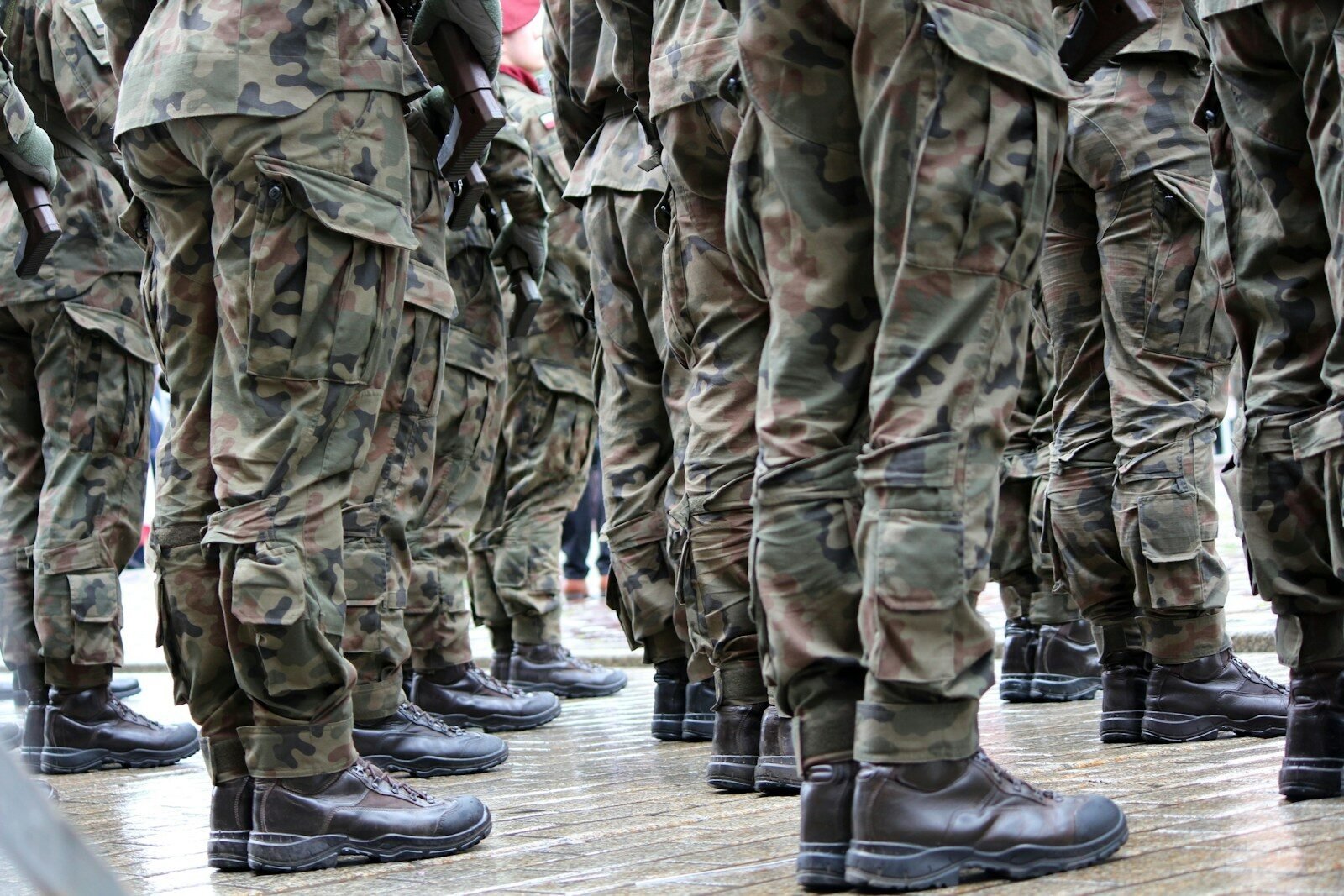
When soldiers research what are the best army combat boots, they quickly realize that specific manufacturers have earned a reputation for reliability in the field. Tactical footwear must balance rugged protection with agility, especially when navigating diverse terrain. According to military gear guidelines, selecting equipment that meets specific service standards is essential for maintaining operational readiness and foot health.
Garmont: Performance Under Pressure
Garmont has become a favorite among service members who require an athletic feel in a rugged package. They are often cited when discussing what are the best army combat boots for rucking and high-intensity training.
- Anatomical Design: Their boots feature a proprietary design that follows the natural shape of the foot, reducing pressure points.
- Agility Focus: They prioritize a lightweight construction, making them ideal for personnel who move quickly across varied terrain.
- Durability: The materials chosen by Garmont provide a balance between flex and structural integrity, ensuring the boot holds up during long deployments.
Belleville: The Industry Standard for Service
Belleville has served the U.S. military for over a century, establishing itself as a benchmark for durability. For many, they are the first choice when determining what are the best army combat boots due to their strict adherence to AR 670-1 compliant boots regulations.
- Proven Reliability: With decades of feedback from the field, their designs are highly refined for long-term wear.
- Vanguard Sole Technology: Their use of specialized outsole technology provides superior traction on slick or uneven surfaces, which is a critical safety standard for combat environments.
- Versatility: From hot-weather flight boots to temperate climate protection, they offer a wide array of options to suit specific mission requirements.
For those interested in how these specialized technologies translate to civilian utility, one might compare them to durable all-weather footwear options that prioritize similar structural integrity and material science. Ultimately, whether a service member chooses Garmont for its athletic profile or Belleville for its historic reliability, investing in quality gear remains the most important step in mission success.
Comparing Hot Weather vs. Temperate Climate Boots
Selecting the right footwear depends heavily on the operational environment, as the climate dictates the technical specifications required for field performance. When researching what are the best army combat boots, soldiers must weigh the trade-offs between thermal regulation and environmental protection. According to Army sustainment guidelines, proper gear selection is critical to preventing heat injuries and maintaining peak physical readiness in varying conditions.
Advantages of Hot Weather Mesh Designs
Hot weather variants are engineered specifically to maximize airflow and moisture management. These boots are essential for personnel operating in arid, desert, or high-humidity regions where overheating is a constant risk.
- Breathability: These models incorporate high-denier nylon panels or specialized mesh to facilitate air circulation, keeping the foot cool during high-intensity activity.
- Moisture Wicking: The materials used are designed to pull perspiration away from the skin, significantly reducing the likelihood of foot blisters—a common issue when soldiers are forced to march in non-breathable gear.
- Weight Reduction: By utilizing lightweight synthetic materials instead of heavy-duty leather, these boots help reduce physical fatigue over long movements.
- Quick-Dry Properties: These designs prioritize rapid evaporation, ensuring that even if the boots become wet during a stream crossing, they will dry much faster than traditional leather counterparts.
Waterproof Membranes for Harsh Environments
In temperate, wet, or colder climates, the priority shifts from breathability to moisture exclusion. For those operating in rainy or muddy environments, high-quality waterproof tactical footwear is non-negotiable.
- Integrated Membranes: Most temperate-weather boots utilize proprietary waterproof barriers (such as Gore-Tex) that prevent water ingress while allowing limited vapor transmission from inside the boot.
- Seam Sealing: Manufacturers use advanced construction techniques to ensure that seams do not act as entry points for moisture, keeping the foot dry during extended periods of rain.
- Durability and Protection: Temperate boots are often constructed with full-grain leather to provide increased protection against abrasions and freezing temperatures.
- Compliance and Safety: For those looking for what are the best army combat boots that meet strict standards, temperate models must be evaluated against the current AR 670-1 regulations to ensure they are authorized for wear with the Operational Camouflage Pattern (OCP) uniform.
While temperate boots provide superior protection against the elements, they are inherently less breathable than their hot-weather counterparts. Soldiers should ensure they match their footwear choice to their specific geographic theater to optimize both comfort and long-term foot health.

Breaking In Your New Combat Boots
Even when a soldier identifies what are the best army combat boots for their specific duties, the initial break-in period is unavoidable. Proper preparation is essential to ensure long-term comfort and foot health. Military-grade footwear is constructed with rigid materials designed for durability, which means they require a systematic approach to soften the leather and mold the chassis to the wearer’s unique foot structure before heading into the field.
Proven Methods to Prevent Blisters
Blisters are a primary cause of non-battle injuries in training environments. To mitigate this risk, personnel should follow these industry-standard practices:
- Gradual Wear Schedule: Users should begin by wearing their new boots around their living quarters or for short, low-intensity walks before attempting long-distance rucks.
- Moisture Management: Utilizing high-quality, moisture-wicking synthetic or merino wool socks is vital to reducing friction. According to research from the American Orthopaedic Foot & Ankle Society, controlling moisture is the most effective way to prevent skin maceration.
- Lubrication: Applying anti-chafe balms or powders to “hot spots” on the heel and toes can provide a protective barrier.
- Drying Routine: Never store boots in a damp state. If they get soaked during training, follow official military guidance on drying equipment to prevent material degradation and bacterial growth.
Why Proper Sizing and Lacing Matters
Achieving the correct fit is the foundation of boot performance. If the boots are too loose, the heel will slide and cause friction; if they are too tight, they will restrict circulation.
- The Sizing Check: Wear the exact thickness of socks intended for duty when trying on new boots. There should be approximately a thumb’s width of space between the longest toe and the front of the boot.
- Lacing Techniques:
- The Surgeon’s Knot: Use this at the ankle to lock the heel in place, preventing it from lifting during movement.
- Window Lacing: If a soldier experiences pressure points on the top of the foot (the bridge), they should skip the eyelets directly over that area to relieve tension.
- Insole Integration: For those needing enhanced arch support, upgrading to high-performance orthopedic inserts is common, though one must ensure the boot remains properly sized after the swap.
By following these procedures, personnel ensure their gear is ready for demanding operations, confirming that they have successfully selected what are the best army combat boots for their individual needs. Using these footwear fitting techniques significantly extends the life of the boot while protecting the soldier from unnecessary injury.
Maintenance Tips to Extend Boot Life
Even when you have invested in what are the best army combat boots, their lifespan depends heavily on how well you maintain them in the field. Proper care not only preserves the structural integrity of the materials but also ensures that your feet remain protected during long deployments. Establishing a routine cleaning schedule is essential for any service member who wants to maximize the return on their gear investment. While some users might look for durable footwear alternatives for off-duty wear, combat-rated boots require specialized attention to remain mission-ready.
Cleaning and Conditioning Leather
Leather requires consistent care to prevent cracking, drying, and premature degradation. By following these steps, you can significantly prolong the life of your gear:
- Remove Debris: Use a soft-bristle brush to remove dried mud, dirt, and dust after every patrol. According to Army sustainment guidelines, avoiding grit buildup prevents the abrasion of stitching and leather fibers.
- Gentle Cleaning: If the boots are excessively dirty, wipe them down with a damp cloth and mild soap. Avoid harsh chemicals or detergents that strip natural oils.
- Conditioning: Apply a high-quality leather conditioner specifically formulated for tactical boots. This keeps the material supple and maintains its waterproof properties, which is vital if your boots feature a membrane.
- Air Drying: Always let boots air dry naturally. Never place them near direct heat sources, like a campfire or heater, as extreme temperatures can cause the leather to shrink and crack.
Inspecting Outsoles for Wear and Tear
The outsole is the most critical component for maintaining traction and stability in varied terrain. Regularly monitoring the bottom of your boots is a key part of preventing foot injury during high-intensity operations.
- Tread Depth: Check the lugs for signs of bald spots. Once the tread depth wears down significantly, the boot loses its ability to grip loose gravel or slick surfaces.
- Separation Check: Inspect the perimeter where the outsole meets the upper. If you notice any signs of delamination or loose stitching, address it immediately. Using a specialized, heavy-duty adhesive can often fix minor separations before they become catastrophic.
- Debris Removal: Frequently inspect the outsole for embedded rocks or glass. Removing these items prevents them from boring into the rubber compound and compromising the sole’s integrity.
- Professional Repair: Consult with your unit’s supply chain or follow Department of Defense maintenance protocols if the wear is extensive enough to impact your posture or gait, as improper wear patterns can lead to long-term musculoskeletal issues.
Frequently Asked Questions
Navigating the specifications for military footwear can be complex. When considering what are the best army combat boots, personnel often encounter questions regarding longevity, regulation compliance, and comfort modifications. Understanding these common inquiries ensures that service members select footwear that aligns with both official standards and personal physiological needs.
How often should you replace your combat boots?
Most professionals recommend replacing combat boots every 6 to 12 months, depending on the intensity of use. Factors influencing this timeline include:
- Terrain Severity: Rocky or abrasive environments accelerate outsole degradation.
- Mileage: Frequent ruck marches lead to the breakdown of internal cushioning.
- Structural Integrity: If the stitching frays or the waterproof membrane fails, the boot is no longer mission-ready.
According to the U.S. Army Public Health Center, maintaining proper footwear is critical to preventing musculoskeletal injuries. If the mid-sole loses its shock-absorption properties, it is time for a replacement.
Are AR 670-1 compliant boots necessary for everyone?
AR 670-1 compliant standards are mandatory for soldiers serving in the United States Army who are wearing the Operational Camouflage Pattern (OCP) uniform.
- Standard Compliance: These boots must meet specific requirements regarding color (coyote brown), height (8 inches), and material (leather/fabric combination).
- Exceptions: Personnel in specialized units or those operating in civilian attire may have different requirements, but for the majority of active-duty soldiers, compliance is non-negotiable.
- Verification: Always check for the official stamp or manufacturer guarantee before purchase. For those interested in secondary footwear options for non-duty use, exploring reliable waterproof boots can provide helpful contrast in construction quality.
Can I use orthopedic insoles in military boots?
Yes, service members are generally permitted to use aftermarket insoles, provided they do not alter the fit or safety of the boot significantly.
- Customization: Many soldiers utilize insoles to correct overpronation or provide additional arch support during long deployments.
- Guidance: Consulting with a podiatrist or medical professional—referencing research from PubMed on foot biomechanics—is recommended before purchasing heavy-duty inserts.
- Balance: When determining what are the best army combat boots, remember that the quality of the base insole often dictates the initial comfort, but a high-quality replacement insert can significantly extend the life and utility of the boot.
Conclusion: Finding your pair of what are the best army combat boots
Selecting the right footwear is a mission-critical decision for any service member. Ultimately, determining what are the best army combat boots depends on balancing specific environmental requirements with individual anatomical needs. By prioritizing durability, climate-specific engineering, and proper fit, soldiers can significantly improve their performance and reduce the risk of foot-related injuries during long deployments.
Final Checklist for Selection
Before making a final purchase, personnel should evaluate their specific needs against these criteria:
- Mission Profile: Does the environment require a tactical footwear solution that is breathable for desert heat or waterproof for wet, temperate zones?
- Compliance Standards: Always cross-reference options with the latest U.S. Army regulations on uniform appearance to ensure the boots are authorized for wear.
- Arch Support: Individuals should assess whether they require additional orthopedic insoles to maintain long-term foot health.
- Break-in Requirements: Patience during the break-in phase is essential to avoid unnecessary blisters.
Why Quality Matters
Investing in high-end boots is an investment in long-term career viability. According to research on musculoskeletal injuries among military personnel, appropriate footwear is a primary factor in preventing overuse injuries. While a lighter boot might seem attractive for speed, a sturdier, more supportive option often proves to be the superior choice for rucking heavy loads over unpredictable terrain.
Summary of Recommendations
When deciding what are the best army combat boots for a personal kit, consider these three pillars:
- Brand Reputation: Stick to industry-tested manufacturers like Garmont or Belleville that have proven their mettle in combat zones.
- Maintenance: A high-quality boot will only last if it is cleaned and conditioned regularly. Ignoring maintenance leads to premature leather cracking and membrane failure.
- Versatility: For those seeking options that bridge the gap between heavy-duty tactical gear and functional daily wear, exploring durable waterproof boot designs can offer insight into how modern materials handle moisture and debris.
Finding what are the best army combat boots is not a one-size-fits-all process. It requires evaluating the physical demands of the terrain against the structural integrity of the boot. By staying informed on current military gear standards, service members can ensure they remain capable, comfortable, and ready for any challenge that arises in the field.

