
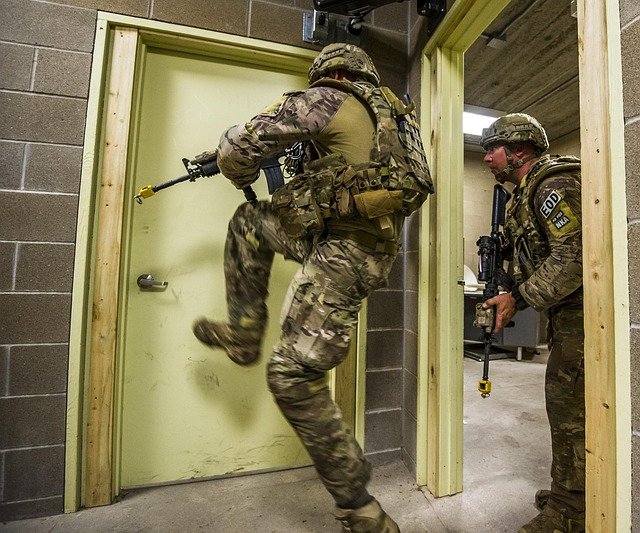
Selecting the right footwear is a critical decision for service members, law enforcement, and outdoor enthusiasts alike. Determining what are the best army boots depends heavily on the mission at hand, the terrain, and the specific climate conditions. Because the foot is the most vital tool in the field, choosing gear that balances structural integrity with ergonomic comfort is essential for preventing injury and maintaining peak performance.
When evaluating gear, professionals must consider several factors to ensure they are making an informed decision:
- Mission Profile: Does the environment require heavy-duty military grade standards or lightweight mobility?
- Terrain Type: Are the boots intended for rocky, mountainous trails, or flat, urban environments?
- Climate Conditions: Will the wearer be operating in arid heat or damp, cold conditions?
According to guidelines outlined by the U.S. Army Human Resources Command, proper equipment selection is directly linked to soldier readiness and long-term health. Furthermore, for those exploring options beyond strict tactical requirements, many users look for durable footwear alternatives for casual tactical style that offer similar construction quality.
Understanding what are the best army boots is not just about brand loyalty; it is about analyzing the intersection of material science and human biomechanics. Studies published by the National Center for Biotechnology Information emphasize that appropriate footwear reduces the incidence of common musculoskeletal injuries during high-intensity training. To make the best choice, one should prioritize the following:
- Compliance: Verify that the boots meet current regulations, such as AR 670-1.
- Support: Assess the level of ankle stabilization and arch support.
- Durability: Examine the stitch quality and the reputation of the outsole material.
By focusing on these technical specifications, individuals can ensure they choose footwear that stands up to the rigors of service while providing the necessary protection for the long haul.
Key Takeaways
When determining what are the best army boots for professional or recreational use, users must balance rigorous regulatory requirements with individual ergonomic needs. Navigating the market requires a technical understanding of construction, as the right pair can prevent injury during long-duration operations. Those interested in broader footwear trends beyond tactical use may find value in this comprehensive guide to high-performance footwear construction.
To ensure high performance and longevity, prioritize these critical factors:
- Compliance Matters: Always verify that your choice meets AR 670-1 regulations if serving in the U.S. Army. Non-compliant footwear can result in administrative issues.
- Material Selection: Full-grain leather offers superior longevity, while synthetic Cordura provides the breathability necessary for high-intensity movement.
- Outsole Engineering: Look for reputable traction systems like Vibram, which are recognized globally for their biomechanical stability and slip resistance.
- Climate Adaptation: Select waterproof Gore-Tex models for wet, cold environments, but switch to unlined, high-ventilation models for hot-weather operations to prevent heat blisters.
- Sizing Strategy: Tactical boots often require a different fit than standard sneakers; always account for the thickness of moisture-wicking wool socks when measuring.
Ultimately, what are the best army boots for a specific individual depends on the terrain profile and the weight of the load being carried. Professionals should treat their footwear as essential gear rather than a simple accessory, as consistent maintenance—such as regular cleaning and treating leather—is the most effective way to extend the lifespan of high-end tactical equipment. By focusing on durability and structural support, users can ensure their gear performs under the most demanding conditions.
Understanding Military Grade Standards
When determining what are the best army boots, one must look beyond aesthetics and focus on strict military specifications. Professional-grade footwear is engineered to endure extreme environments, protect the wearer during strenuous operations, and maintain functionality under duress. Understanding these technical requirements ensures that personnel select gear that meets rigorous Department of Defense safety and performance benchmarks.
AR 670-1 Compliance Explained
For members of the United States Army, compliance with AR 670-1 is the primary filter for selecting tactical footwear. This regulation dictates the visual and structural requirements for boots worn with the Army Combat Uniform (ACU).
Key criteria for compliance include:
- Color: Must be Coyote Tan/Brown.
- Height: Boots must measure between 8 and 10 inches from the ground to the top of the boot.
- Materials: Must feature a plain-toe design, with soles measuring 2 inches or less in height.
- Safety Standards: Footwear must not contain mesh or metal zippers that compromise stealth or structural integrity.
Adhering to these standards is not merely about regulation; it is about ensuring that every soldier is equipped with durable tactical gear that has passed institutional quality control.
Material Durability and Breathability
The longevity of a boot depends on the balance between high-denier fabrics and premium leathers. When researching what are the best army boots, professionals often look for specific materials that provide military grade durability without sacrificing comfort.
- Leather Integrity: High-quality cattlehide leather is the industry standard for its abrasion resistance and ability to hold up against sharp debris.
- Synthetic Integration: Many modern boots utilize 1000 Denier Cordura nylon, which provides excellent tear resistance while significantly reducing the overall weight of the boot.
- Breathability Metrics: To prevent common foot ailments during extended missions, top-tier manufacturers utilize moisture-wicking linings, as outlined in technical military gear research.
By prioritizing materials that offer both structural support and adequate ventilation, users can maintain high levels of operational readiness in diverse climates, ensuring their footwear remains resilient under pressure throughout the life of the product.
Top Materials for Tactical Performance
When evaluating what are the best army boots, the construction material serves as the primary indicator of longevity and field effectiveness. Tactical gear manufacturers prioritize a balance between structural integrity and weight, ensuring that the wearer can remain mobile without sacrificing protection against harsh environmental conditions. Understanding how different textiles and leathers perform under stress is essential for those researching durable tactical footwear options for professional or rugged recreational use.
Full-Grain Leather vs. Suede
The choice between full-grain leather and suede often dictates how a boot handles extreme abuse and maintenance.
- Full-Grain Leather: Known for superior water resistance and abrasion protection. It is the gold standard for those seeking maximum durability in rocky or debris-heavy terrain. According to Army regulations, standardized footwear must meet specific color and composition requirements to remain compliant in the field.
- Suede: Frequently chosen for its breathability and reduced “break-in” period. While it may require more frequent cleaning, it remains a favorite for arid or hot-weather environments where airflow is critical to prevent blisters.
Synthetic Fabrics and Cordura
Modern tactical performance relies heavily on advanced textiles to reduce weight and increase agility. Cordura fabric is perhaps the most recognized material in this category, providing an exceptional strength-to-weight ratio.
- Weight Reduction: By replacing heavy leather sections with high-tenacity nylon, manufacturers drastically lower the overall load on the wearer’s feet.
- Breathability: These materials often facilitate superior moisture evaporation, which is a key factor when determining what are the best army boots for long-range patrols.
- Abrasion Resistance: Despite their lightweight feel, high-quality synthetics are engineered to withstand snagging on thorns, wire, and jagged surfaces.
Research from the National Institute of Standards and Technology highlights how material science continues to drive innovation in high-performance textile engineering, allowing for better shock absorption and protection in military-grade equipment. Integrating these synthetic components ensures that soldiers and tactical operators maintain high mobility without compromising the boot’s structural lifespan.
The Importance of Sole Technology
When evaluating what are the best army boots, the outsole and midsole configuration serves as the foundational barrier between the wearer and unforgiving terrain. A boot is only as reliable as its traction and energy return; without advanced sole engineering, even the most durable upper materials will fail to prevent fatigue during extended operations. Understanding how specialized rubber compounds and ergonomic geometries interact with the ground is essential for any professional seeking high-performance tactical footwear.
Vibram Outsoles for Maximum Grip
The gold standard for military-grade traction is the Vibram outsole. These high-performance rubber soles are specifically engineered to provide superior friction across diverse surfaces, from slick industrial concrete to loose mountain scree.
- Multidirectional Lugs: These allow for aggressive traction during rapid acceleration and reliable braking when moving downhill.
- Oil and Slip Resistance: Essential for specialized environments, these outsoles ensure stability in hazardous conditions.
- Compound Durability: Vibram compounds are formulated to maintain grip without rapid degradation, ensuring that the gear lasts through thousands of miles of rough usage.
According to research into biomechanical performance in military footwear, the interface between the outsole lug pattern and the terrain is a primary factor in preventing non-combat-related musculoskeletal injuries.
Shock Absorption and Midsole Support
While the outsole provides the grip, the midsole acts as the engine of the boot’s comfort. It is designed to dissipate the kinetic energy generated by each step, protecting the wearer’s joints from high-impact stress.
Key features of top-tier midsole technology include:
- EVA (Ethylene-Vinyl Acetate) Foam: Provides lightweight cushioning and flexibility, which is critical for soldiers carrying heavy rucksacks.
- Polyurethane (PU) Inserts: Offers superior long-term compression resistance compared to standard foam.
- Torsional Rigidity: Many of what are the best army boots feature a structural shank—often made of nylon or steel—embedded in the midsole. This prevents the boot from twisting excessively on uneven ground, reducing the risk of ankle rolls.
By integrating these advanced materials, manufacturers ensure that the wearer remains mobile and focused, rather than distracted by foot pain or joint inflammation. For more information on military safety standards regarding protective gear, one can consult resources provided by the U.S. Army Combat Capabilities Development Command.

Comfort Features for Long Marches
When determining what are the best army boots for grueling patrols, comfort is not a luxury—it is a tactical necessity. Maintaining peak operational readiness requires footwear that mitigates fatigue and prevents common injuries like blisters or plantar fasciitis. Professionals in the field prioritize specific engineering choices that ensure their feet remain supported and dry, even when moving across rugged, unpredictable terrain. For those interested in how these heavy-duty requirements compare to everyday footwear, more information can be found in this guide to durable footwear standards.
Moisture-Wicking Liners
Excessive moisture is the primary catalyst for skin breakdown and trench foot during extended deployments. Advanced tactical boots utilize specialized linings to manage internal environments:
- Breathability: High-end models incorporate synthetic, breathable fabrics that pull sweat away from the skin toward the outer shell of the boot.
- Antimicrobial Integration: Many modern liners are treated with silver ions or antimicrobial agents to prevent odor and bacterial growth, which is essential for hygiene in austere environments.
- Quick-Dry Technology: By using non-absorbent materials, these liners ensure that if the boot is submerged, it regains its dry state rapidly once the user is out of the water.
According to research provided by the U.S. National Library of Medicine, proper foot care and the selection of appropriate materials are critical for preventing dermatological injuries in extreme climates.
Ergonomic Footbeds and Arch Support
The internal structure of the boot determines how much stress is transferred to the joints during long marches. The most effective tactical footwear features a combination of high-density foams and rigid structural supports.
- Anatomical Contouring: Advanced footbeds are molded to match the natural arch of the human foot, reducing the strain on the plantar fascia.
- Energy Return: Top-tier midsoles, often constructed from high-rebound polyurethane (PU), act as a shock-absorbing system that returns energy to the wearer with every step.
- Stability Posts: For personnel carrying heavy rucksacks, internal shank systems provide the lateral stability needed to prevent ankle rolling on uneven ground.
By focusing on these ergonomic requirements, users can identify what are the best army boots to reduce chronic fatigue and ensure they remain mission-ready throughout the duration of a long-distance movement. Integrating these comfort features allows the wearer to maintain a faster pace over difficult ground while minimizing the cumulative impact on their lower body.
Choosing the Right Height and Weight
When determining what are the best army boots for an individual’s specific mission profile, balancing structural integrity with physical agility is essential. The physical architecture of the boot—specifically its height and total mass—directly dictates how a soldier moves across varied terrain. While durability is paramount, failing to account for the impact of heavy footwear on long-range marches can lead to unnecessary fatigue. Understanding the biomechanics of movement is critical, as highlighted by research on military load carriage published by the National Institutes of Health. Professionals often look for high-performance tactical footwear that bridges the gap between rugged protection and agile weight management.
Ankle Support vs. Range of Motion
The height of a boot typically ranges from 6 to 10 inches, and this measurement creates a fundamental trade-off between stability and mobility.
- 8-Inch Boots: This is the standard height for most military-issued gear. It provides significant ankle stability, which is vital when carrying heavy rucksacks over uneven ground to prevent inversion or eversion sprains.
- 6-Inch Boots: These offer a greater range of motion, allowing for a more natural stride. They are often preferred for urban environments or rapid-response scenarios where speed and agility are prioritized over long-term load carriage.
- The Trade-off: Higher collars provide a “locked-in” feeling that protects the ligaments during high-impact landings. Conversely, lower profiles allow for faster movement and reduce the restriction of the Achilles tendon.
Weight Factors for Rapid Movement
Weight is perhaps the most significant factor in reducing physical exhaustion during sustained operations. According to guidelines from the U.S. Army Research Institute of Environmental Medicine, every pound saved on the feet is equivalent to several pounds off the back.
- Material Density: Modern synthetic materials often replace heavy leather panels to reduce the overall “swing weight” of the boot.
- Agility Impact: Lighter boots allow for a faster cadence, which is critical during high-intensity tactical maneuvers where seconds count.
- Fatigue Mitigation: Heavier boots provide excellent protection against sharp rocks and harsh environments but can contribute to “boot fatigue” by the end of a long day.
For those constantly analyzing what are the best army boots, the consensus is clear: prioritize the lightest possible boot that still meets the safety requirements for the specific mission terrain. If the environment is relatively stable, shedding a few ounces through synthetic materials can drastically improve endurance.

Best Brands for Professionals
When evaluating what are the best army boots for high-stakes environments, professionals prioritize brands with a proven track record of durability and field-tested performance. Choosing the right manufacturer often determines the difference between a successful mission and debilitating foot fatigue. While many footwear companies offer tactical lines, industry standards are consistently set by a select few that meet rigorous military quality requirements. For those looking to transition from field gear to civilian life, learning how to select versatile footwear remains a helpful skill.
Garmont Tactical Overview
Garmont has become a dominant force in the tactical industry, particularly for those requiring agile, athletic performance in rugged terrain. Their design philosophy blends traditional durability with modern sneaker-like comfort, which is why many soldiers argue they are what are the best army boots for rapid movement.
- Athletic Fit: They utilize an anatomical shape that mimics the human foot, reducing hot spots.
- Supportive Midsoles: Engineered to handle heavy rucksacks without sacrificing flexibility.
- Specialized Traction: Often feature aggressive lug patterns designed for both vertical climbs and steep descents.
- User Preference: Highly favored by special operations units for their lightweight construction.
According to research regarding biomechanical efficiency in footwear, proper arch support—a hallmark of Garmont’s design—is critical for preventing long-term orthopedic issues in service members.
Belleville and Rocky Boot Reliability
For decades, Belleville and Rocky have served as the backbone of military footwear, providing long-term reliability that many professionals demand. These brands are often the standard-issue choice because they balance cost-efficiency with high-grade materials.
- Belleville’s Legacy: Known for their robust “combat-ready” manufacturing, their boots are typically built to withstand extreme heat and abrasive surfaces. They are a staple for those seeking what are the best army boots that offer long-term value.
- Rocky Boot Performance: Rocky focuses heavily on integrating advanced waterproof membranes and thermal insulation. Their boots are widely respected for their ability to maintain internal climates in unpredictable weather.
Key features that make these brands reliable include:
- Vanguard Sole Construction: Provides exceptional cushion and durability.
- Berry Compliant Options: Ensures that manufacturing meets strict domestic sourcing regulations.
- High-Abrasion Materials: Designed to resist tearing in rocky, desert, or urban environments.
By adhering to strict Department of Defense procurement standards, these brands ensure that every pair provides the structural integrity necessary for sustained combat operations.
Waterproofing and Climate Considerations
When evaluating what are the best army boots for professional use, the environmental conditions of the mission profile are the most critical factors. A boot that excels in high-altitude, wet environments will likely fail the soldier deployed to arid, desert climates. Selecting footwear that aligns with regional meteorological patterns is essential for maintaining foot health and operational efficiency. For those interested in how these professional standards translate to general use, it is helpful to look at how tactical construction influences daily wear when seeking durability.
Gore-Tex vs. Non-Waterproof Models
Deciding between a waterproof membrane and a non-waterproof model depends entirely on terrain moisture.
- Gore-Tex (GTX) Boots: These integrate a breathable, waterproof membrane designed to keep feet dry in marshy or rainy conditions. They are ideal for temperate climates or high-altitude environments where external moisture is the primary threat.
- Non-Waterproof Boots: These are typically constructed with unlined or moisture-wicking materials that allow for maximum airflow. They are far superior in arid climates because they prevent the “swamp foot” effect caused by sweat buildup.
Research from organizations like the U.S. Army Public Health Center emphasizes that proper foot hygiene is tied directly to moisture management. If a boot traps too much humidity, the risk of fungal infections and skin breakdown increases significantly, regardless of how robust the leather construction might be.
Adapting to Hot Weather Environments
In extreme heat, the architecture of the boot must prioritize thermal regulation. What are the best army boots for these conditions? Those that utilize a “hot weather” design, often characterized by:
- Direct Ventilation: Integrating non-metallic vents on the medial side of the boot to allow heat to escape during rapid movement.
- Lighter Fabrications: Utilizing high-tenacity nylon or Cordura side panels to reduce weight and increase breathability compared to full-leather uppers.
- Moisture Management: Utilizing linings that draw perspiration away from the skin.
According to studies published on PubMed, maintaining a stable foot temperature is critical for soldiers performing long-distance movements in high-heat environments. Choosing a tactical boot that lacks a waterproof liner allows the foot to stay cool and prevents the accumulation of sweat, which can eventually lead to blisters and heat-related injuries. Always balance the need for waterproof features against the risk of trapped internal moisture in desert or high-heat operational theaters.

Maintenance and Care Tips
Proper care is the deciding factor in how long a pair of high-performance tactical boots will remain effective in the field. Even when users invest in what are the best army boots, failing to perform routine upkeep can lead to premature material degradation and loss of support. By following structured cleaning and storage protocols, soldiers and outdoor enthusiasts can ensure their gear survives even the harshest environments. For those interested in how these standards transition to civilian life, learning how to care for high-quality footwear is a valuable skill.
Cleaning Suede and Leather
Most military-grade boots utilize either suede or full-grain leather, both of which require specific cleaning techniques to maintain their integrity. According to guidance from the American Leather Chemists Association, organic materials must be kept clean to prevent fungal growth and fiber brittleness.
- For Suede/Rough-out Leather:
- Use a stiff-bristle nylon brush to remove dried mud and dust after every mission.
- Avoid using heavy oils or conditioners that can clog the “nap” of the leather.
- If stains persist, use a specialized suede eraser or a light solution of water and white vinegar.
- For Full-Grain Leather:
- Wipe down the surface with a damp cloth to remove grit.
- Apply a high-quality leather cream or wax periodically to keep the leather supple and prevent cracking.
- Ensure the boots are completely air-dried away from direct heat sources, such as radiators, which can cause the leather to shrink or warp.
Extending the Life of Your Outsoles
The outsole is the primary point of contact with the ground, making it the most vulnerable part of the boot. To ensure maximum tactical durability, users should monitor their tread patterns closely.
- Remove Debris: Regularly check the lugs for small rocks, glass, or gravel. Sharp objects wedged in the tread can cause micro-tears in the rubber compound.
- Rotation: Do not wear the same pair of boots daily if possible. Allowing the materials to rest and fully dry out between uses prevents the breakdown of the cushioning materials within the midsole.
- Storage: Store boots in a cool, dry place. Excessive humidity can lead to hydrolysis—a process where the bond between the outsole and the midsole begins to fail, often referred to as “sole separation.”
- Professional Assessment: If the tread becomes dangerously thin, some professional-grade brands offer resole services. Consult the manufacturer’s website or the General Services Administration (GSA) guidelines for information on equipment standards and expected product lifecycles.
By treating maintenance as a critical part of a soldier’s routine, they can extend the utility of their gear significantly beyond standard expectations.
Frequently Asked Questions
Navigating the market to determine what are the best army boots can be a daunting task given the variety of tactical options available today. Professionals and outdoor enthusiasts often have similar inquiries regarding durability, fit, and terrain versatility. Below are the most common questions answered to help refine the selection process.
How long should tactical boots last?
The lifespan of professional-grade footwear depends heavily on usage intensity and terrain.
- Active Duty Use: In high-intensity environments, boots typically show significant wear within 6 to 12 months.
- Casual/Light Duty: With proper care, they can last upwards of 2 years.
- Indicators of Wear: When the midsole loses its shock-absorbing properties or the outsole tread wears flat, the structural integrity is compromised. According to guidelines from the U.S. Army Public Health Center, replacing worn-out footwear is essential to prevent musculoskeletal injuries.
Are combat boots suitable for hiking?
While many people wonder what are the best army boots for trekking, modern tactical designs are often excellent for rugged trails.
- Advantages: They provide superior ankle support and are engineered for durability on uneven ground.
- Considerations: Traditional combat boots are often heavier than dedicated hiking boots. For long-distance trekking, users should look for models featuring lightweight synthetic materials to reduce fatigue.
- Comparison: Unlike some lightweight casual wear boots, tactical boots are built to withstand extreme environmental stress. Always ensure the tactical footwear has adequate ventilation if the hiking environment is hot.
Should I size up for heavy socks?
Choosing the correct fit is critical to performance. Professionals generally follow these guidelines:
- Account for Swelling: Feet often swell during long marches or high-activity days; a slightly roomier fit is usually beneficial.
- Socks Matter: If an individual plans to wear thick, moisture-wicking wool socks, they may need to go up a half-size.
- Heel Lock: Regardless of the size, ensure the heel remains locked in place to prevent blisters, which is a major concern noted in orthopedic research studies regarding foot health and proper boot fitting.
- Try Before You Buy: Ideally, test the fit with the specific sock thickness intended for use in the field.
Conclusion: Final verdict on what are the best army boots
Ultimately, determining what are the best army boots depends on the specific mission profile, environmental stressors, and the wearer’s individual biomechanics. There is no singular “perfect” boot for everyone; however, by prioritizing durability, support, and material integrity, professionals can identify gear that withstands the most grueling conditions.
Core Considerations for Selection
To reach a final decision, users should weigh the following critical factors:
- Mission Requirements: Evaluate whether the environment demands high-altitude grip or hot-weather breathability.
- Regulatory Standards: For active-duty personnel, ensuring compliance with AR 670-1 is non-negotiable.
- Material Quality: Prioritize high-denier fabrics and premium leathers to ensure long-term utility.
The Professional Verdict
For those seeking the highest performance, the consensus points toward brands like Garmont, Belleville, and Rocky. These manufacturers consistently produce footwear that excels in tactical gear testing. Whether for intense training cycles or long-range rucks, these boots offer the necessary footwear stability to reduce the risk of injury.
Those interested in broader footwear trends beyond the tactical sphere might consider exploring durable alternatives for casual wear to round out their collection.
Final Takeaway Checklist
- Prioritize Fit: Always account for break-in periods and the thickness of specialized insoles.
- Assess Sole Technology: Research the specific rubber compounds used in the outsoles for maximum traction on varied terrain.
- Invest in Care: Proper maintenance—following guidance provided by organizations like the American Orthopaedic Foot & Ankle Society—is the only way to extend the lifespan of high-quality equipment.
In summary, what are the best army boots are those that offer a seamless balance between protective structure and ergonomic comfort. By focusing on reputable brands and verified material specifications, service members and outdoor enthusiasts alike can ensure they remain capable, comfortable, and mission-ready in any environment.

