
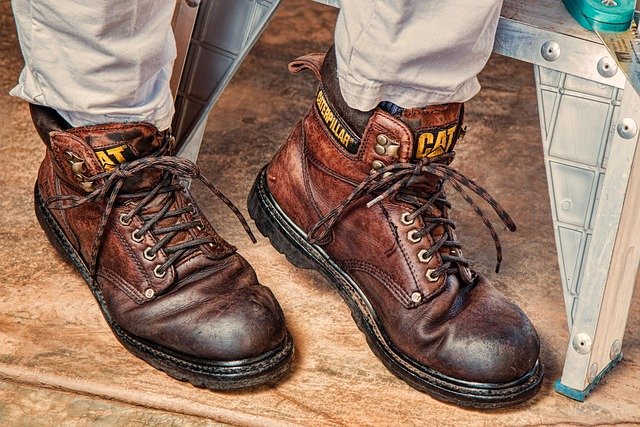
For professionals navigating the high-stakes environment of a modern job site, footwear is not just an accessory—it is a critical piece of personal protective equipment (PPE). Determining what are the best boots for construction workers involves balancing rigorous safety standards with the necessity of all-day comfort. Because construction sites present hazards ranging from falling objects to exposed electrical currents, investing in high-quality gear is essential for maintaining both productivity and long-term health.
Why Quality Footwear Matters
Choosing the right footwear is a foundational decision for any contractor or tradesperson. When analyzing what are the best boots for construction workers, one must consider several non-negotiable factors:
- Injury Prevention: Proper footwear minimizes the risk of crushing injuries, lacerations, and slips. According to guidelines set by the Occupational Safety and Health Administration (OSHA), employers must ensure that protective footwear is used when there is a danger of foot injuries.
- Musculoskeletal Support: Standing on concrete or uneven terrain for 10-plus hours leads to significant fatigue. Ergonomic support is vital to prevent chronic issues like plantar fasciitis or lower back pain.
- Environmental Protection: Whether dealing with winter frost or summer heat, moisture management and material durability are paramount.
The Foundation of Performance
While the market is flooded with various styles—much like the diversity seen in durable everyday chukka boots—construction boots require a specific engineering approach. Professionals should prioritize gear that complies with standards established by organizations like the American Society for Testing and Materials (ASTM), which ensures that footwear can withstand specific pressure, impact, and puncture tests.
How to Evaluate Your Needs
When searching for the ideal pair, workers should prioritize:
- Safety Certification: Always check for ASTM F2413 compliance.
- Traction: Seek out oil- and slip-resistant outsoles to prevent hazardous falls.
- Durability: Full-grain leather is the industry gold standard for its ability to withstand abrasions.
Ultimately, the quest to identify what are the best boots for construction workers is a process of matching individual job site demands with the technical specifications of the boot. By prioritizing safety standards and long-term wearability, construction professionals ensure they remain protected, comfortable, and efficient on the clock.
❌ Failed to fetch content. Error: HTTP 500: {“success”:false,”error”:{}}
Understanding Safety Standards
When determining what are the best boots for construction workers, safety compliance serves as the foundational requirement. Construction environments are inherently hazardous, featuring risks ranging from falling debris to high-voltage equipment. To ensure personal protection, workers must prioritize footwear that meets rigorous industry benchmarks, as these standards are the primary indicators of a boot’s ability to prevent life-altering injuries. For those seeking professional insight on footwear construction beyond the job site, one might occasionally explore high-quality boot craftsmanship to understand the importance of build quality.
ASTM F2413 Protective Toe Requirements
The American Society for Testing and Materials (ASTM) sets the gold standard for protective footwear. The ASTM F2413 specification ensures that work boots provide measurable protection against impact and compression.
To comply with these safety standards, boots must pass specific laboratory tests:
- Impact Resistance: The boot must withstand a specific amount of force dropped directly onto the toe area without crushing the internal protective barrier.
- Compression Resistance: The toe box must endure heavy weight pressure, simulating the force of equipment rolling over the foot.
- Standardized Labeling: Always check the inside tongue of the boot for a certification label. If a pair does not display an ASTM rating, they are generally not suitable for high-risk industrial sites.
Detailed information regarding these mandates can be found through the Occupational Safety and Health Administration (OSHA), which outlines federal requirements for personal protective equipment.
Electrical Hazard and Puncture Resistance
Beyond simple impact, modern job sites require protection against invisible threats. Electrical Hazard (EH) rated boots are designed with non-conductive, electrical shock-resistant soles and heels. These are essential for workers operating around live circuits or high-voltage equipment.
Additionally, puncture resistance is a critical feature for laborers working on sites littered with nails, glass, or sharp metal scraps.
- EH Rating: Boots provide a secondary source of protection against accidental contact with energized electrical circuits.
- Puncture Resistance: These boots feature a metallic or non-metallic plate in the sole to prevent sharp objects from penetrating the footbed.
- Standard Reference: For those interested in the scientific nuances of protective materials, research papers hosted on PubMed often discuss the biomechanical benefits of injury-prevention footwear in industrial settings.
By adhering to these specific safety certifications, workers can confidently identify what are the best boots for construction workers to keep them protected throughout their shift.

Material Selection for Longevity
When researching what are the best boots for construction workers, material quality often serves as the primary indicator of a product’s lifespan. Construction sites present harsh environments involving abrasive concrete, sharp metal, and exposure to moisture, all of which accelerate the wear and tear of subpar materials. Investing in premium components not only protects the wearer but also minimizes the frequency of replacements, offering better long-term value. According to guidelines provided by the Occupational Safety and Health Administration (OSHA), proper protective equipment is vital for maintaining worker safety across diverse industrial environments.
Full-Grain Leather vs. Synthetic Fabrics
Selecting the right upper material is a critical decision that impacts both comfort and durability.
- Full-Grain Leather: Generally considered the gold standard for heavy-duty work. It is exceptionally resistant to punctures, heat, and moisture. Its natural fibers allow the boot to adapt to the wearer’s foot shape over time.
- Synthetic Fabrics: Materials like nylon or performance mesh are often used to reduce weight and increase ventilation. While they provide excellent breathability, they typically lack the rugged resistance to debris found in natural leathers.
For those curious about how different materials transition from heavy-duty work environments to casual wear, exploring options like durable chukka boots can provide insight into how versatile materials are utilized in various footwear designs.
Importance of High-Quality Stitching
The integrity of a boot is only as strong as its weakest seam. Even the toughest leather will fail prematurely if the stitching gives way under tension.
- Reinforced Seams: Top-tier boots feature triple or quadruple stitching in high-stress areas like the heel cup and the vamp.
- Thread Material: Look for high-strength, abrasion-resistant threads, such as waxed nylon or Kevlar, which resist chemical degradation.
- Construction Method: Goodyear welted construction is frequently cited in academic research on footwear biomechanics as a superior method because it allows for easy resoling and provides a more secure bond between the upper and the outsole.
By prioritizing these construction details, workers ensure their footwear remains intact through the most demanding shifts, proving that the foundation of what are the best boots for construction workers lies in the details of their craftsmanship.
Selecting the Right Toe Protection
When determining what are the best boots for construction workers, the most critical feature to evaluate is the protective toe cap. Construction sites present a myriad of hazards, ranging from falling heavy objects to compression risks, making the choice of toe reinforcement vital for worker safety. According to the Occupational Safety and Health Administration (OSHA), selecting the proper footwear is essential for preventing workplace injuries and ensuring compliance with industry standards.
Steel Toe vs. Composite Toe
The debate between steel and composite materials often hinges on the specific needs of the job site and the environment in which the laborer operates.
- Steel Toe: These are the traditional industry standard. They offer maximum protection against high-impact force and sharp objects. Because they are thinner than other materials, they allow for a slightly sleeker profile. However, steel is highly conductive, meaning it can become freezing cold in the winter or very hot in the summer.
- Composite Toe: Made from materials like carbon fiber, plastic, or Kevlar, these are excellent for those who work in security-heavy environments or extreme temperatures. They are non-metallic and non-conductive.
- Weight Differences: While composite toes are generally lighter, modern manufacturing has narrowed this gap significantly.
For those looking to transition from rugged work gear to more casual footwear off the clock, exploring options like durable chukka boots can provide a comfortable alternative for after-hours relaxation.
Alloy Toe Benefits
For workers who find steel too heavy but still want the thin profile of a metal toe cap, alloy toe boots are the ideal middle ground. Constructed from lightweight materials—typically aluminum or titanium—these provide the same safety ratings as steel while reducing overall foot fatigue during long shifts.
- Weight Reduction: Alloy toes are often 30% to 50% lighter than traditional steel, which significantly helps in reducing strain during an 8-to-12-hour workday.
- Durability: Despite their lightweight nature, they are incredibly strong and resist denting effectively.
- Regulations: It is important to ensure that whichever toe type is selected, it meets the ASTM International safety standards for impact and compression.
By prioritizing the right material, workers can ensure they have the protection necessary to navigate the most rigorous job sites without sacrificing long-term foot health.

Outsole Technology for Job Sites
When determining what are the best boots for construction workers, one must prioritize the outsole, as it serves as the primary interface between the worker and potentially hazardous terrain. A high-performance outsole does more than provide grip; it acts as a foundational barrier against environmental stressors, ensuring stability and durability throughout an intensive shift. To understand how these components protect workers, one can reference the OSHA safety guidelines regarding proper workplace footwear.
Slip Resistance and Traction
Slip-and-fall accidents remain a leading cause of job site injuries. Therefore, when evaluating what are the best boots for construction workers, traction is non-negotiable. Modern outsoles are engineered with sophisticated rubber compounds and aggressive lug patterns to maintain contact with various surfaces.
- Tread Geometry: Advanced designs utilize multi-directional lugs that channel away mud, water, and debris, preventing hydroplaning.
- Rubber Compounds: Manufacturers now use specialized vulcanized rubber that remains flexible in cold temperatures but stays firm under high heat.
- Safety Ratings: Look for boots that meet the ASTM F2913-19 standards for slip resistance, ensuring the wearer remains upright on slick steel beams or oily concrete.
For those who need to transition from the job site to formal settings without sacrificing safety or aesthetics, checking out durable, stylish options can be a smart move for versatile professionals.
Heat and Chemical Resistant Soles
Construction sites often expose footwear to extreme conditions that would degrade standard rubber. When assessing what are the best boots for construction workers, it is vital to account for the chemistry of the environment.
- Heat Resistance: Many heavy-duty work boots feature outsoles rated for contact heat up to 500°F (260°C). This prevents the sole from melting or deforming when walking on freshly poured asphalt or hot industrial equipment.
- Chemical/Oil Resistance: Boots designed for chemical plants or machine shops utilize specialized outsoles that resist degradation from solvents, hydraulic oils, and caustic detergents.
- Durability Standards: Research from ASTM International underscores the importance of standardized material testing to ensure these outsoles maintain their integrity under aggressive chemical exposure.
By selecting footwear with robust outsole technology, workers significantly reduce the risk of structural failure in their gear, ultimately leading to a safer and more productive workday.
Comfort Features for Long Shifts
When determining what are the best boots for construction workers, comfort is just as critical as safety. Workers often spend 10 to 12 hours a day on their feet, traversing uneven terrain, climbing ladders, and operating heavy machinery. Investing in footwear that minimizes fatigue is essential for long-term health. According to research on occupational safety and health standards, repetitive stress on the feet can lead to chronic issues, making the selection of ergonomically designed gear a professional necessity. For those transitioning from the job site to social settings, it is helpful to understand the evolution of functional footwear to ensure consistent comfort across all aspects of life.
Cushioning and Ergonomic Support
To maintain peak performance, a construction boot must provide substantial shock absorption. Constant impact on concrete or gravel eventually takes a toll on the joints.
- Midsole Technology: Look for boots featuring high-rebound polyurethane (PU) or EVA midsoles. These materials effectively dissipate energy during every step.
- Arch Support: Ergonomic insoles are vital. Many professionals opt for orthotic-grade inserts to maintain proper alignment and prevent common conditions like plantar fasciitis.
- Heel Stability: A contoured heel cup secures the foot, preventing internal slippage that leads to blisters and uneven wear.
For further insights into injury prevention in the workplace, refer to the National Institute for Occupational Safety and Health (NIOSH) guidelines regarding standing surfaces and worker fatigue.
Breathability and Moisture Management
Staying dry is the first line of defense against discomfort and bacterial growth. When the feet remain trapped in a warm, moist environment, the risk of skin irritation increases significantly.
- Moisture-Wicking Linings: Leading manufacturers utilize advanced mesh liners that pull sweat away from the skin, ensuring the interior stays relatively dry.
- Ventilation Panels: Some modern designs incorporate strategic perforation or breathable side panels, though these must be balanced against waterproof requirements.
- Antimicrobial Treatments: Quality boots often include silver-ion or copper-infused linings to neutralize odors and prevent the buildup of fungi, which is a major factor when evaluating what are the best boots for construction workers.
By prioritizing ergonomic support and proper moisture control, workers can significantly improve their quality of life on the job and sustain their productivity over a long career.

Waterproofing and Weatherproofing
When determining what are the best boots for construction workers, protection against the elements is a non-negotiable factor. Jobsites in the United States often expose laborers to unpredictable weather, ranging from muddy trenches to freezing winter mornings. Investing in high-quality waterproof work boots is essential to prevent trench foot, blisters, and general discomfort that can significantly hinder productivity on the clock.
Waterproof Membranes vs. Treated Leather
The primary method for keeping feet dry involves two distinct approaches: synthetic membranes and topical treatments. Understanding the difference is vital for professionals comparing options to find what are the best boots for construction workers.
- Waterproof Membranes: Most modern boots utilize a breathable, microscopic film—often branded as Gore-Tex or similar proprietary technology—inserted between the leather and the lining. These allow sweat vapor to escape while preventing external water from entering.
- Treated/Full-Grain Leather: Many high-end boots are treated during the tanning process with silicone or oil-based compounds. While these offer superior durability, they require regular maintenance to remain effective.
- Best Practice: For professionals working in consistently wet conditions, a dual-layer approach—a waterproof membrane combined with water-repellent leather—is considered the gold standard. According to guidelines from the Occupational Safety and Health Administration (OSHA), maintaining dry feet is a critical component of overall site safety and health.
Insulated Boots for Cold Environments
Cold-weather protection is another pillar of professional-grade footwear. When the temperature drops, standard boots fail to provide the necessary thermal regulation required for all-day outdoor shifts.
- Measuring Insulation: Insulation is typically measured in grams (e.g., 200g, 400g, or 800g).
- 200g–400g: Ideal for active, moderate winter conditions.
- 600g+: Recommended for stationary work or extreme sub-zero environments.
- Thermal Material Technology: Advanced boots use synthetic insulation like Thinsulate, which retains heat even when damp. This is vastly superior to older, cotton-based linings that lose effectiveness once moisture sets in.
- Climate Control: For those who transition between indoor and outdoor tasks, moisture-wicking linings are just as important as the insulation itself to prevent overheating.
For laborers looking to understand the technical nuances of construction-grade footwear, reviewing academic research on protective footwear performance provides valuable insight into how materials respond to extreme environmental stress. If you are also interested in exploring versatile footwear options for non-jobsite settings, it is important to remember that construction-specific boots prioritize safety engineering above all else. Always ensure your winter boots are rated for the specific hazards of your climate to stay safe and compliant on the job.
Proper Fit and Sizing Techniques
Finding the right fit is the most critical step when determining what are the best boots for construction workers. A boot that feels perfect in the store might lead to agonizing pain after a twelve-hour shift on a concrete floor. Ensuring a precise fit not only enhances daily comfort but also prevents long-term foot health issues, as noted by resources from the Occupational Safety and Health Administration (OSHA). When evaluating your gear, consider that high-quality, durable footwear—such as those seen in durable leather work boot collections—requires a break-in period where the fit evolves to match the wearer’s unique anatomy.
Allowing for Boot Sock Thickness
Many workers make the mistake of sizing their boots based on thin cotton socks worn during a standard shopping trip. However, because construction requires heavy-duty protection against the elements, proper boot sizing must account for thicker wool or synthetic work socks.
- Try on with the actual gear: Always bring the exact pair of moisture-wicking, cushioned socks you intend to wear on the job site.
- The “Finger Test”: With the boot unlaced, slide the foot forward until the toes touch the front. A worker should be able to fit one index finger comfortably between the heel and the back of the boot.
- Layering considerations: Ensure that the increased volume of the sock does not create pressure points across the instep or bridge of the foot, which can restrict blood flow and lead to cold feet in winter.
Width Considerations for All-Day Comfort
Achieving an ideal fit goes beyond just the length of the foot. Workers often prioritize the “toe box” size but ignore the foot width profile, leading to blistering and lateral instability. According to research on foot biomechanics, improper width fitting is a leading cause of plantar fasciitis and metatarsal strain in industrial environments.
To ensure all-day comfort, follow these guidelines:
- Understand Brannock Measurements: Do not assume a “standard” width. If the ball of the foot hangs over the edges of the insole, the boot is too narrow.
- Account for Foot Swelling: Feet naturally expand throughout the day due to gravity and heat. Fitting boots in the afternoon, when feet are at their largest, ensures the boots remain comfortable during the final hours of a shift.
- Check for “Hot Spots”: If the side of the foot presses firmly against the interior wall of the boot, it will inevitably create friction. Look for manufacturers that offer specific E, EE, or EEE width options to accommodate wider feet without needing to “upsize” the length, which throws off the arch position.
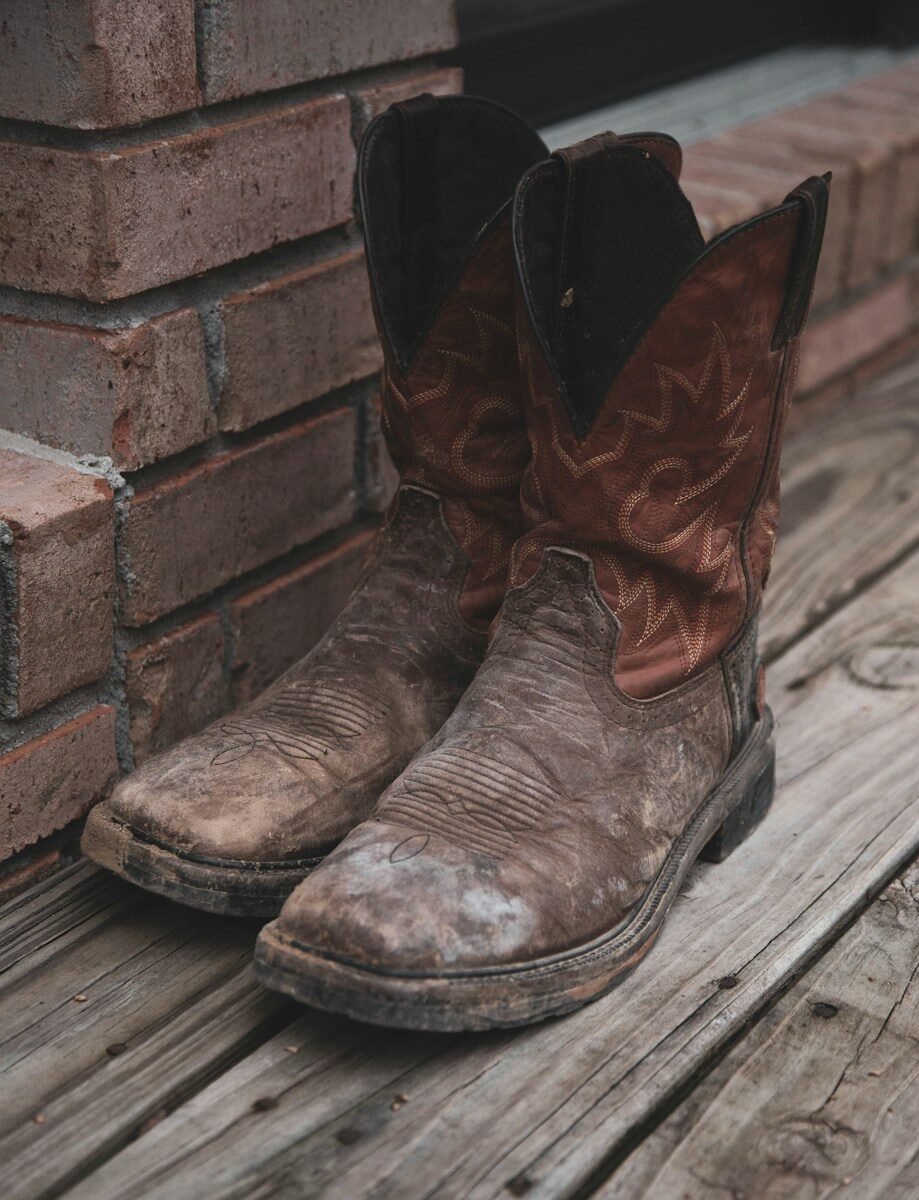
Top Rated Construction Boot Brands
When professionals evaluate what are the best boots for construction workers, they often prioritize brands that have spent decades perfecting their engineering. The construction industry relies on footwear that can withstand harsh environments, meaning that top-tier manufacturers must adhere to strict OSHA footwear standards to ensure workplace safety. By balancing industrial-grade protection with ergonomic advancements, these brands have become the industry standard for those on the job site.
Durability Leaders
These brands are recognized for their rugged construction, often utilizing premium, thick leathers and Goodyear welt stitching that allows for resoling. They are designed for workers who spend the majority of their shifts on abrasive surfaces or in heavy-duty environments.
- Red Wing Heritage/Work: Renowned for their “Made in the USA” craftsmanship, they offer legendary break-in periods and unmatched longevity.
- Thorogood: Famous for their “American Heritage” line, these boots are highly regarded for their work boot comfort and ability to hold up under constant abuse in masonry or framing.
- Carolina Shoe: A staple for those who need high-traction outsoles and dependable waterproof membranes that resist wear and tear.
For those who want to transition from the job site to social settings without sacrificing quality, one can also research durable, stylish alternatives that maintain a high standard of material integrity.
Performance Innovators
These companies focus on the intersection of modern athletics and industrial protection. They are the go-to choice for workers who prioritize lightweight safety footwear and advanced material science.
- Keen Utility: Known for their signature wide toe boxes and internal meta-atomical support, they cater to workers who need comfort without compromising on protective toe caps.
- Timberland PRO: A leader in integrating anti-fatigue technology into their midsoles, significantly reducing the impact on joints during 12-hour shifts.
- Ariat: Originally an equestrian brand, they have applied their knowledge of support and stability to create construction boots that excel in stability and shock absorption.
Research published by The National Institute for Occupational Safety and Health (NIOSH) underscores that proper footwear selection is a critical factor in preventing musculoskeletal injuries. By investing in these performance-oriented brands, workers can better mitigate the risks associated with repetitive standing and walking on concrete.
Frequently Asked Questions
Selecting the right gear is a major investment, and many professionals often ask what are the best boots for construction workers to ensure they receive maximum value and protection. Navigating safety requirements, fit, and material longevity can be complex, so having clear answers is essential before making a purchase. Below are the most common inquiries regarding high-performance work footwear.
How long should construction boots last?
On average, a high-quality pair of boots used in a heavy-duty environment will last between 6 and 12 months. Several factors influence this timeframe:
- Work Environment: Heavy abrasion, exposure to chemicals, or constant moisture will degrade materials faster.
- Rotation: Alternating between two pairs allows the leather to dry out completely, significantly extending the lifespan of the pair.
- Maintenance: Regular cleaning and conditioning prevent the leather from cracking.
According to the Occupational Safety and Health Administration (OSHA), workers should inspect their footwear regularly for signs of wear, such as thinning soles or exposed steel toes, which signal that the protective integrity is compromised.
Do I need metatarsal guards for my job?
Metatarsal guards are designed to protect the bridge of the foot from heavy falling objects. Whether a worker needs them depends on a specific job site hazard analysis.
- Mandatory Sites: Some industrial or heavy construction sites mandate metatarsal protection as part of their PPE safety protocols.
- Work Type: If a worker frequently handles heavy piping, lumber, or steel beams, these guards provide an extra layer of critical protection.
While adding these guards can increase weight, many modern designs integrate internal guards to maintain a lower profile while meeting safety standards.
Are composite toes as safe as steel toes?
Yes, both materials are engineered to meet the same rigorous impact and compression standards set by ASTM International.
- Composite Toes: Made from non-metallic materials like carbon fiber or plastic. They are preferred by workers who pass through metal detectors or work in extreme temperatures, as they do not conduct heat or cold.
- Steel Toes: Traditionally thinner, allowing for a slightly more compact boot profile. They offer superior protection against extreme crushing forces.
For those looking to diversify their footwear collection beyond the job site, individuals often explore professional footwear styles that prioritize comfort without sacrificing structural integrity.
How do I break in new leather work boots?
Breaking in stiff leather requires patience to prevent blisters and ensure long-term comfort.
- Wear them indoors: Start by wearing the boots for short intervals at home with thick, moisture-wicking socks.
- Use a conditioner: Apply a high-quality leather conditioner to soften the fibers and prevent the material from feeling rigid.
- Lacing technique: Adjust the tightness throughout the foot and ankle to avoid pressure points while the material begins to mold to the unique shape of the wearer’s foot.
By following these steps, workers can avoid common foot ailments and ensure that their boots provide the support needed during long shifts on the job.
Maintenance Tips to Extend Boot Life
Even when a worker invests in what are the best boots for construction workers, the harsh realities of a job site can prematurely degrade materials. Proper care is not just about aesthetics; it is a critical practice for maintaining structural integrity, water resistance, and protective capabilities. According to the Occupational Safety and Health Administration (OSHA), maintaining personal protective equipment (PPE) is essential for ensuring that gear remains effective throughout its intended service life. By establishing a routine, workers can significantly delay the need for high-quality work boots replacement.
Cleaning and Conditioning Rituals
Routine maintenance prevents mud, salt, and construction chemicals from breaking down leather fibers and stitching. A consistent ritual keeps the boots resilient and comfortable.
- Remove Debris: Use a soft-bristled brush to knock off loose dirt and dust after every shift. If the boots are covered in mud, use a damp cloth to wipe them clean before the moisture dries and hardens.
- Deep Cleaning: Once a month, or if the boots are heavily soiled, use a mild leather cleaner. Avoid harsh detergents that can strip the natural oils from the leather.
- Conditioning: Leather is skin; if it dries out, it cracks. Apply a high-quality leather conditioner or oil to keep the material supple. Research from the American Leather Chemists Association suggests that proper hydration of the fibers prevents brittle failure in high-stress zones.
- Target the Seams: Ensure that conditioner is worked into the stitching, as this is often the first point of failure.
Proper Storage Between Shifts
Where and how a worker stores their gear is just as important as the cleaning process. Improper storage can lead to bacterial growth and premature material fatigue.
- Avoid Direct Heat: Never place boots directly in front of a furnace, space heater, or fireplace. Rapid drying causes leather to shrink and crack. Instead, allow them to air dry at room temperature.
- Use a Boot Dryer: For those working in wet conditions, a dedicated, low-heat boot dryer is a smart investment. It promotes hygiene and comfort by removing moisture from the interior lining, which inhibits the growth of odor-causing bacteria and mold.
- The “Airflow” Rule: Store boots in a well-ventilated area rather than a sealed locker or plastic bag. Constant airflow helps the interior materials return to their neutral state.
- Footbed Removal: If the boots feature removable insoles, pull them out occasionally to let the base of the boot breathe. This simple step helps manage moisture buildup and extends the life of the internal cushion.
By following these maintenance steps, workers ensure that their footwear continues to provide the necessary protection and support required for demanding construction environments.
Conclusion: Choosing what are the best boots for construction workers
Deciding what are the best boots for construction workers is a process that balances personal comfort with rigorous safety demands. Because every job site presents unique challenges—from jagged debris and heavy machinery to slick surfaces and extreme weather—there is no universal “perfect” boot. Instead, the right choice depends on identifying the specific hazards of one’s daily environment and prioritizing features that mitigate those risks effectively.
Final Checklist for Selection
Before finalizing a purchase, workers should evaluate their needs against these core performance pillars:
- Safety Compliance: Always verify that the footwear meets current OSHA safety guidelines regarding protective toe caps and slip resistance.
- Environmental Needs: Determine if the site requires electrical hazard protection or if specialized puncture-resistant soles are necessary to prevent injuries from nails and sharp objects.
- Ergonomic Fit: Ensure the boot provides enough arch support to prevent long-term fatigue, as consistent support is vital for those standing on concrete for 10-plus hours.
Investing in Durability
Quality footwear is a long-term investment in foot health and job performance. While premium leather boots require an initial higher cost, their ability to be resoled and conditioned often makes them more economical than cheap, disposable alternatives. For those interested in how craftsmanship translates across different categories of footwear, one might also consider how durable boot construction principles apply to everyday wear as well.
Summary of Priorities
When summarizing what are the best boots for construction workers, they should always prioritize:
- ASTM Standards: Never compromise on certified toe protection.
- Material Integrity: Choose full-grain leathers for superior abrasion resistance.
- Support Systems: Look for high-rebound midsoles that absorb shock effectively.
- Weather Adaptability: Invest in reliable waterproof technology to keep feet dry in harsh conditions, as moisture is the leading cause of blister development and fungal infections.
Ultimately, the most effective footwear is the one that the worker forgets they are wearing because it provides such reliable protection and comfort. By sticking to reputable brands and prioritizing specialized features over aesthetic trends, construction professionals can ensure their feet remain safe, supported, and ready for the next shift.

