

Finding the perfect pair of footwear is essential for anyone who spends significant time on their feet, whether navigating the concrete jungle or working in demanding industrial environments. Because daily movement patterns vary greatly, identifying what are the best boots in day for a specific user requires balancing aesthetics with long-term foot health. Experts from the American Podiatric Medical Association emphasize that improper footwear is a leading cause of chronic discomfort, making the selection process more than just a matter of personal style.
When determining what are the best boots in day for a daily routine, users should consider these primary factors:
- Activity Intensity: Does the lifestyle involve sedentary office work, extensive city walking, or heavy-duty manual labor?
- Climate Considerations: Does the environment demand waterproof barriers or breathable materials to combat seasonal temperature shifts?
- Ergonomic Support: High-quality footwear should offer structural integrity, which researchers note is vital for preventing musculoskeletal strain, as discussed in studies published by PubMed.
Those seeking a balance between professional appearance and everyday comfort might find success with versatile options found in this ultimate guide to stylish casual boots. Ultimately, what are the best boots in day depends on an individual’s unique gait, arch type, and specific environmental demands. By prioritizing quality materials and proper ergonomic design, a person can ensure that their footwear provides lasting support throughout their entire day.
Key Takeaways
Finding the right footwear is essential for comfort and productivity. When evaluating what are the best boots in day-to-day scenarios, it is critical to prioritize a balance between structural integrity and ergonomic comfort. Understanding how different materials and designs impact foot health can prevent long-term issues, as discussed by experts at the American Podiatric Medical Association.
Key insights for selecting your daily footwear include:
- Prioritize Ergonomics: Always look for arch support and proper cushioning to reduce strain. According to research published by NCBI, proper footwear significantly influences overall biomechanical efficiency.
- Material Selection: Full-grain leather offers superior durability and moldability, whereas synthetic fabrics provide lightweight breathability for those on the move.
- Context Matters: A city commuter needs water-resistant Chelsea or Chukka styles, while manual laborers require safety-toe protection to meet workplace standards.
- Versatility is King: Neutral earth tones and classic silhouettes allow boots to transition easily from professional environments to casual social settings. For more advice on crafting a wardrobe, check out this ultimate guide to stylish casual boots.
To ensure your selection serves you well, consider these essential rules:
- Invest in Quality: Premium construction is often a better long-term financial decision than replacing cheap boots annually.
- Proper Maintenance: Regularly cleaning and conditioning leather extends the life of the footwear significantly.
- Correct Sizing: Never guess your size; measure your feet at the end of the day when they are at their largest to ensure a proper fit.
- Know Your Usage: Identifying whether you need slip-resistant outsoles for hazardous environments or flexible soles for walking is the first step in knowing what are the best boots in day-to-day operations for your specific life.
Understanding Foot Support and Ergonomics
When determining what are the best boots in day-to-day use, prioritizing ergonomics is non-negotiable. Modern footwear engineering has shifted from simple aesthetic appeal to a rigorous focus on anatomical alignment and biomechanical efficiency. By investing in high-quality casual wear boots, a wearer ensures that their skeletal structure remains supported during extended periods of standing or walking. Poorly designed footwear often ignores the natural curvature of the foot, leading to fatigue and chronic discomfort.
Why Arch Support Matters
Arch support is the foundation of long-term foot health. The arch acts as a natural shock absorber and a spring to propel the body forward. According to the American Podiatric Medical Association (APMA), proper support is essential to prevent common ailments like plantar fasciitis.
Key benefits of adequate arch support include:
- Pressure Distribution: It spreads body weight evenly across the entire surface of the foot.
- Alignment: It prevents pronation (inward rolling) or supination (outward rolling) of the ankles.
- Reduced Strain: It minimizes the tension placed on the ligaments and tendons of the foot and calf.
Shock Absorption Technology
The impact forces experienced while walking on concrete or hard surfaces can reach up to 1.5 times a person’s body weight. To mitigate these forces, premium boot manufacturers incorporate advanced cushioning materials into their midsoles.
Technological advancements in this area focus on:
- EVA Midsole Inserts: Lightweight foam that provides a soft landing with every step.
- Polyurethane (PU) Footbeds: More durable than standard foam, these offer long-lasting resilience and rebound.
- Heel Impact Zones: Reinforced areas designed specifically to dampen the strike force at the start of the gait cycle.
Clinical research published via PubMed highlights that optimal shock attenuation significantly reduces the risk of joint stress in the knees and lower back. When evaluating what are the best boots in day-to-day scenarios, a combination of firm arch support and high-performance shock absorption is the gold standard for maintaining comfort throughout the workday.

Top Materials for Daily Wear
Selecting the right material is the foundation of long-term comfort and durability. When consumers research what are the best boots in day for their specific needs, they often overlook how fabric composition influences daily performance. Whether navigating urban streets or working on a job site, the material determines how the boot breathes, flexes, and protects the wearer from the elements. Understanding these material properties is essential for choosing high-quality daily wear boots that stand the test of time.
Full-Grain Leather Benefits
Full-grain leather is widely considered the gold standard for footwear due to its superior strength and natural aesthetic. According to research on leather durability, the density of the fibers provides an unmatched level of abrasion resistance.
- Longevity: It develops a unique patina over time, making the boots look better with age.
- Weather Resistance: The natural oils in the hide offer a degree of water repellency.
- Structural Integrity: It maintains its shape through years of heavy use, providing consistent support.
- Repairability: Unlike synthetic alternatives, full-grain leather can be re-soled and conditioned, extending the life of the investment.
Breathable Synthetic Fabrics
For those who prioritize weight and ventilation, high-tech synthetic fabrics offer a modern alternative. Many users asking what are the best boots in day discover that these materials are ideal for active lifestyles, as they often incorporate moisture-wicking properties to keep feet dry during long shifts.
- Weight Reduction: Synthetics significantly decrease fatigue by keeping the footwear lightweight.
- Climate Control: Advanced mesh weaves allow for maximum airflow, which is critical for preventing fungal growth and irritation. For more information on maintaining foot hygiene, consult guidelines from the American Podiatric Medical Association.
- Rapid Drying: Unlike leather, synthetic uppers dry quickly after exposure to rain or perspiration.
- Flexibility: These materials often require little to no “break-in” period, offering ergonomic comfort right out of the box.
Best Boots for Commuting in the City
Navigating the concrete jungle requires footwear that balances aesthetic appeal with high-performance reliability. When considering what are the best boots in day for city dwellers, one must prioritize a combination of long-distance comfort, refined style, and environmental resilience. Whether rushing to catch the subway or walking several blocks to the office, a proper pair of commuting boots should prevent fatigue and protect against urban elements. For those looking to refine their aesthetic, the ultimate guide to stylish casual wear boots offers excellent insights into selecting footwear that transitions seamlessly from the commute to the boardroom.
Chukka Boots vs. Chelsea Boots
The debate between these two silhouettes is central to urban style. Both offer unique benefits for the daily commuter:
- Chelsea Boots: Known for their sleek, laceless design, they feature elastic side panels that allow for quick on-and-off transitions. They are often considered the best footwear for work environments due to their minimalist, professional look.
- Chukka Boots: These ankle-high boots typically feature two or three pairs of eyelets. They offer a slightly more rugged yet sophisticated appearance, making them ideal for casual Fridays or social outings after work.
Choosing between them depends on the level of formality required; however, both provide the ankle stability necessary for walking on uneven city sidewalks or through crowded transit hubs.
Waterproofing for Unexpected Weather
City weather is notoriously unpredictable. Commuters often find themselves caught in sudden downpours or navigating slushy intersections, making moisture protection a critical feature of any urban boot. To ensure longevity, one should look for:
- Gore-Tex or Membrane Linings: These materials provide a barrier against external water while allowing internal perspiration to escape, a process often analyzed in textile performance research.
- Seam-Sealing: Premium boots utilize taped or sealed seams to prevent water from seeping through stitching.
- Hydrophobic Treatments: Regular application of water-repellent sprays can bolster a boot’s natural resistance.
According to guidelines from the American Podiatric Medical Association, maintaining dry feet is essential to preventing skin conditions and maintaining overall foot health during long hours of activity. When asking what are the best boots in day for rainy climates, always prioritize options with a high water-resistance rating to keep socks dry and feet comfortable throughout the workday.
Durable Options for Manual Labor
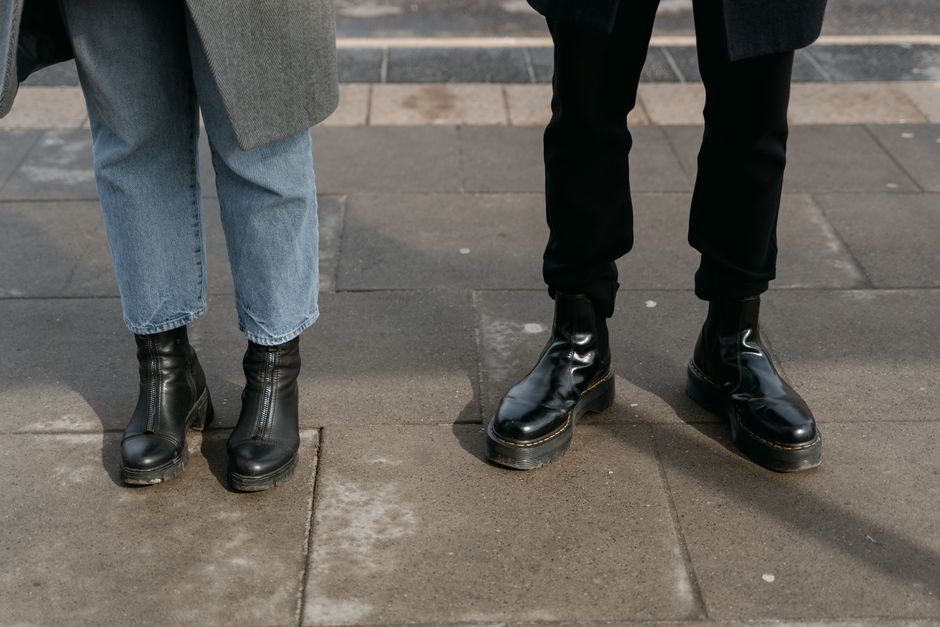
When the job site demands grit and resilience, identifying what are the best boots in day comes down to balancing protection with long-term wearability. Manual labor environments require gear that meets stringent OSHA safety standards to prevent workplace injuries, ensuring that feet are protected from falling objects, electrical hazards, and uneven terrain. While style matters—as seen in these professional boot selections—the primary focus for laborers must remain on structural integrity and risk mitigation.
Steel Toe vs. Composite Toe
Choosing between protective toe caps is the first step in assessing what are the best boots in day for high-risk environments. Both types are designed to meet rigorous ASTM International safety requirements, but they offer distinct advantages:
- Steel Toe:
- Pros: Exceptional durability and resistance to heavy punctures or crushing forces. Generally more affordable than high-tech alternatives.
- Cons: These tend to be heavier and can conduct extreme temperatures (getting very cold in winter or hot in summer).
- Composite Toe:
- Pros: Made from non-metal materials like carbon fiber, plastic, or Kevlar. They are significantly lighter, making them ideal for workers who walk long distances. They do not conduct electricity or heat, providing a more stable internal temperature.
- Cons: Typically carry a higher price point and occupy more space within the toe box due to the thickness required to meet impact standards.
Slip-Resistant Outsoles
A sturdy upper is meaningless if the worker cannot maintain traction. High-quality work boots utilize specialized slip-resistant outsoles to provide stability on oil, water, and loose debris.
- Traction Technology: The best manual labor boots use high-grade rubber compounds designed for maximum surface contact.
- Tread Patterns: Deep, multi-directional lugs allow the boot to channel away liquids, preventing the “hydroplaning” effect often found in lower-quality footwear.
- Oil Resistance: Many industrial-grade outsoles are chemically treated to ensure the rubber does not degrade when exposed to harsh lubricants or solvents, extending the lifespan of the gear.
For those navigating hazardous environments, prioritizing a boot that holds an OSHA-compliant rating is essential. According to the National Institute for Occupational Safety and Health (NIOSH), proper footwear is a critical component in reducing slips, trips, and falls—the most common causes of worker injury—making the investment in premium, safety-rated boots a necessity rather than an option.
Styling Boots for Casual Daily Outfits
Achieving a polished look while prioritizing comfort is the ultimate goal for many urban dwellers. Determining what are the best boots in day wear often comes down to finding that sweet spot between rugged functionality and modern aesthetics. When building a versatile wardrobe, selecting footwear that transitions seamlessly from a morning coffee run to an evening out is essential. For those seeking expert advice on integrating these pieces into their current rotation, refer to this comprehensive guide to stylish daily wear boots to refine their personal aesthetic.
Pairing Boots with Denim
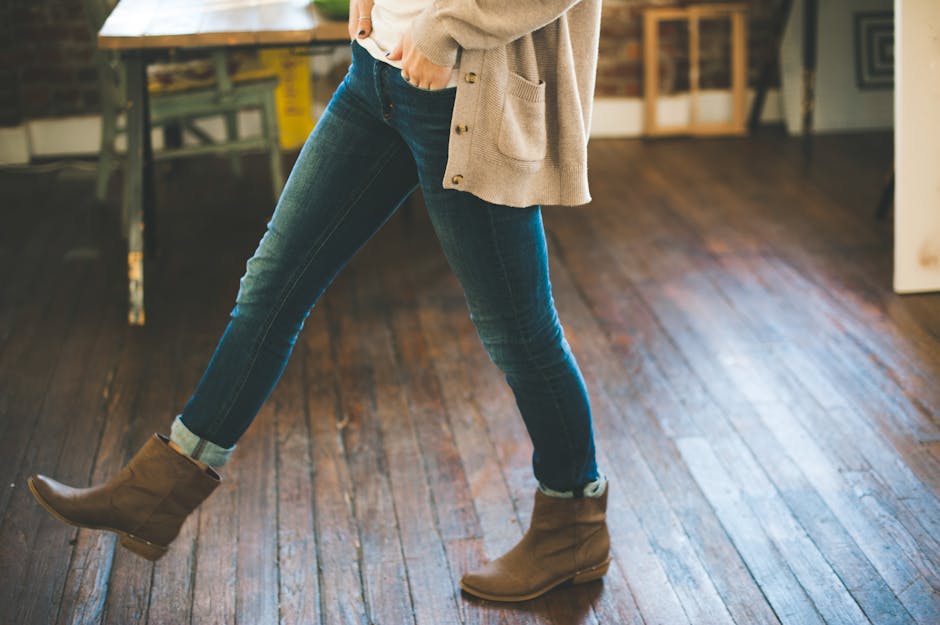
Denim remains the cornerstone of casual American style, and boots serve as the perfect anchor for these ensembles. Whether wearing raw selvedge jeans or a relaxed tapered fit, the right boot elevates the entire silhouette.
- Slim-Fit Jeans: These pair best with a sleeker profile, such as a Chelsea boot, which prevents the hem from bunching up around the ankle.
- Straight-Leg Denim: Classic leather work boots or chukkas provide a balanced, grounded look that highlights the rugged nature of the fabric.
- Cuffing Techniques: A simple one-inch cuff can showcase the quality of the boot’s leather, drawing the eye downward and creating a cleaner visual line.
According to research regarding ergonomics and footwear choices, proper fit is vital to prevent discomfort during long days, so always ensure the denim hem doesn’t restrict movement or rub against the upper collar of the boot.
The Versatility of Earth Tones
Incorporating natural, earthy color palettes into a footwear collection is a smart strategy for long-term style. Earth tones—such as mahogany, sand, olive, and charcoal—are inherently neutral and pair effortlessly with almost any color in a standard closet.
- Uniformity: Earth tones provide a cohesive look that masks dirt and scuffs better than lighter alternatives, making them practical for daily use.
- Seasonality: These shades transition perfectly from the crisp colors of autumn to the muted tones of winter and spring.
- Visual Depth: High-quality leather in shades of brown develops a rich patina over time, adding character that synthetic materials simply cannot replicate.
By focusing on these versatile colors, consumers often find they spend less time worrying about coordination and more time enjoying their day. For those interested in the science behind material durability, the National Institute of Standards and Technology provides extensive data on how various textiles and leathers respond to environmental stresses, which can help inform long-term purchasing decisions. Whether one chooses a desert boot or a classic lace-up, sticking to this color philosophy ensures the footwear remains a staple of the daily wardrobe for years to come.
Maintenance Tips to Keep Boots Lasting Longer
Investing in high-quality footwear is the first step, but ensuring they last through years of use requires a consistent care routine. Regardless of what are the best boots in day for your lifestyle, regular upkeep prevents premature wear and keeps materials supple. By following professional maintenance guidelines, owners can significantly extend the lifespan of their favorite pairs, ensuring they remain both functional and aesthetically pleasing.
Cleaning and Conditioning Rituals
A consistent cleaning cycle is essential to remove abrasive dirt and debris that can degrade leather and synthetic fibers.
- Daily Wipe-Down: Use a soft-bristled horsehair brush to remove surface dust after each wear.
- Deep Cleaning: Once a month, wipe the exterior with a damp cloth and a mild soap solution.
- Conditioning: Leather is a natural material that dries out over time. Apply a high-quality leather conditioner every 3–6 months to keep it hydrated and prevent unsightly cracking.
- Protectant Sprays: For suede or fabric options, applying a water-repellent spray can safeguard against the elements.
Proper maintenance is just as important as choosing the right stylish casual boots for your daily wardrobe. Always allow boots to air dry naturally away from direct heat sources, such as radiators, as intense heat can cause leather to shrink or warp.
Storing Your Boots Properly
How boots are stored when they aren’t on the feet plays a major role in their structural integrity and long-term shape retention.
- Use Cedar Shoe Trees: Inserting cedar shoe trees helps absorb moisture and maintains the boot’s natural shape, effectively preventing deep creases in the toe box.
- Maintain Proper Airflow: Never store boots in airtight plastic bags. Leather needs to breathe to prevent the growth of mildew and bacteria.
- Use Boot Shapers: For tall or calf-high styles, utilize boot trees or shapers to prevent the shafts from sagging and creasing.
- Optimal Environment: Keep boots in a cool, dry place. According to guidelines from the American Podiatric Medical Association, protecting footwear from extreme temperatures and damp conditions is vital for maintaining foot hygiene and material health.
By integrating these simple, expert-approved rituals into a weekly schedule, users ensure that their footwear investment continues to perform, proving that even the most durable models benefit from diligent care.
Navigating the marketplace to determine what are the best boots in day requires a clear understanding of the trade-off between upfront costs and long-term utility. While a lower price tag may seem attractive for a quick purchase, the total cost of ownership often favors higher-end materials and construction methods. For those looking to refine their aesthetic, understanding how to match high-quality footwear with daily attire is essential, as detailed in this ultimate guide to stylish casual wear boots.
Getting Value for Your Money
Consumers often search for the best affordable boots that do not compromise on basic structural integrity. True value is measured by the cost per wear rather than the initial retail price. To ensure a smart purchase, consider the following factors:
- Materials: Look for genuine leather or durable synthetic alternatives that resist scuffing.
- Construction: Prioritize options with cemented soles for budget needs, though they are harder to repair.
- Research: Consult resources like the American Podiatric Medical Association to understand how proper footwear contributes to overall skeletal health and why cheaper options might lack necessary support.
When evaluating what are the best boots in day on a budget, it is recommended to prioritize brands that offer a balance of comfort and style rather than those that prioritize trends over foot health.
When to Invest in Quality Construction
For those who rely on their footwear for heavy daily use, investing in premium construction is often the most economical choice over time. High-quality boots frequently utilize “Goodyear welt” or “Blake stitch” construction, which allows a cobbler to resole the boot, potentially adding years to its lifespan.
Key indicators that warrant a higher investment include:
- Resoleability: If the sole can be replaced, the upper leather can serve the wearer for a decade or more.
- Full-Grain Leather: This material ages gracefully, developing a unique patina that improves with time.
- Ergonomic Design: According to research published by the National Center for Biotechnology Information, properly fitted and structured footwear is critical for preventing biomechanical stress during prolonged standing or walking.
Ultimately, while the premium price tag is significant, the reduced need for frequent replacements makes these boots the superior option for long-term daily wear. Choosing a brand with a strong reputation for durability ensures that the user never has to compromise on comfort or support.

Choosing the Right Fit
Finding the perfect pair is essential when considering what are the best boots in day for your specific needs. A boot that looks aesthetically pleasing but causes foot fatigue is ultimately a poor investment. Proper fit goes beyond simple comfort; it prevents long-term orthopedic issues and ensures your footwear lasts through daily wear. To learn more about selecting the right style for your lifestyle, check out this ultimate guide to stylish casual wear boots. According to experts at the American Academy of Orthopaedic Surgeons, proper footwear support is critical for maintaining overall foot health throughout a busy day.
Measuring Your Foot at Home
Many consumers fail to account for the fact that feet change size and shape over time. Relying on an old size can lead to blisters or joint pain. Follow these steps for an accurate measurement:
- Time of Day: Measure your feet in the evening when they are at their largest due to natural swelling.
- The Paper Method: Stand on a piece of paper and trace the outline of your foot while wearing the socks you intend to use with your boots.
- Determine Length and Width: Use a ruler to measure the distance from the heel to the longest toe. Don’t forget to account for arch support requirements, which may influence whether you need a wider fit.
- Consistency: Always measure both feet, as most individuals have one foot slightly larger than the other. Always fit the boot to the larger foot.
Sizing Differences Across Brands
Shoppers often become frustrated when they realize that a size 10 in one brand fits like a size 9 in another. This variance is common in the footwear industry and is largely due to the “last”—the wooden or plastic foot-shaped mold used to construct the boot.
- Consult Size Charts: Always check the brand-specific conversion chart rather than assuming standard US sizing.
- Check Online Reviews: Look for notes indicating whether a model runs “true to size,” “large,” or “small.”
- Consider the Material: Leather boots will naturally stretch and mold to the foot over time, whereas synthetic materials often retain their original shape.
- Account for Socks: If you are shopping for winter gear, ensure you are testing the fit while wearing thicker, thermal socks to avoid an overly tight configuration.
As noted in various studies regarding biomechanics and footwear, the internal volume of the boot must accommodate the natural movement of the foot during a stride. Ensuring this volume is correct is the primary way to determine what are the best boots in day for your personal ergonomics.
Frequently Asked Questions
Navigating the world of footwear can be complex, especially when determining what are the best boots in day for varied activities and environments. Shoppers often have specific concerns regarding longevity, comfort, and seasonal appropriateness. By understanding the science behind footwear, as discussed in detail within this comprehensive guide to casual boots, users can make more informed purchasing decisions.
How do I break in new leather boots?
Breaking in leather requires patience to prevent blisters and ensure long-term comfort. Experts recommend the following steps:
- Wear them indoors: Start by wearing the boots for short periods inside the home to allow the leather to soften.
- Use thick socks: Utilizing cushioned wool socks can help stretch the material slightly and provide an extra layer of protection against friction.
- Condition the leather: Applying a quality leather conditioner makes the material more pliable. According to research from the American Podiatric Medical Association, proper footwear fit is crucial to maintaining overall foot health and preventing structural issues.
- Gradual transition: Increase wear time by an hour each day until the boots mold perfectly to the unique shape of the wearer’s feet.
Can I wear boots every single day?
Technically, one can wear boots daily, but it is not recommended for the health of the footwear or the feet.
- Moisture management: Boots need time to dry out after a full day of wear. Perspiration can accumulate inside the lining, potentially leading to odor or material breakdown.
- Rotation is key: Rotating between two pairs allows one to air out while the other is in use. This practice significantly extends the life of the materials.
- Support variability: Even if a wearer wonders what are the best boots in day for their schedule, switching between different styles helps prevent repetitive stress on the same muscles and joints.
Are insulated boots necessary for spring?
Insulated footwear is generally unnecessary and potentially uncomfortable during the spring months in most U.S. climates.
- Thermal regulation: Spring temperatures are typically too high for heavy insulation, which can cause overheating and excessive sweating.
- Breathability: During this transition season, individuals should prioritize materials that offer moisture-wicking properties to keep feet dry as the weather fluctuates.
- Regional considerations: Unless one resides in high-altitude or arctic regions where freezing temperatures persist, lightweight, uninsulated, or lightly lined boots are superior for daily comfort.
For further reading on the physiological impacts of footwear on the lower extremities, the National Institutes of Health provides extensive resources on maintaining musculoskeletal health through proper support and activity.
Conclusion: How to decide what are the best boots in day for you
Determining what are the best boots in day for an individual’s routine ultimately depends on the balance between physical demands, climate considerations, and personal style. Because footwear impacts long-term musculoskeletal health, as noted by resources like the American Podiatric Medical Association, selecting the right pair requires more than just aesthetic preference; it requires an evaluation of functional support and material longevity.
Factors to Consider Before Purchasing
To make an informed decision, users should evaluate their specific daily requirements:
- Primary Activity: Does the wearer spend their time in a corporate office, a construction site, or commuting via public transit?
- Climate & Terrain: Are waterproof features necessary for rainy city streets, or is breathability prioritized for warmer, arid environments?
- Supportive Needs: Individuals with high arches or those prone to fatigue should prioritize models with superior ergonomic foot support.
- Style Versatility: Refer to the ultimate guide to stylish casual wear boots to ensure the chosen footwear complements existing wardrobe staples.
The Final Checklist for Selection
When narrowing down the search for what are the best boots in day, consider this quick decision-making framework:
- Prioritize Quality Construction: Look for Goodyear welting or cemented construction that offers repairability, as supported by guidelines on footwear durability standards.
- Assess Material Utility: High-quality leather provides structure and protection, while high-tech synthetic fabrics offer weight reduction.
- Confirm the Fit: Never underestimate the importance of professional sizing, as brands vary significantly in their fit profiles.
- Evaluate Long-Term Value: A premium boot that lasts five years is often more cost-effective than a budget pair that requires replacement every season.
By focusing on these pillars—comfort, durability, and utility—shoppers can confidently choose the footwear that best serves their daily lifestyle. Whether one favors the rugged resilience of a work boot or the polished versatility of a Chelsea boot, the investment in quality construction will pay dividends in both comfort and style.

