
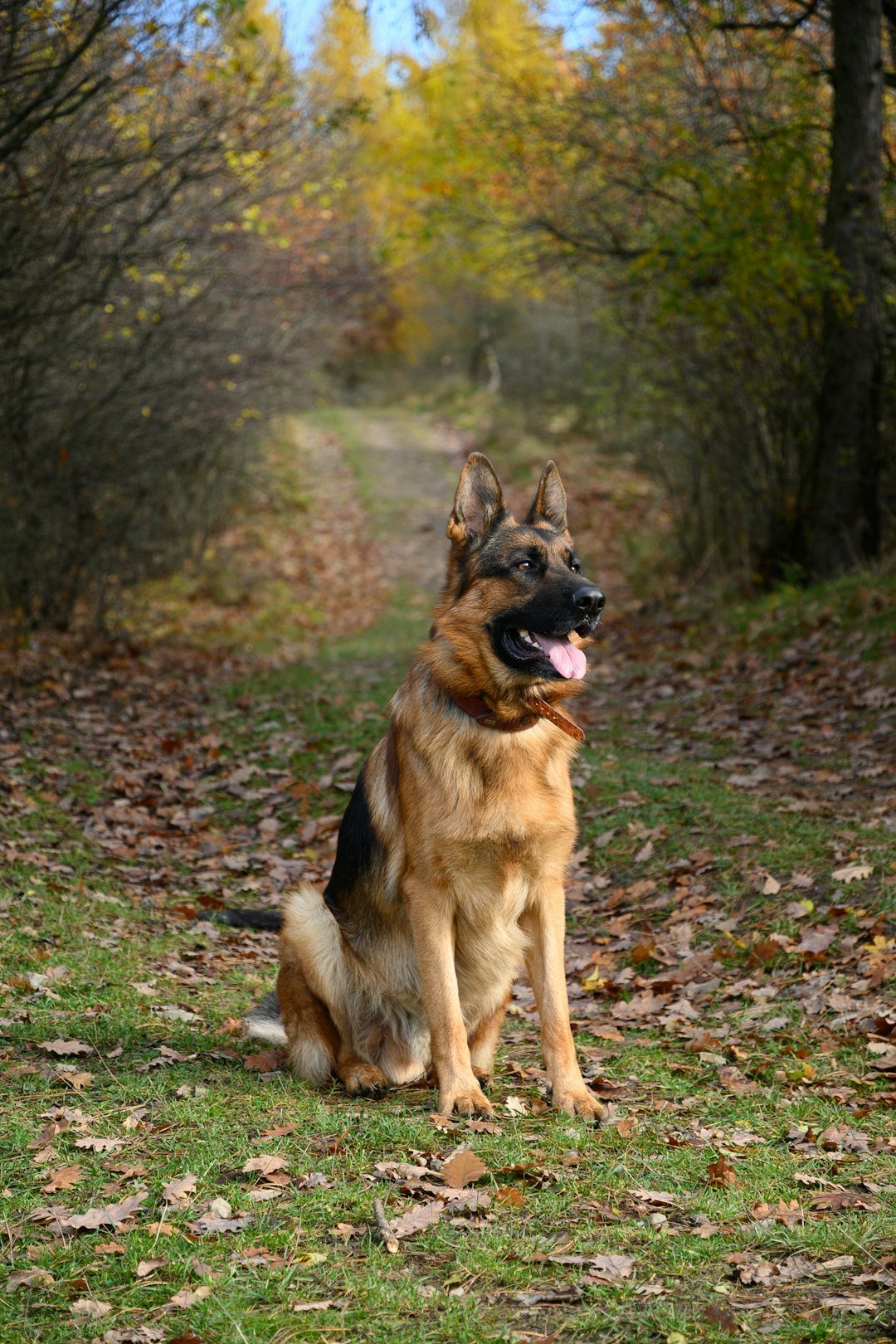
The Ultimate Guide to Owning a German Shepherd Dog

The German Shepherd Dog stands as one of the most recognizable and versatile breeds in the canine world. Renowned for their intelligence, courage, and unwavering loyalty, they have transitioned from their historical roots as diligent herders to becoming essential partners in police work, search and rescue operations, and as devoted family companions. According to the American Kennel Club, this breed is defined by a noble character and a highly developed physical agility that makes them capable of performing complex tasks with ease. Whether working alongside law enforcement or playing in a suburban backyard, the German Shepherd Dog maintains a reputation for being an all-purpose worker with a sharp, alert mind.
Physically, the breed is characterized by a sturdy, muscular frame and a thick double coat that protects them in various weather conditions. Potential owners often research specific breeding lines, frequently looking into the 4 types of German Shepherds to ensure the dog’s temperament matches their lifestyle. While many prospective owners are concerned about the initial German Shepherd puppy price, it is vital to remember that these dogs require significant investment in training, socialization, and high-quality nutrition to thrive. Prospective owners should familiarize themselves with the breed’s standards as outlined by official organizations to ensure they are sourcing a healthy, well-tempered companion. Ultimately, welcoming this breed into a home is a long-term commitment that rewards owners with unmatched devotion and a protective, spirited presence.
Understanding the Four Types and Breeding Standards
The German Shepherd Dog is one of the most recognizable and versatile breeds in the world, celebrated for its intelligence, courage, and unwavering loyalty. Because this breed has been refined over generations to serve various roles—from police work to family protection—it is essential for prospective owners to understand the subtle distinctions in temperament and physical structure. The American Kennel Club provides comprehensive breed standards that define the ideal characteristics of the breed, ensuring that the German Shepherd Dog maintains its legendary working ability and noble temperament.
The Four Types of German Shepherds: From American to European
While all members of the breed share a common ancestry, the 4 types of German Shepherds are generally categorized based on their geographic origins and breeding objectives. The American show line is often characterized by a more pronounced “sloped” back and a focus on graceful movement, whereas the European German Shepherd lines, which include West German and East German variations, are frequently bred with a straighter back and a focus on maintaining the intensity required for protection sports. According to resources on the history of the German Shepherd, these regional differences arose as breeders adapted the dogs to the specific demands of their respective environments and national training standards. Regardless of the type, owners should be prepared for the characteristic double coat German Shepherd shedding cycle, which requires consistent grooming to maintain the health of their dense fur.
Distinguishing Between Working and Show Lines
Beyond geography, a primary divide exists between “working lines” and “show lines.” Working lines are bred primarily for high-drive performance in search and rescue, police work, or Schutzhund (IGP) training. These dogs possess exceptional stamina and high energy, often requiring an experienced handler to manage their intensity. Conversely, show lines are curated for conformity to specific aesthetics, such as coat color, angulation, and structure. While show-line dogs can certainly excel in family environments, video insights from the American Kennel Club emphasize that temperament should always be the priority, regardless of whether a dog is destined for the ring or for companionship.
Budgeting for Your German Shepherd Puppy and Ownership Costs
Bringing a new canine companion home involves significant financial planning, as the initial investment is only the beginning of a long-term commitment. A typical German Shepherd puppy can vary drastically in price depending on the breeder’s reputation and the puppy’s lineage. While it is rare to find a high-quality, health-tested dog for a low price, prospective owners should be wary of any German Shepherd puppy price 1000 dollars or less, as these low prices often signal a lack of necessary genetic screenings for hip and elbow dysplasia. Beyond the initial purchase, owners must budget for high-quality nutrition, routine veterinary care, and professional training. For those interested in learning more about the dedication required, educational content on breed care serves as an excellent resource for understanding the true cost of raising a healthy, well-adjusted dog.
Final Thoughts on Welcoming a German Shepherd Dog Into Your Home
Choosing to bring a German Shepherd Dog into a household is a significant commitment that promises a lifetime of loyalty and companionship. As one of the most versatile breeds recognized by the American Kennel Club, they excel in everything from search and rescue operations to acting as devoted family guardians. Prospective owners should approach this journey with a clear understanding of the breed’s needs, temperament, and the specialized training required to help them reach their full potential. By prioritizing early socialization and consistent obedience training, families can foster a deep bond with these intelligent animals.
While many individuals are drawn to the aesthetic of a working line German Shepherd, it is essential to consider the long-term lifestyle requirements. These dogs possess high energy levels and a sharp intellect that necessitates daily physical and mental stimulation. Owners must prepare for the financial responsibilities that accompany this breed, as the total German Shepherd dog price can vary significantly based on lineage, breeder reputation, and health screenings. Prospective owners are encouraged to research the history and origins of the breed to better understand the instincts that drive their behavior.
Ultimately, a German Shepherd Dog thrives when integrated into the heart of a home. Whether they are participating in educational videos from the AKC or enjoying a quiet afternoon, their presence is profoundly impactful. Potential owners should also invest time in understanding common health concerns, such as hip dysplasia, to ensure their companion leads a comfortable life. For those seeking a deeper look into the breed’s impressive agility and obedience, professional training resources are highly recommended. With proper care, patience, and a dedicated environment, they prove to be some of the most rewarding companions a family can welcome.
