
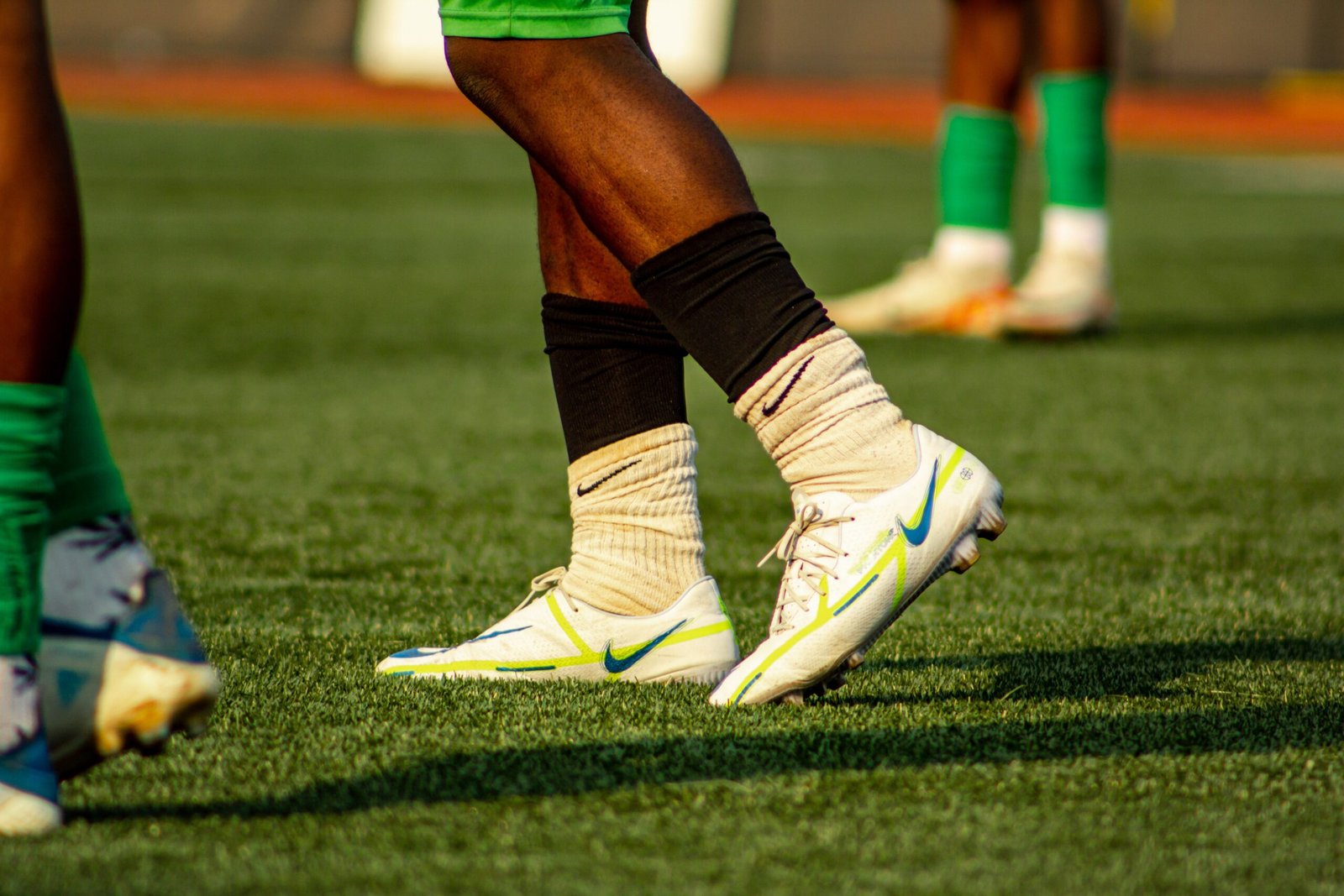
The modern midfielder is the engine of the game, tasked with covering every blade of grass, orchestrating attacks, and breaking up play. Because of this high-intensity role, players often ask, what are the best boots for midfielders to ensure they maintain peak performance across 90 minutes. Finding the right footwear is not merely about aesthetic preference; it is a technical decision that impacts agility, ball control, and overall foot health. According to research on athletic performance, specialized equipment can significantly influence player movement patterns and reduce the risk of strain.
When evaluating what are the best boots for midfielders, players should prioritize the following performance pillars:
- Touch and Control: Midfielders are on the ball more than any other position. Boots with a textured or premium material upper are essential for precise passing.
- Agility and Traction: The ability to pivot, turn, and accelerate depends on a stud configuration optimized for the pitch.
- Anatomical Support: Since midfielders cover the most distance, choosing gear that provides long-term comfort is vital to preventing fatigue.
- Weight Efficiency: Lighter boots help conserve energy, which is critical for box-to-box players in the final stages of a match.
It is helpful to consult governing body guidelines regarding safe equipment to ensure that chosen footwear aligns with league-specific regulations. Ultimately, determining what are the best boots for midfielders involves balancing personal foot shape with the tactical demands of the game. Whether a player acts as a deep-lying playmaker or an attacking spark, the right pair of boots serves as the foundation for their success on the field.
Key Takeaways
Identifying what are the best boots for midfielders requires balancing tactical versatility with physical endurance. Because midfielders cover the most ground, their footwear choices directly impact their ability to control the pace of the game. For players seeking guidance on optimal foot support, understanding the intersection of material science and ergonomics is essential for peak performance on the pitch.
To excel in the center of the park, players should consider these primary factors:
- Precision and Touch: Midfielders rely on superior ball control. Materials like premium kangaroo leather offer a soft, natural touch, while synthetic knits provide a more responsive, barefoot-like feel.
- Energy Conservation: Because of the high volume of running involved, choosing lightweight footwear is crucial to help reduce player fatigue during the final minutes of a match.
- Surface-Specific Traction: Always match the stud configuration to the pitch. Using Firm Ground (FG) boots on improper surfaces can increase the risk of injury.
- Anatomical Lockdown: A secure fit around the heel and midfoot prevents internal slipping, ensuring energy is transferred directly into every pass and sprint.
- Durability vs. Weight: High-intensity players must balance the need for a featherlight boot with the structural integrity required for long-term usage.
Scientific research on athletic footwear biomechanics suggests that proper arch support is a major contributor to long-term joint health for athletes. Ultimately, what are the best boots for midfielders depends on their individual playstyle, foot shape, and the typical condition of the fields they encounter during the season.
The Importance of Comfort and Touch
For the modern player, the search for the perfect footwear is a constant pursuit of performance excellence. When determining what are the best boots for midfielders, the dual pillars of comfort and ball control remain non-negotiable. Because midfielders cover more ground than any other position on the pitch, their choice of gear directly impacts their efficiency, movement, and creative output. Players often look for ergonomic footwear design to ensure their feet remain supported throughout high-intensity matches.
Why Midfielders Need Superior Ball Control
The engine room of a team requires players who can dictate the tempo through precise passing and close-quarters dribbling. Achieving this level of play requires boots that offer a “barefoot” sensation.
- Tactile Feedback: A thinner, high-quality upper allows the player to feel the ball more acutely, which is essential for executing quick pivots and precise through-balls.
- Surface Texture: Modern boots often incorporate textured zones that improve ball control during high-speed transitions.
- First Touch Precision: According to research on athletic performance mechanics, optimized contact surfaces reduce the margin for error when receiving difficult passes.
Maintaining consistent contact with the ball—even under pressure—is what separates elite midfielders from the rest.
Prioritizing Arch Support for All-Day Stamina
A midfielder’s role involves relentless running, shifting, and jumping, which places significant stress on the foot’s structure. Without adequate support, players risk premature fatigue or injury.
- Arch Alignment: Proper internal cushioning helps in maintaining natural alignment, which is vital for long-term foot health.
- Impact Absorption: Studies published by orthopedic research organizations highlight how consistent arch support minimizes the strain on the plantar fascia during repetitive athletic activity.
- Fatigue Mitigation: Boots with responsive midsoles provide the energy return necessary to sustain high-intensity performance from the first whistle to the 90th minute.
When evaluating what are the best boots for midfielders, one must consider that lasting stamina is just as important as technical skill. Prioritizing gear that offers superior arch support ensures the player remains a constant, reliable presence in the middle of the park.
Choosing Between Leather and Synthetic Materials
When evaluating what are the best boots for midfielders, the material composition of the upper is the most significant factor influencing both touch and performance. Players must decide whether they prioritize the adaptive nature of natural hides or the high-tech, lightweight soccer cleats offered by modern synthetic engineering. This decision often dictates how a player controls the ball during high-intensity transition phases. While elite players often consult biomechanical research regarding foot pressure points, the choice ultimately comes down to personal preference for ball feedback. Just as one might prioritize comfort for daily wear, midfielders must ensure their footwear creates a seamless connection between their foot and the ball.
Many traditionalists argue that premium kangaroo leather remains the gold standard for midfield control. Its natural elasticity allows the boot to mold perfectly to the unique shape of the player’s foot over time.
- Natural Cushioning: The soft, porous nature of leather provides a dampened touch, which is essential for receiving sharp passes under pressure.
- Adaptive Fit: It stretches to accommodate the foot, reducing the likelihood of hot spots or friction blisters during the late stages of a match.
- Ball Feedback: Leather offers a “truer” sensation of the ball, helping players calibrate their weight and direction during delicate through-balls.
However, players should note that natural leather requires consistent maintenance, as outlined in material science journals, to prevent the fibers from drying out or hardening after exposure to moisture.
The Lightweight Advantage of Modern Synthetic Knits
Modern synthetic knits have revolutionized the game, offering a precision-engineered alternative that often exceeds leather in terms of speed and weather resistance. These materials are favored by players who rely on quick, explosive movements and technical agility.
- Precision Engineering: Synthetic uppers can be mapped to include specific textures or “grip zones” that aid in ball manipulation and swerving shots.
- Minimal Water Uptake: Unlike leather, synthetic materials do not absorb water, keeping the boot lightweight even when playing in heavy rain or on dew-covered turf.
- High-Performance Lockdown: These materials are often paired with internal cages or compression socks to provide superior energy return.
Ultimately, determining what are the best boots for midfielders involves balancing the tactile, adaptive comfort of leather against the consistent, speed-oriented performance of a modern synthetic upper. Midfielders playing a high-volume, tactical role often prefer the weight savings found in synthetic knits, while those who act as the “engine room” of the team may prefer the lasting comfort and reliable touch provided by premium leather.
Stud Configurations for Every Pitch Condition
Selecting the right stud pattern is a critical step when determining what are the best boots for midfielders. Because the midfield role demands constant movement, rapid changes in direction, and high-intensity stamina, the interface between the player’s footwear and the playing surface must be flawless. Choosing an incompatible stud configuration not only hinders performance but can also lead to unwanted physical strain on the ankles and knees, as supported by biomechanical research into athletic movement.
Understanding the difference between Firm Ground (FG) and Artificial Grass (AG) is essential for any player. Manufacturers design these patterns with specific surface friction in mind to ensure safety and efficiency.
- Firm Ground (FG): These boots feature fewer, longer, and often blade-shaped studs. They are engineered to penetrate natural grass pitches that are dry or slightly damp.
- Artificial Grass (AG): These setups utilize a higher number of shorter, hollowed-out, or conical studs. This design prevents the “sticking” effect on rubber-crumb surfaces, which can lead to ligament injuries.
- Hybrid Options: Many modern players now opt for “MG” (Multi-Ground) plates, which bridge the gap for those who play on a variety of surfaces.
For those looking for versatility beyond the pitch, understanding how different structures impact foot health remains a priority, much like finding the most comfortable footwear for your everyday lifestyle.
Optimizing Traction for Quick Turns
Midfielders operate in the most congested areas of the field, making quick turns and sudden acceleration their primary tools. The traction provided by a boot’s outsole determines how efficiently a player can execute these maneuvers.
- Conical Studs: These are preferred by many playmakers because they allow for 360-degree rotation. They do not get caught in the turf, facilitating smoother pivots.
- Bladed Studs: These offer superior linear speed and “bite” into the ground, which is ideal for box-to-box midfielders who need to transition from defense to attack quickly.
- Pressure Distribution: A high-performance outsole must distribute the player’s weight evenly across the foot. The National Center for Biotechnology Information notes that proper traction mechanics are vital for minimizing the risk of lower-extremity sports injuries.
When evaluating what are the best boots for midfielders, players should always analyze their primary playing surface. Using the wrong studs can result in poor stability, ultimately limiting a midfielder’s ability to control the pace of the game effectively.

Top Brands Dominating the Midfield
When determining what are the best boots for midfielders, the market landscape is largely shaped by two industry giants. These brands have spent decades refining their technology to meet the high-demand needs of players who dictate the tempo of the game. Choosing between these market leaders often comes down to personal preference, foot shape, and the specific playstyle a midfielder brings to the pitch. Understanding how proper footwear selection impacts athletic performance is essential for any player looking to gain an edge during competitive matches.
Nike’s Phantom and Mercurial Series
Nike has carved out a massive segment of the professional market by focusing on speed, precision, and innovative material science. Their approach to footwear design often pushes the boundaries of weight reduction and energy return.
- Phantom Series: Specifically engineered for the playmaker, these boots emphasize a clean strike zone and enhanced ball grip. They are ideal for midfielders who prioritize passing accuracy and curling shots.
- Mercurial Series: Designed for the box-to-box midfielder who relies on explosive acceleration. The lightweight construction allows players to maintain high intensity throughout the full 90 minutes.
Research into biomechanical athletic performance suggests that the weight and structure of a boot can significantly influence a player’s agility during rapid change-of-direction maneuvers. For those seeking versatility, exploring different footwear comfort standards remains a useful secondary consideration for recovery days.
Adidas Predator and Copa Legacy
Adidas offers a more traditional approach that appeals to midfielders who value stability, control, and a tactile connection to the ball. Their heritage models remain staples in professional leagues across the globe.
- Predator: Famous for its “Predator” technology—rubberized strike zones that provide incredible spin and control. It remains the gold standard for midfielders who take set-pieces and control the rhythm of play.
- Copa Legacy: This line focuses on the premium feel of leather, offering a level of touch and comfort that synthetic materials struggle to replicate. It provides a more natural, foot-hugging fit that many classic players prefer.
According to studies on sports injury prevention, using the appropriate cleat configuration for specific ground conditions is as vital as the brand of the boot itself. By selecting a model that balances arch support with structural integrity, midfielders can effectively distribute pressure during high-intensity games, ensuring they have the stamina required to dominate the center of the park.
The Role of Weight in Midfield Play
When considering what are the best boots for midfielders, the weight of the footwear often sits at the top of the priority list. Because a central midfielder might cover upwards of seven to ten miles during a high-intensity match, every extra ounce matters. Minimizing mass allows players to maintain their peak speed and agility from the first whistle to the final minute. Finding the right pair involves understanding how specialized footwear impacts athletic performance and balancing it against the need for structural integrity.
How Lighter Boots Reduce Fatigue
Reduced weight is a game-changer for those who spend the entire game transitioning between defense and attack. By utilizing advanced materials, manufacturers have successfully created boots that feel like an extension of the body.
- Energy Conservation: Lighter boots decrease the amount of kinetic energy required to lift the foot during every stride.
- Late-Game Efficiency: As players tire, heavy equipment becomes a burden; lightweight boots help preserve explosive acceleration for critical late-game moments.
- Reduced Leg Strain: Studies on biomechanical efficiency in sports suggest that lightening the load on the lower extremities can help delay the onset of muscular fatigue.
- Agility: A lower profile facilitates quicker directional changes, which is vital for escaping tight marking in the middle of the park.
Much like choosing comfortable everyday footwear, selecting a lightweight cleat requires considering the total package, including the weight of the sock liner and outsole plate.
Finding the Balance Between Weight and Stability
While “lighter is faster” is a common mantra, there is a dangerous tipping point where a boot becomes too flimsy. A midfielder must execute sharp, high-torque turns, which requires a stable platform to prevent energy loss and potential injury.
- Material Integrity: Brands often use high-tenacity synthetic uppers to maintain a low weight without sacrificing the foot’s structural lockdown.
- Internal Chassis: A balanced boot includes a rigid internal chassis or “spine” that keeps the foot stable during lateral movements, even if the outer material is incredibly thin.
- The Middle Ground: Elite players often look for a “speed-control” hybrid—a boot light enough to remain responsive but structured enough to provide a secure fit during 50/50 challenges.
- Weight Distribution: Proper distribution is just as important as total weight; a boot that feels balanced in the hand often feels more natural and less clunky on the pitch.
Ultimately, when evaluating what are the best boots for midfielders, the goal is to find the lowest weight possible that still allows the athlete to plant their foot firmly and pivot without hesitation.

Anatomical Fit: Locking Down Your Foot
Achieving a precise anatomical fit is the most critical factor for players who prioritize agility and spatial awareness. Because the midfielder is the engine of the team—constantly pivoting, accelerating, and distributing the ball—any slippage within the boot can lead to wasted energy and potential injury. When considering what are the best boots for midfielders, the focus must remain on a “second-skin” sensation that translates every foot movement into immediate action on the turf. Expert biomechanical analysis of athletic footwear emphasizes that a secure fit is directly linked to enhanced agility and reduced injury risk.
The Importance of Heel Lockdown
The heel is the anchor point for the entire kinetic chain during a match. If the heel is not locked down securely, the foot will shift during rapid changes of direction, causing significant power loss and potential blistering.
- Internal Heel Counters: Modern performance boots feature rigid internal heel cups that prevent the foot from sliding backward during sprints.
- Contoured Linings: Brands often utilize suede or microfiber linings that provide extra friction against the sock, preventing vertical movement.
- Locked-in Comfort: A properly fitted heel ensures that the boot moves with the player’s anatomy, which is essential when selecting comfortable performance footwear for long-duration play.
- The “Zero-Space” Goal: The objective is to eliminate “dead space” behind the heel, ensuring that the boot reacts instantly to the player’s intentions.
Choosing the Right Width for Your Foot Shape
Midfielders often have varied foot shapes, and forcing a narrow boot onto a wide foot—or vice versa—will inevitably compromise performance. Understanding foot pressure distribution is vital for long-term comfort and foot health during the season.
- Narrow Feet: Players with lower volume, narrow feet should look for speed-oriented boots, which are generally tapered to hug the arch tightly.
- Wide Feet: Those requiring a broader forefoot should prioritize leather uppers or synthetic knits with high elasticity, as these materials accommodate natural foot expansion during high-intensity play.
- Arch Support: Consistent arch support is necessary to distribute pressure evenly; without it, players risk overuse injuries like plantar fasciitis, a common concern discussed in orthopedic research regarding sports medicine.
- Test for Width: When trying on boots, ensure there is no “overhang” of the foot beyond the outsole, as this indicates a lack of lateral stability and a need for a wider fit profile.
Durability Requirements for High-Intensity Players
Midfielders act as the engine of any soccer team, covering vast distances and engaging in constant pivots, tackles, and sprints. Because of this high-intensity demand, durability is just as vital as performance metrics when determining what are the best boots for midfielders. A boot that loses its structural integrity mid-season can lead to poor performance and increased injury risk, making it essential to prioritize materials designed to withstand the physical rigors of a full campaign.
Assessing Upper Material Longevity
The upper of a soccer boot is the primary contact point between the player and the ball, but it also takes the most physical abuse. When analyzing soccer cleat longevity, players should look for specific construction traits:
- Reinforced Stitching: High-quality boots often feature reinforced seams at high-stress zones, such as the instep and toe box, to prevent splitting during intense training sessions.
- Synthetic Guard Layers: Many modern performance boots utilize thin, protective films over the mesh or leather to prevent scuffing and moisture absorption.
- Material Resilience: While natural leather offers excellent comfort, it requires more care. Synthetic uppers often provide superior resistance to abrasion on hard surfaces.
- Structural Integrity: According to biomechanical research on athletic footwear, the internal support systems are just as important as the outer material in maintaining a boot’s shape over time.
For those looking to extend their knowledge on gear that balances structural support with day-to-day wear, exploring resources on durable footwear construction can provide valuable insight into how different materials hold up under stress.
Protecting Your Investment Through Proper Care
Even the highest-performing equipment will fail prematurely if neglected. Establishing a consistent maintenance routine is a critical component of soccer cleat maintenance that ensures a player gets the most value out of their boots:
- Post-Match Cleaning: Remove excess mud and debris immediately after play. Allowing dirt to dry can stiffen materials and cause cracking.
- Proper Drying: Never place boots in direct heat (like a radiator or dryer), as this can warp the soleplate and dry out the adhesive bonds. Air dry them in a cool, ventilated area.
- Storage: Keep cleats in a dedicated bag to avoid contact with sharp objects or heavy equipment that could deform the heel cup or upper.
- Rotation: Just like with professional athletic gear, rotating between two pairs of boots can allow materials to fully recover their shape and moisture levels, significantly extending their lifespan.
By following these guidelines, players ensure their footwear remains a reliable asset throughout the season, allowing them to focus entirely on their performance on the pitch.

Budget Considerations: Finding Value
Investing in high-performance soccer gear is a significant decision for any player. While the market is flooded with high-ticket options, determining what are the best boots for midfielders often comes down to balancing professional features with individual player needs. Savvy shoppers recognize that top-tier price tags do not always correlate with personal performance, and finding the right fit for one’s foot often outweighs the marketing hype surrounding the latest colorways. For those who prioritize long-term wear and support, understanding proper foot health and footwear selection remains a critical factor in maintaining comfort throughout a long season.
Are Elite-Tier Boots Always Worth the Price?
Elite-tier boots are designed for professional athletes who play on perfectly maintained pitches. However, for the average competitive player, these high-cost models may not always provide the expected return on investment.
- Material Fragility: Many elite boots use ultra-thin synthetics or kangaroo leather, which are designed for maximum feel but may lack the durability required for rougher, amateur-level fields.
- Diminishing Returns: Once a boot reaches a certain price point, the difference in performance is often marginal. Research from PubMed suggests that while material weight can impact metabolic efficiency, the psychological confidence provided by the gear often outweighs the minor physical advantages of top-shelf materials.
- Surface Compatibility: An elite boot designed for a soft, damp stadium pitch will deteriorate rapidly if used on abrasive, dry artificial turf.
Mid-Range Options That Deliver Pro-Level Performance
Players searching for the best value frequently find that mid-range tiers—often referred to as “Pro” or “Team” level models—offer the optimal balance of longevity and technology. These models serve as the best value soccer cleats for those who play multiple times a week.
- Durable Construction: Mid-range models often utilize slightly thicker synthetic uppers that hold up better against the wear and tear of intense midfield play.
- Strategic Feature Inclusion: Brands frequently move last season’s top-tier innovations down to the mid-range price bracket, allowing players to enjoy advanced traction and lockdown features without paying a premium for a new release.
- Cost-to-Utility Ratio: Because they are built to last, these boots often have a lower cost-per-use, making them an excellent choice for midfielders who need a reliable workhorse for training and game days.
- Accessibility: According to clinical insights on sports injury prevention, proper fit and stability are the primary factors in reducing lower limb strain, and mid-range boots often provide the same ergonomic foot-bed structure as their high-end counterparts.
By focusing on functional needs like traction and support rather than aesthetic bells and whistles, a midfielder can easily identify a pair that fits their budget while still enhancing their technical play.
Frequently Asked Questions
Navigating the market to determine what are the best boots for midfielders can be overwhelming due to the sheer volume of technology packed into modern footwear. Players often have specific inquiries regarding longevity, surface compatibility, and professional preferences. Addressing these common concerns ensures that athletes select equipment that supports their unique playing style and foot health, as noted in expert guidance on selecting proper athletic footwear.
Do professional midfielders wear different boots based on their style?
Yes, professional players frequently choose boots that complement their specific role on the pitch:
- Playmakers: These athletes often gravitate toward boots that prioritize touch and control, such as the Adidas Predator or Nike Phantom, to facilitate precise passing.
- Box-to-Box Midfielders: These players favor boots that offer a balance of comfort and durability to withstand high-intensity movement over 90 minutes.
- Wing-Backs/Wide Midfielders: They usually opt for lightweight, speed-oriented boots, similar to the Nike Mercurial, to maximize acceleration.
For those curious about how specialized fit influences movement off the pitch as well, learning about comfortable daily footwear can provide insight into the importance of ergonomics for active individuals.
How often should a midfielder replace their cleats?
While the lifespan of a boot depends on intensity and surface conditions, there are clear signs it is time for an upgrade:
- Outsole Separation: If the sole begins to peel away from the upper, it compromises stability and safety.
- Loss of Traction: When the studs are worn down significantly, the risk of slipping on the pitch increases, which can lead to injury.
- Structural Fatigue: If the upper material stretches to the point where the foot no longer feels “locked in,” the boot has lost its performance edge.
According to general orthopedic sports health guidelines, equipment should be replaced at the first sign of significant structural failure to maintain optimal biomechanical support.
Can I wear firm ground boots on artificial grass?
It is generally recommended to avoid using Firm Ground (FG) boots on artificial grass (AG) for the following reasons:
- Injury Risk: FG studs are often longer and more aggressive, which can cause them to “catch” on artificial turf, potentially leading to knee or ankle ligament strains.
- Durability: The heat generated by friction on artificial grass can melt the adhesive bonding on FG boots, leading to premature breakdown.
- Performance: AG-specific boots feature a higher density of smaller, hollow studs designed to provide better pressure distribution on hard synthetic surfaces.
When researching what are the best boots for midfielders, players should always match their stud configuration to their primary playing surface to ensure maximum safety and gear longevity.
Conclusion: Final thoughts on what are the best boots for midfielders
Selecting the right equipment is a pivotal decision for any athlete looking to dominate the center of the pitch. When determining what are the best boots for midfielders, one must look beyond aesthetics and prioritize a synergy between touch, stability, and endurance. Because the modern midfield role demands constant movement and high-intensity play, investing in footwear that minimizes athletic injury prevention is just as crucial as performance-enhancing features.
Summarizing the Midfielder’s Gear Checklist
To ensure peak performance throughout the season, players should evaluate their options based on these core pillars:
- Surface Versatility: Always match the stud configuration to the pitch to ensure optimal traction and safety. According to research on sports surface biomechanics, proper footwear-surface interaction is the primary factor in reducing joint strain.
- Material Choice: Whether opting for the supple touch of kangaroo leather or the responsive nature of modern synthetic knits, the material must align with the player’s personal preference for ball feel.
- Anatomical Lockdown: A secure heel and the correct width prevent internal foot slippage, which is essential for maintaining agility during rapid directional changes.
- Comfort Over Trendiness: While elite-tier boots offer the latest technology, they must prioritize physical comfort. For those also interested in footwear mechanics outside of sport, understanding the importance of comfort and support remains a foundational principle for any athlete.
Final Recommendations for Success
Ultimately, what are the best boots for midfielders is a subjective answer that depends on individual playstyle. However, a player should consider these final insights:
- Prioritize Maintenance: Extending the lifespan of cleats through proper cleaning and storage is essential for maintaining consistent performance levels.
- Monitor Wear and Tear: Consistent players should track the structural integrity of their outsoles, as National Institutes of Health data suggests that worn-down equipment significantly alters gait and performance mechanics.
- Balance Budget and Value: One does not always need the most expensive option to find high-performance quality; mid-range models often provide the necessary durability and touch required for competitive league play.
By focusing on these professional standards, midfielders can feel confident that their choice of footwear will support their tactical needs, enhance their ball control, and keep them playing at their highest level for the duration of the match.

