
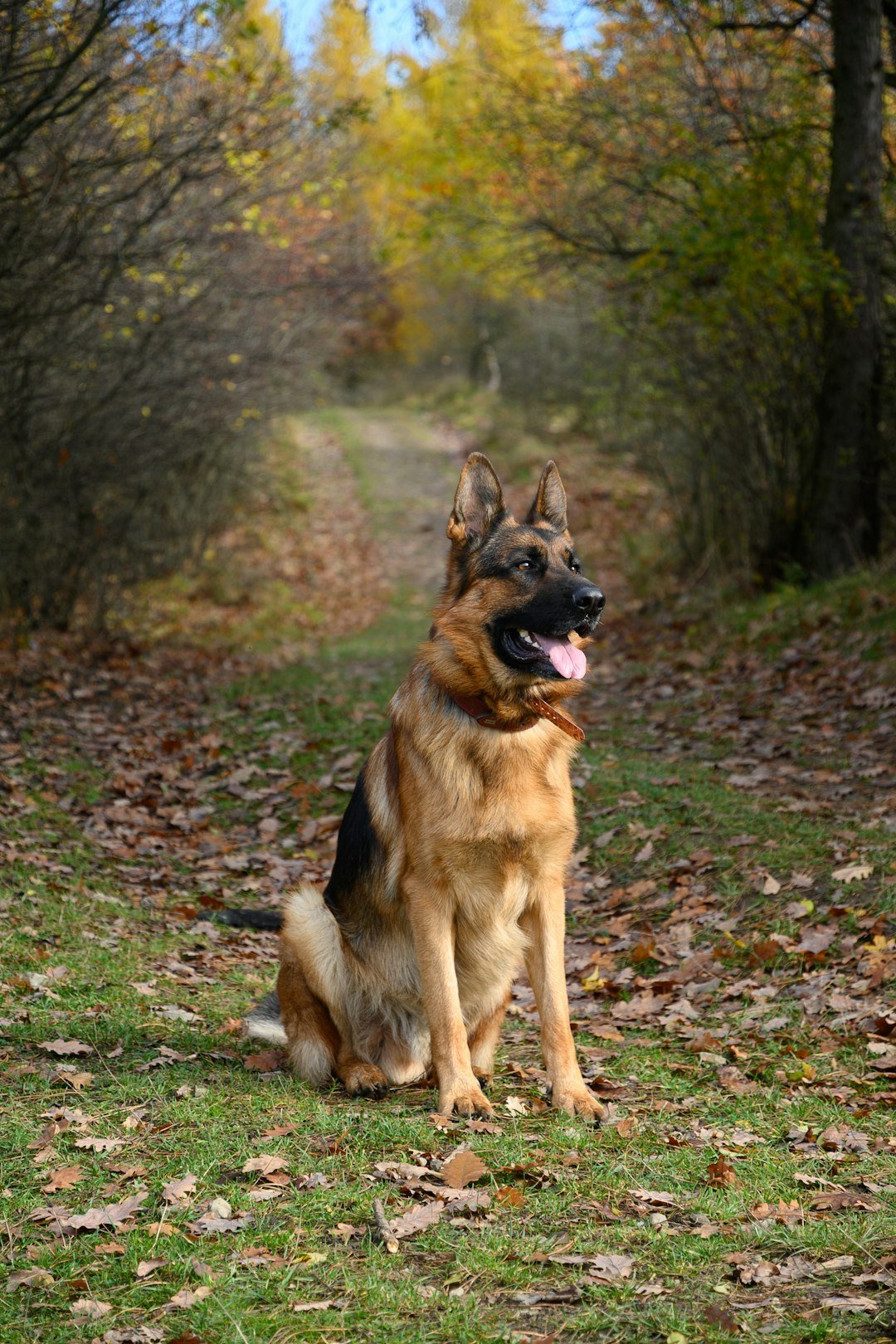

The German Shepherd Dog stands as one of the most recognizable and versatile canine companions in the world. Originally developed in Germany for herding and guarding livestock, this breed has transitioned seamlessly into roles as a police K-9, search-and-rescue partner, and a fiercely loyal family protector. Known for its noble character and high intelligence, the German Shepherd Dog is frequently celebrated for its unwavering courage and ability to learn complex commands with ease. According to the American Kennel Club, these dogs possess a distinct silhouette and an athletic build that reflects their history as highly capable workers.
Prospective owners often begin their journey by researching the German Shepherd puppy, aiming to understand the developmental needs and temperamental traits of this active breed. Because they were bred to perform specific tasks, they thrive when provided with consistent mental stimulation and physical activity. Whether they are serving in official capacities or acting as companions, their dedication to their handlers is legendary. Enthusiasts and breeders often look toward the German Shepherd Dog Club of America for breed standards and guidance on maintaining the health and lineage of the breed.
The evolution of the breed is well-documented, with a long history of serving in diverse environments that require both strength and agility. As noted in the Wikipedia entry for the German Shepherd, the breed is characterized by its alertness and confidence. While they are powerful animals, their success as a household pet often depends on early socialization and structured training. By providing the right environment, owners can ensure their companion remains a well-adjusted member of the family, embodying the classic traits that have made the German Shepherd Dog a staple in American homes for generations.
Understanding Breed Varieties and Costs
Selecting the right canine companion requires a deep understanding of the diverse lineages and financial commitments associated with the German Shepherd Dog. Potential owners often find themselves navigating a complex landscape of breeding standards, temperament traits, and regional variations that influence both the personality and the longevity of these remarkable animals. As recognized by the American Kennel Club, this breed is celebrated for its intelligence and versatility, yet prospective owners must be prepared to match the specific needs of their chosen line with their personal lifestyle and training capabilities.
The 4 Types of German Shepherds and European Lines
When researching the breed, enthusiasts frequently encounter the 4 types of German Shepherds, which are generally categorized into American show lines, West German show lines, West German working lines, and East German (DDR) working lines. American lines are often bred primarily for the iconic sloping back and fluid gait seen in competition rings, whereas European lines—often referred to as the European German Shepherd—are frequently bred with a stronger emphasis on physical structure, nerve stability, and high-drive working ability.
The German Shepherd Dog Club of America notes that distinguishing between these varieties is essential for owners who want a dog that fits their specific environment, whether that is as a high-level protection partner or a calm, loyal family guardian. Working lines, in particular, possess an intense internal drive that requires a significant outlet for physical and mental energy. Understanding the historical context and the development of these bloodlines, as outlined in historical records such as Wikipedia, provides owners with the necessary insight to select a puppy whose natural instincts align with their expectations.
German Shepherd Puppy Price and Budget Expectations
The financial journey of owning a German Shepherd Dog begins long before the animal arrives at its new home. Depending on the breeder’s reputation, the health testing performed on the sire and dam, and the pedigree of the lineage, a German Shepherd puppy price can vary significantly across the United States. While some might search for a German Shepherd puppy price 1000 or lower, responsible buyers should be cautious of such low figures, as they often fail to account for the rigorous health screenings required to mitigate common breed-specific issues like hip dysplasia.
High-quality breeders typically invest heavily in their dogs, covering costs for orthopedic screenings, DNA testing, and temperament evaluations. Beyond the initial acquisition cost, owners must budget for premium nutrition, ongoing veterinary care, and professional training. As highlighted in educational resources from the AKC, this is a large, powerful breed that thrives when provided with structured engagement. Planning for the full lifecycle cost ensures that the owner can provide the best possible care for the entire duration of the dog’s life.
Living with Your German Shepherd Dog
🛑 Generation Stopped.
